buildcostguide.site – A detailed breakdown of insulation replacement cost in the US, including attic, wall, and crawl space pricing, factors, and real-world scenarios.
A homeowner in Ohio thought their rising energy bill was just a seasonal spike. Winter had been colder than usual, so the extra $120 a month didn’t feel shocking at first. But by spring, the numbers didn’t drop. The HVAC system kept running longer. Rooms felt uneven. That’s when a contractor pointed to something most homeowners ignore until it becomes expensive: aging insulation.
Insulation replacement cost isn’t just about materials. It reflects hidden inefficiencies in your home. And depending on where the problem sits attic, walls, or crawl space the cost and complexity can vary more than most people expect.
Why Insulation Replacement Becomes Necessary
Insulation doesn’t fail overnight. It degrades slowly, often without obvious signs. Many homes in the US still rely on insulation installed decades ago. Materials settle, absorb moisture, or become less effective over time.
One common mistake is assuming insulation lasts forever. Fiberglass, for example, can technically last decades. But its performance drops if it compresses or gets damp. Spray foam holds up better, but even that can deteriorate if improperly installed.
The real issue shows up in how your home behaves. Uneven temperatures between rooms. HVAC systems running longer cycles. Higher utility bills without a clear cause. These are not just comfort issues. They signal energy loss.
Ignoring these signs often leads to higher long-term costs. Replacing insulation early can reduce monthly expenses and prevent structural issues caused by moisture buildup.
For a broader context on how insulation fits into overall home expenses, it helps to understand the bigger picture through this guide on home repair and replacement costs in the US.
Attic Insulation Replacement Cost
The attic is usually the first place contractors check. Heat rises, and poor attic insulation allows it to escape quickly. This makes your HVAC system work harder, especially during winter and summer peaks.
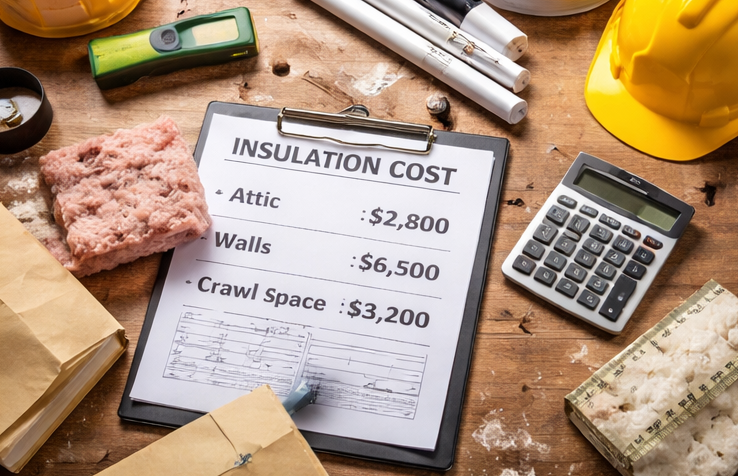
On average, attic insulation replacement cost in the US ranges from $1,500 to $6,000. The wide range comes down to material choice, attic size, and accessibility. Blown-in fiberglass tends to be on the lower end, while spray foam sits at the higher end.
A typical scenario involves removing old insulation before installing new material. This removal step can add $1 to $2 per square foot. Many homeowners overlook this cost when budgeting.
Another factor is air sealing. Replacing insulation without sealing gaps reduces effectiveness. Contractors often recommend sealing vents, cracks, and wiring gaps before adding new insulation. This can add a few hundred dollars but significantly improves performance.
However, attic insulation replacement is not always necessary. If the existing insulation is dry and evenly distributed, adding more insulation might be enough. Full replacement makes more sense when there’s contamination, mold, or severe compression.
For a detailed comparison between material types and pricing differences, this breakdown of attic insulation cost in the US offers useful insights.
Wall Insulation Replacement Cost
Wall insulation is more complicated. Unlike attics, walls are enclosed. Replacing insulation here often involves opening drywall or drilling access holes.
Costs typically range from $3,000 to $10,000 for an average home. The higher price reflects labor intensity. Contractors must carefully remove old insulation without damaging structural elements.
One common issue is outdated insulation in older homes. Many properties built before the 1980s have minimal or no wall insulation. Retrofitting these homes can significantly improve energy efficiency, but it requires careful planning.
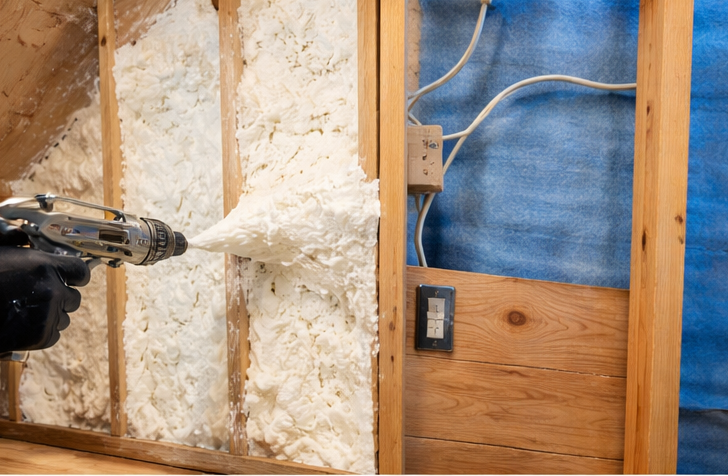
Blown-in cellulose is often used for wall insulation replacement because it can be installed through small holes. Spray foam is another option, but it’s more expensive and usually requires more invasive work.
A key misconception is that wall insulation replacement always delivers immediate savings. In reality, the return depends on your climate and existing insulation condition. Homes in colder regions tend to see faster payback.
There are also situations where wall insulation replacement isn’t practical. If your walls are already insulated and performing reasonably well, the cost may outweigh the benefits. In those cases, focusing on attic or crawl space insulation often delivers better results.
Crawl Space Insulation Replacement Cost
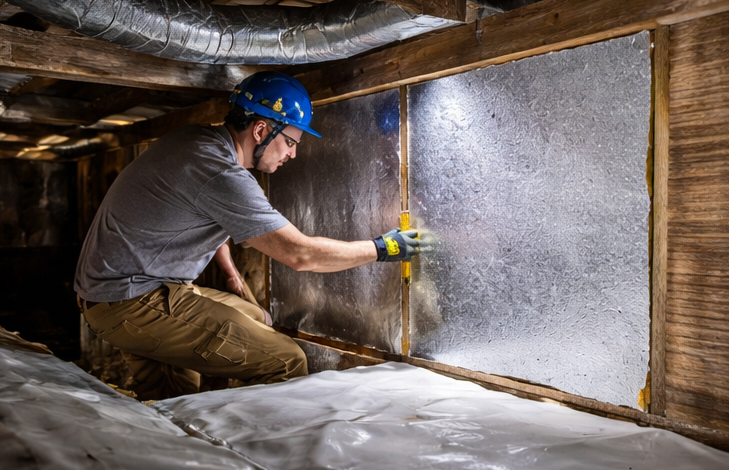
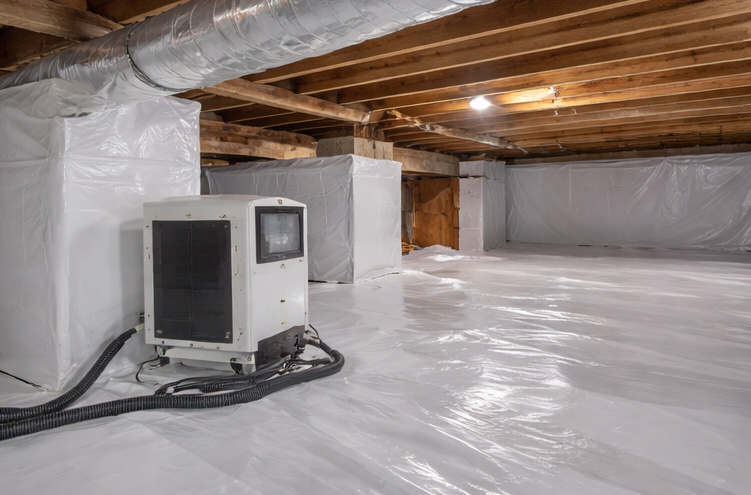
Crawl spaces are often overlooked, yet they play a critical role in overall home efficiency. Poor insulation here can lead to cold floors, moisture problems, and even structural damage over time.
Crawl space insulation replacement cost typically ranges from $1,500 to $5,500. The variation depends on moisture conditions, accessibility, and whether additional repairs are needed.
A major cost driver is moisture control. If the crawl space has humidity issues, simply replacing insulation won’t solve the problem. Contractors may recommend vapor barriers or drainage improvements, which can significantly increase total costs.
Another factor is insulation type. Rigid foam boards and spray foam are commonly used because they resist moisture better than fiberglass. While more expensive upfront, they tend to last longer in damp environments.
Homeowners often underestimate the importance of sealing the crawl space. Without proper sealing, outside air and moisture can enter freely, reducing the effectiveness of new insulation.
In many cases, insulation replacement in crawl spaces goes hand in hand with broader repairs. This detailed guide on crawl space repair cost in the US explains how insulation fits into larger structural and moisture-related work.
Key Factors That Influence Insulation Replacement Cost
Two homes of similar size can have very different insulation replacement costs. The difference comes down to several practical factors that homeowners don’t always consider upfront.
First is accessibility. Attics with tight spaces or limited entry points increase labor time. Crawl spaces with low clearance can also drive costs higher. Wall insulation is the most labor-intensive due to structural barriers.
Second is material choice. Fiberglass is cheaper but less durable in certain conditions. Spray foam offers better performance but at a higher price point. Cellulose sits somewhere in between.
Third is removal and disposal. Old insulation often needs to be removed, especially if it’s contaminated or degraded. This step adds both labor and disposal fees.
Another overlooked factor is local labor rates. Costs in urban areas tend to be higher due to demand and operating expenses. The same project can cost significantly less in rural regions.
Finally, additional repairs can change the scope. Mold remediation, pest damage, or structural issues can turn a simple insulation replacement into a larger project.
When Replacement Is Not the Best Option
Not every insulation problem requires full replacement. In some cases, adding insulation is more cost-effective than removing and replacing existing material.
For example, if your attic insulation is slightly below recommended levels but still in good condition, topping it up can improve performance without the added cost of removal.
Similarly, wall insulation replacement may not make sense if the existing insulation is intact and your energy bills are stable. The cost of opening walls can outweigh potential savings.
Another situation involves short-term homeownership. If you plan to sell within a few years, the return on investment may not justify the expense. Buyers value energy efficiency, but not always enough to offset high upfront costs.
There are also cases where insulation is not the root problem. Air leaks, outdated windows, or inefficient HVAC systems can create similar symptoms. Replacing insulation without addressing these issues may not deliver expected results.
The key is proper assessment. A professional energy audit can help identify whether insulation replacement is necessary or if other improvements would be more effective.
Insulation replacement cost is not just a number. It reflects how your home performs every day. Whether the issue sits in the attic, walls, or crawl space, the right decision depends on condition, location, and long-term goals.
Understanding these nuances helps avoid unnecessary expenses and ensures that when you do invest, it actually improves comfort and efficiency in a measurable way.