buildcostguide.site – Learn the average home maintenance cost per year in the US, including realistic budgets, hidden expenses, and practical ways homeowners can plan ahead.
It usually doesn’t start with something big. Maybe it’s a strange noise from the AC, a small leak under the sink, or a light flicker you keep ignoring. Then one day, it turns into a repair bill you didn’t see coming and suddenly, your monthly budget feels a lot tighter.
Owning a home sounds great until something breaks. One day your HVAC system is humming along just fine, and the next, it’s blowing warm air in the middle of July. That’s usually when the reality of home maintenance cost hits hard.
If you’ve ever wondered how much you should actually set aside each year, you’re not alone. Many homeowners underestimate ongoing costs, especially in the first few years after buying a house. Let’s break down what you can realistically expect and how to stay ahead of it.
What Is the Average Home Maintenance Cost Per Year
In the US, a common rule of thumb is to budget about 1% to 3% of your home’s value annually for maintenance. So if your home is worth $300,000, you’re looking at roughly $3,000 to $9,000 per year.
That range might feel wide, and honestly, it is. A newer home in good condition may stay closer to the lower end. Older homes, on the other hand, tend to creep toward the higher end or beyond.
Think about it this way. Even small fixes add up over time. Replacing a leaky faucet, patching drywall, or servicing your HVAC system might not seem like much individually. But spread those across a year, and suddenly you’re spending more than expected.
Have you ever noticed how these costs rarely show up all at once until they do
Why Costs Vary More Than You Expect
Not all homes age the same way. And your home maintenance cost depends heavily on factors that aren’t always obvious at first glance.
For example, climate plays a big role. Homes in colder states deal with freeze-thaw cycles that can crack foundations or damage roofs. Meanwhile, homes in warmer areas may struggle more with HVAC wear and tear.
The age of your home is another key factor. A 10-year-old home might need basic upkeep, while a 40-year-old house could require major system replacements sooner than you’d like.
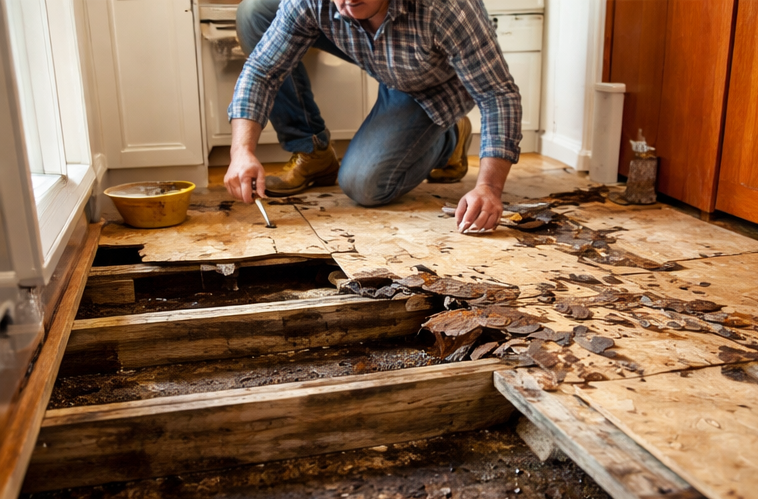
Then there’s how the home was maintained before you bought it. Some issues don’t show up during inspection but surface months later like aging wiring or hidden plumbing leaks.
If you’ve ever moved into a place thinking everything was fine, only to find unexpected repairs within the first year, you’ve experienced this firsthand.
Breaking Down Common Annual Maintenance Expenses
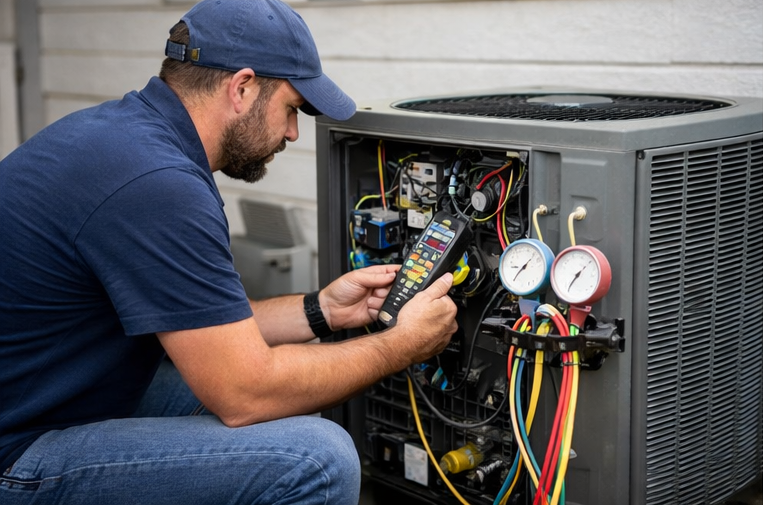
So where does the money actually go? It’s rarely one big expense it’s usually a mix of small and medium costs throughout the year.
Routine maintenance often includes HVAC servicing, gutter cleaning, lawn care, and minor plumbing fixes. These might cost a few hundred dollars here and there, but they’re essential for preventing bigger issues.
Then there are occasional repairs that pop up without warning. A water heater might fail. Your dishwasher might stop mid-cycle. Or your garage door suddenly refuses to open one morning when you’re already late.
Larger items, like roofing or HVAC systems, don’t happen every year but when they do, they’re significant. If you want a deeper breakdown of these long-term expenses, this complete home repair cost guide gives a clearer picture of what to expect over time.
And let’s be honest these things rarely happen at convenient times.
The Hidden Costs Many Homeowners Miss
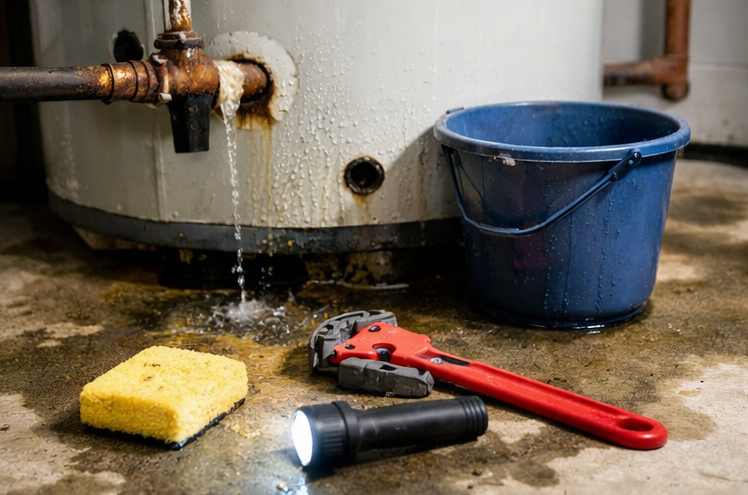
It’s easy to budget for visible repairs. But some of the most expensive issues start small and go unnoticed.
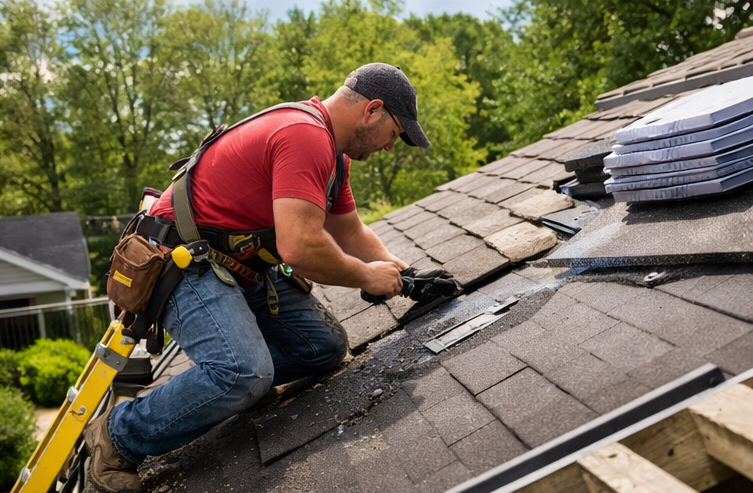
For example, a tiny roof leak might not seem urgent at first. But over time, it can lead to mold, insulation damage, and structural issues. What could have been a minor fix turns into a major expense.
If you’re curious how quickly roofing costs can escalate, this average roof replacement cost breakdown shows just how significant that expense can be.
The same goes for HVAC systems. Skipping regular maintenance might save a few hundred dollars now, but it can shorten the system’s lifespan dramatically. Eventually, you’re faced with a repair or full replacement that costs thousands.
You know that feeling when something seems fine until suddenly it isn’t That’s usually how hidden costs sneak up.
How to Plan a Realistic Home Maintenance Budget
Setting a budget isn’t just about picking a percentage it’s about understanding your home specifically.
Start by assessing the age and condition of your major systems: roof, HVAC, plumbing, and electrical. If your HVAC unit is already 12 years old, it’s smart to expect higher costs soon. This HVAC repair cost overview can help you estimate what those repairs might look like.
Next, build a monthly habit. Instead of scrambling for a $2,000 repair, set aside money consistently say $250 to $500 per month, depending on your home.
It also helps to keep a running list of minor issues. That loose cabinet hinge or small crack in the wall might seem harmless, but tackling them early prevents larger repairs later.
Have you ever delayed a small fix, only to regret it months later Most homeowners have.
Smart Ways to Reduce Your Annual Costs
While you can’t avoid maintenance entirely, you can definitely manage it smarter.
Preventive care is the biggest money-saver. Regular HVAC servicing, seasonal inspections, and basic upkeep can extend the life of your home systems significantly.
Learning a few DIY basics also goes a long way. Simple tasks like unclogging drains, replacing air filters, or sealing small gaps can save hundreds each year.
At the same time, know your limits. Trying to fix complex electrical or plumbing issues without experience can actually increase costs if something goes wrong.
There’s also value in timing. Scheduling repairs during off-peak seasons can sometimes reduce costs, especially for services like HVAC or roofing.
Over time, these small decisions add up. And instead of feeling like your house is constantly draining your wallet, you start to feel more in control of it.
Owning a home will always come with ongoing costs it’s part of the deal. But once you understand how home maintenance cost really works, it becomes far less overwhelming.
It’s not about avoiding expenses. It’s about expecting them, planning for them, and handling them before they spiral into something bigger.