buildcostguide.site – Garage roof replacement cost in the US explained with real pricing, material choices, and labor factors to help you plan your budget accurately.
A small leak in a garage roof rarely feels urgent. Until one day, you walk in after a storm and find water pooling near stored boxes or dripping onto your car’s hood. At that point, the question is no longer whether to fix it. It becomes how much the garage roof replacement cost will actually be, and why estimates vary so widely.
Most homeowners expect garage roof replacement to be cheaper than a full house roof. That’s true, but the price gap is often smaller than expected. The same materials, labor complexity, and structural considerations still apply. Understanding what drives the cost is the difference between a realistic budget and an unpleasant surprise.
What Homeowners Typically Pay for Garage Roof Replacement
Garage roof replacement cost in the US generally ranges from $1,200 to $6,500. The wide range depends on size, roofing material, and whether the garage is attached or detached.
A single-car detached garage with asphalt shingles may cost closer to the lower end. A larger two-car garage with upgraded materials like metal or architectural shingles will push the price higher. Labor costs also scale differently depending on access and complexity.
One common mistake is assuming garages are simple structures. In reality, many garages have similar roofing systems as homes. They may include decking, underlayment, flashing, and ventilation. If any of these components need replacement, the cost increases quickly.
For a broader view of how this fits into overall home expenses, see this complete guide to home repair and replacement costs, which breaks down where roofing sits in a typical maintenance budget.
How Roofing Materials Impact the Final Price
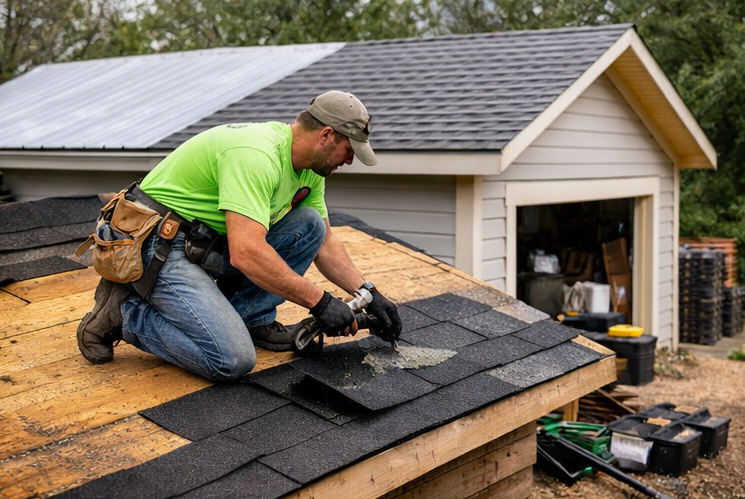
Material choice is the single biggest driver of garage roof replacement cost. Even on a small structure, the difference between materials can double the total price.
Asphalt shingles remain the most common option. They are affordable, easy to install, and widely available. Most garage projects using asphalt fall between $3 to $5 per square foot installed. This makes them the default choice for homeowners focused on cost efficiency.
Metal roofing is gaining popularity, especially for detached garages. It costs more upfront, typically $7 to $12 per square foot, but lasts significantly longer. In climates with heavy rain or snow, this durability becomes a practical advantage rather than a luxury.
Wood shakes and slate are rarely used on garages unless the structure matches a high-end home. These materials can look great but often don’t make financial sense for a standalone garage.
A common misconception is that cheaper materials always save money. In reality, lower-cost shingles may need replacement sooner, especially if the garage lacks proper ventilation. Over time, that can lead to higher total spending.
Labor Costs Are Not Always Proportional to Size
Many homeowners expect labor costs to scale down with the size of the garage. That’s not always how roofing crews price their work.
Roofing contractors typically have a minimum project cost. Even a small garage requires setup time, equipment, and a full crew. As a result, labor might account for 50 to 70 percent of the total project cost.
For example, replacing a small garage roof might still require removing old shingles, inspecting the decking, installing underlayment, and sealing edges. These steps are similar to a full house roof, just on a smaller scale.
Access also plays a role. A detached garage with clear surroundings is easier and cheaper to work on. An attached garage with tight spacing or complex rooflines increases labor time.
Weather conditions can add another layer. In colder states, roofing seasons are shorter, which can drive up labor rates during peak demand.
Structural Issues That Quietly Increase Costs
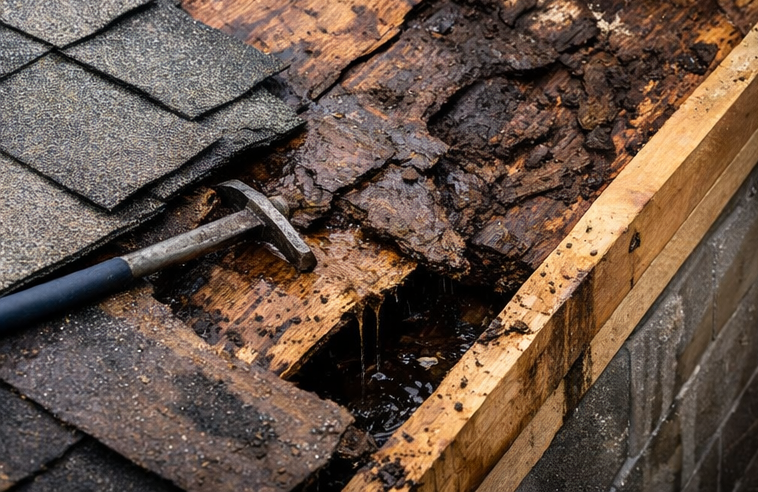
A straightforward roof replacement becomes expensive when hidden structural issues appear. This is one of the most underestimated aspects of garage roof replacement cost.
Roof decking is a common problem. If moisture has been present for a while, plywood or OSB boards underneath the shingles may be rotted. Replacing decking adds both material and labor costs.
Another issue is improper drainage. Many garages were built with minimal slope or outdated designs. If water pools on the roof, contractors may recommend structural adjustments. This can significantly increase the project scope.
Ventilation is often overlooked in garages. Poor airflow traps heat and moisture, which shortens the lifespan of roofing materials. Adding vents during replacement is a smart upgrade, but it adds cost.
These hidden factors are why two garages of similar size can have very different price estimates. A visual inspection rarely tells the full story.
When Garage Roof Replacement Is Not the Best Option
Replacing the entire roof is not always necessary. In some cases, targeted repairs make more sense financially.
If damage is limited to a small section, patching or partial replacement may extend the roof’s life. This is especially true for newer roofs with isolated issues. However, patching older roofs can create uneven wear and aesthetic mismatches.
Another situation involves detached garages used mainly for storage. Some homeowners opt for lower-cost materials or temporary fixes instead of full replacement. This can be reasonable depending on usage.
That said, delaying replacement too long often leads to higher costs. Water damage can spread to walls, stored items, and even the foundation. What starts as a roofing issue can become a broader structural problem.
Understanding when to repair versus replace requires a realistic assessment of the roof’s age and condition. It’s not just about saving money today, but avoiding larger expenses later.
Related Exterior Costs That Often Get Overlooked
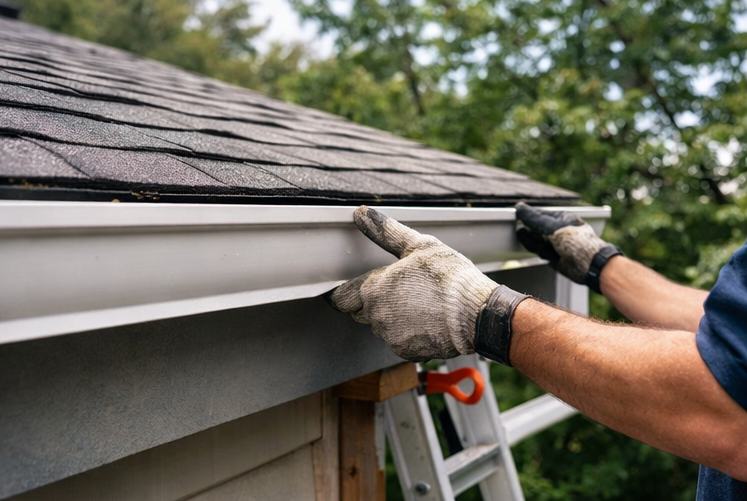
Garage roof replacement rarely happens in isolation. Other exterior components may need attention at the same time, which affects the overall budget.
Gutters are a prime example. If your garage has gutters, they may need replacement or adjustment when the new roof is installed. Ignoring them can lead to poor drainage and future water damage. This guide to gutter replacement cost explains how material choices can impact pricing.
Another factor is how the garage roof connects to the main house. For attached garages, roofing work may affect adjacent sections of the home’s roof. In some cases, contractors recommend replacing both areas to ensure consistency and prevent leaks.
If you’re comparing costs, it helps to understand how garage roofing fits into the broader market. This breakdown of roof replacement cost provides context on pricing trends and key variables.
Homeowners often underestimate how these related elements add up. A project that starts as a simple garage roof replacement can expand into a more comprehensive exterior upgrade.
A garage roof might seem like a minor part of your property, but the costs and decisions involved are anything but minor. The materials you choose, the condition of the structure, and the quality of installation all shape the final outcome. What looks like a small project on paper can quickly become a meaningful investment once the details come into focus.