buildcostguide.site -Window Replacement Cost in the U.S. varies by frame material and glass type, with pricing influenced by labor, energy efficiency, and regional factors.
Replacing residential windows is typically driven by performance concerns rather than appearance alone. Drafts, rising utility bills, moisture between panes, or visible frame deterioration often prompt homeowners to request estimates. At that stage, pricing becomes the central issue. While total project costs depend on labor rates and home size, frame material and glass configuration are usually the largest cost drivers.
A detailed look at how these components influence Window Replacement Cost provides clearer expectations before reviewing contractor proposals.
How Frame Material Shapes Overall Pricing
Window frames determine structural strength, insulation support, maintenance requirements, and durability. Material selection affects both upfront expense and long-term value.
Vinyl Frames
Vinyl remains one of the most widely installed window materials in the United States. Installed costs commonly range from approximately $300 to $800 per window, depending on size and design.
The material resists moisture, does not require painting, and offers solid insulation when paired with insulated glass units. Manufacturing efficiencies also keep production costs relatively moderate. However, color limitations and structural flexibility in larger openings may be considerations.
For homeowners prioritizing controlled budgets and reasonable energy performance, vinyl often represents the lower end of Window Replacement Cost ranges.
Wood Frames
Wood frames typically fall between $800 and $1,500 per installed window, sometimes higher in custom configurations. The added expense reflects material cost, finishing requirements, and ongoing maintenance.
Wood provides strong natural insulation and architectural compatibility in traditional homes. Historic districts frequently require wood to preserve design continuity. However, exposure to humidity and temperature variation increases maintenance obligations over time.
Fiberglass Frames
Fiberglass windows generally range from $900 to $1,800 installed. The material is stronger than vinyl and more dimensionally stable in extreme temperature swings.
Because fiberglass expands and contracts at rates similar to glass, seal longevity tends to be reliable. In regions with significant seasonal variation, this structural consistency can reduce long-term performance issues.
The higher upfront investment often appeals to homeowners planning extended occupancy.
Aluminum Frames
Aluminum windows commonly range from $500 to $1,200 installed. They are structurally durable and frequently used in contemporary or multi-unit properties.
Without thermal breaks, aluminum conducts heat more readily than vinyl or fiberglass. For colder climates, upgraded thermally broken aluminum frames may be necessary to meet efficiency expectations, increasing cost.
Glass Type and Its Influence on Cost
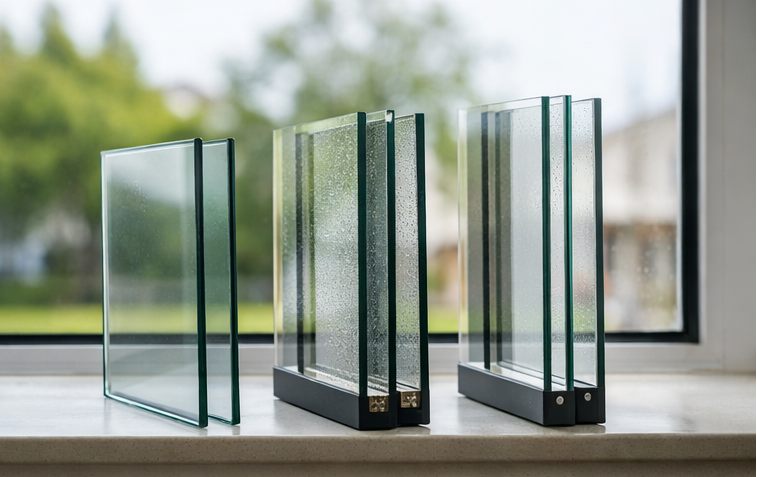
Glass configuration significantly affects insulation performance, building code compliance, and total pricing.
Single-Pane Units
Single-pane windows are largely limited to older homes and detached structures. They offer minimal insulation and are rarely installed in modern residential construction. Replacement with comparable single-pane glass is uncommon except in restoration contexts.
Double-Pane Insulated Glass
Double-pane windows are the standard in most U.S. residential installations. They consist of two panes separated by a sealed air or argon-filled space.
Installed costs typically range from $400 to $1,200 depending on frame selection. The improved insulation reduces heating and cooling loads, making double-pane units a practical baseline for most projects.
Triple-Pane Glass
Triple-pane systems include three layers of glass with two insulating cavities. Installed costs commonly fall between $800 and $2,000 per unit.
These configurations are more common in colder northern climates, where heating demand justifies enhanced insulation. In moderate regions, the incremental energy savings may not offset the additional cost as quickly.
Low-E Coatings and Gas Fills
Low-emissivity coatings reduce ultraviolet transfer and heat exchange. Argon or krypton gas fills improve thermal resistance within insulated glass units.
Such enhancements may add $50 to $300 per window but can improve long-term efficiency, especially in regions with extreme temperatures.
Combined Frame and Glass Cost Scenarios
Window Replacement Cost varies substantially depending on the combination selected. For example:
Vinyl frame + double-pane glass: approximately $400–$900 installed
Fiberglass frame + double-pane glass: roughly $1,000–$1,600
Wood frame + triple-pane glass: frequently $1,800–$2,500 or more
In a home with 15 windows, total project costs may range from $6,000 at the lower end to $30,000 or higher for premium materials.
Regional labor rates further influence totals. Metropolitan areas such as New York, Chicago, and Los Angeles typically carry higher installation costs compared to smaller markets.
Homeowners evaluating broader renovation budgets often compare window pricing with roofing, siding, or HVAC projects through broader U.S. home repair and replacement cost comparisons, which help place window expenses in context within an overall property investment strategy.
Regional Climate and Building Code Considerations
Climate zones and local regulations influence which window configurations are appropriate.
Northern States
Cold-weather regions often prioritize low U-factor ratings to reduce heat loss. Triple-pane systems and advanced Low-E coatings are more common in states with extended heating seasons.
Energy performance standards may shape product selection and influence final Window Replacement Cost.
Southern and Coastal States
In warmer climates, Solar Heat Gain Coefficient ratings become more relevant. Impact-resistant windows may be required in hurricane-prone regions such as parts of Florida or coastal Texas.
Impact-rated glass increases cost due to reinforced frames and laminated glass construction.
Western States and Fire Zones
Certain western regions require tempered glass in specific applications. In wildfire-prone areas, building codes may encourage fire-resistant window assemblies, which can elevate pricing.
Installation Method and Labor Variables
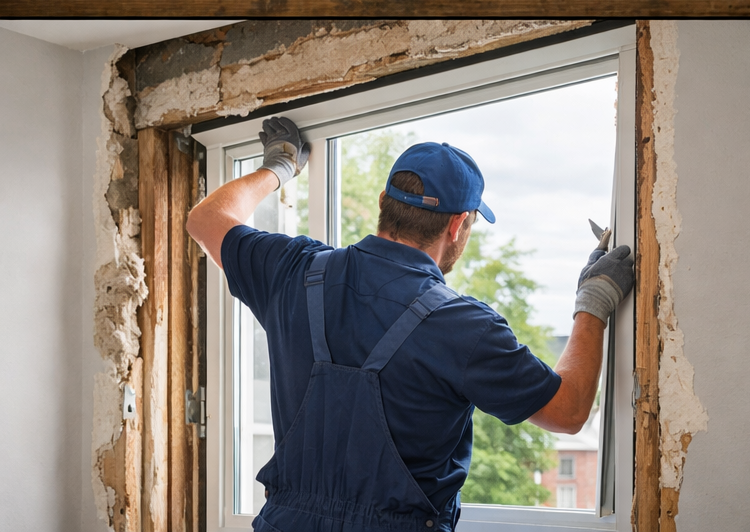
Material pricing represents only part of the equation. Installation complexity plays a significant role.
Retrofit (Insert) Replacement
Retrofit installation places new windows into existing frames. This approach is generally less invasive and more cost-controlled.
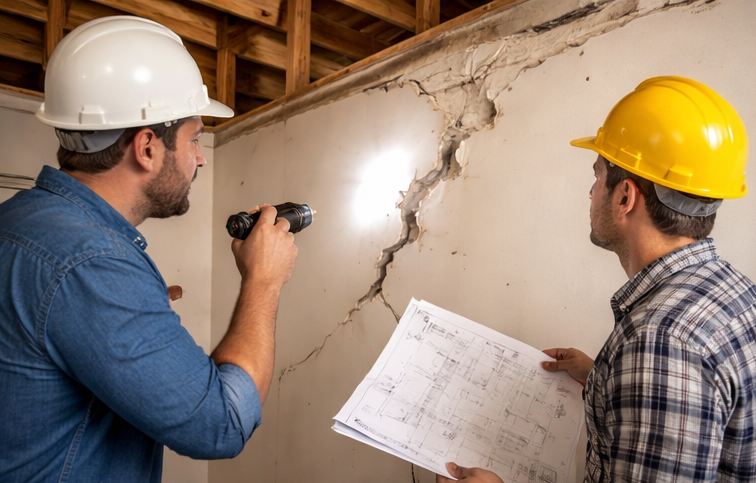
However, it relies on the structural integrity of existing frames. If hidden deterioration is present, additional repairs may become necessary.
Full-Frame Replacement
Full-frame replacement removes the entire existing unit down to the rough opening. It allows inspection of insulation and framing conditions but increases labor time.
This method can add $150 to $400 per window in labor compared to insert replacements.
Unexpected structural repairs, such as rot remediation or flashing upgrades, can further increase total project expenses. Including a contingency budget is common in larger replacement projects.
Long-Term Financial Considerations
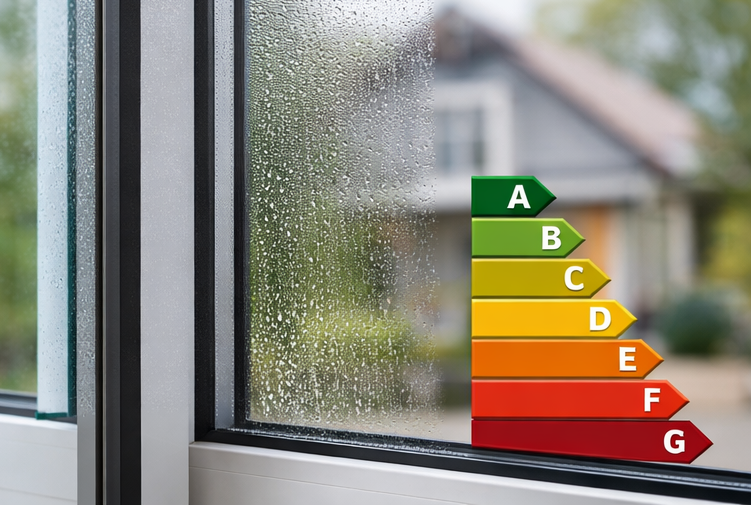
Upfront pricing is only one component of decision-making. Energy-efficient windows may reduce heating and cooling costs, though payback periods vary by climate and utility rates.
Durability also affects lifecycle cost. Fiberglass and high-quality vinyl typically require less maintenance than wood. However, wood may enhance resale appeal in certain architectural contexts.
Return on investment is influenced by local housing markets, energy savings, and material longevity. Evaluating performance ratings and warranty coverage alongside initial price offers a more complete financial picture.
Selecting an Appropriate Cost Level
Choosing the right window configuration depends on multiple factors:
Budget limitations
Climate exposure
Home design consistency
Expected length of homeownership
Maintenance tolerance
A rental property may prioritize cost efficiency, while a long-term primary residence in a colder climate may justify higher-performance materials.
Window Replacement Cost spans a broad range because each property presents distinct structural conditions, regulatory requirements, and performance goals. Understanding how frame material and glass type influence pricing allows homeowners to interpret contractor bids more accurately and align selections with both immediate budgets and long-term property plans.