You replace the HVAC filter, seal a few windows, and expect the energy bill to finally calm down. Then winter comes and the house still feels cold near the hallway walls. That’s usually the moment people realize the problem was never the thermostat.
Home insulation sounds simple until you start getting quotes. One contractor says $2,500. Another says $9,000 for full efficiency optimization. The confusing part is both can technically be correct.
The real challenge with insulation upgrade cost is that most homeowners only notice the weak spots after living with them for a while. A room that heats unevenly. Floors that feel colder at night. AC systems running longer even after maintenance. Small things at first, but they slowly turn into expensive habits.
Why Insulation Upgrade Cost Varies More Than Most People Expect
A lot of homeowners search for a flat number, but insulation pricing rarely works like that. Two houses with the same square footage can end up with totally different project costs.
The biggest factor is usually access.
Upgrading attic insulation is often cheaper because crews can work fast. Wall insulation is where costs climb. Older homes especially can become labor-heavy because contractors may need to drill access holes or remove sections of drywall.
Material choice also changes everything.
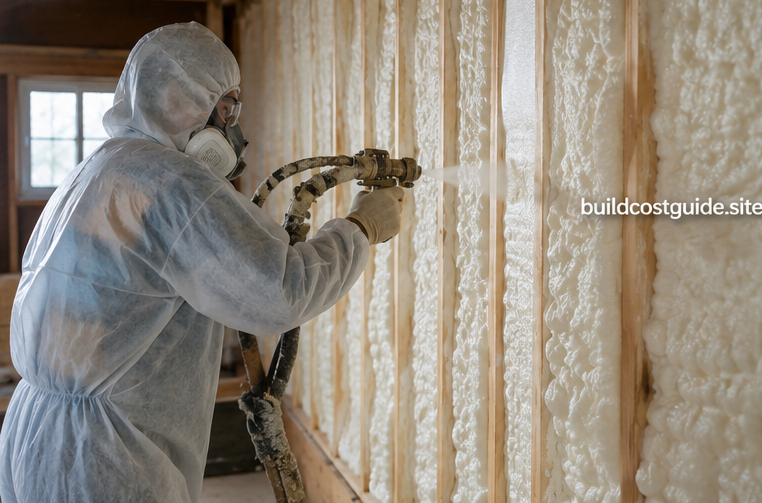
Fiberglass batts are usually the cheapest option. Spray foam costs more upfront but seals air leaks better. Blown-in cellulose sits somewhere in the middle and is common for attic retrofits.
Typical insulation upgrade cost ranges in the US:
- Attic insulation: $1,500–$6,000
- Wall insulation retrofit: $3,000–$10,000
- Crawl space insulation: $1,500–$5,000
- Whole-home spray foam projects: $10,000+
What surprises many people is how much labor affects the final bill. A simple attic with easy access can take hours. A cramped crawl space can turn into a full-day job with higher crew costs.
And older homes often hide problems behind the walls. Small moisture damage or old wiring can suddenly expand the project budget fast.
The Cheapest Insulation Option Isn’t Always the Cheapest Long Term
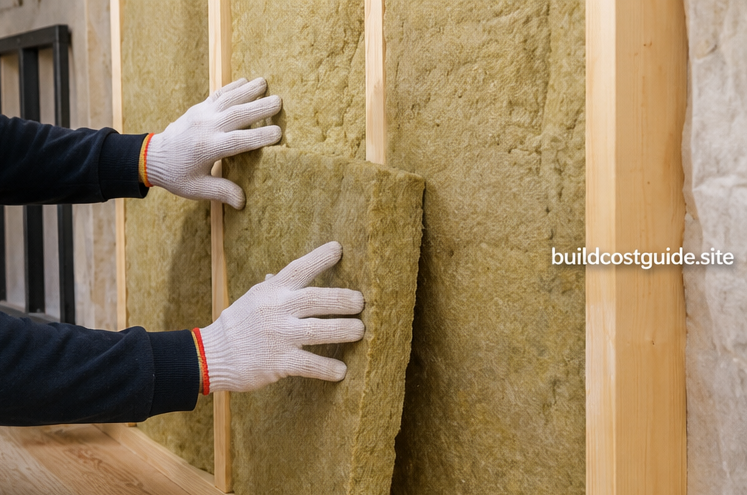
Fiberglass still dominates because it’s affordable and easy to install. On paper, it looks like the obvious choice.
But insulation performance changes after real-world use.
One issue many homeowners notice after a few years is settling. Lower-cost materials sometimes shift or compress, especially in older attics with uneven airflow. The insulation technically remains there, but the thermal performance drops slowly over time.
Spray foam avoids many of those gaps because it expands into cracks and corners. That’s why homes with spray foam often feel more consistent room to room.
Still, spray foam isn’t perfect for every house.
Some older homes need better ventilation before foam installation. Without proper airflow planning, moisture issues can appear later. That part gets skipped in a lot of marketing discussions because maximum energy efficiency sounds more attractive than talking about ventilation balance.
Blown-in cellulose works well in many retrofit situations because it fills awkward spaces better than batt insulation. It also tends to reduce sound transfer more effectively, which homeowners sometimes appreciate even more than the energy savings.
The interesting part is that comfort improvements often matter more than utility savings. People expect lower bills. What they usually notice first is that the house finally feels stable.
Hidden Costs That Quietly Increase Insulation Upgrade Cost
This is where many budgets fall apart.
The insulation itself may only be part of the project. Prep work adds cost quickly, especially in older US homes.
Common hidden expenses include:
- Old insulation removal
- Mold remediation
- Air sealing
- Pest cleanup
- Electrical updates
- Ventilation corrections
Old insulation removal alone can surprise people. If previous insulation has moisture damage or rodent contamination, contractors usually recommend full removal before adding new material.
That cleanup process is messy and labor intensive.
Air sealing is another overlooked detail. A lot of heat loss comes from tiny leaks around vents, recessed lights, and attic openings. Simply piling new insulation on top without sealing leaks first sometimes produces disappointing results.
That’s why some homeowners spend thousands and still complain about drafts afterward.
Many contractors now bundle insulation with air sealing because the combined performance is much better. It increases the project price initially, but usually improves overall efficiency more noticeably.
If you’re comparing broader repair expenses around the house, this complete US home repair pricing guide helps put insulation projects into perspective alongside roofing, HVAC, and structural upgrades.
Energy Savings Usually Happen Slower Than Advertisements Suggest
This is probably the biggest expectation gap.
A lot of marketing makes insulation sound like an instant utility bill miracle. Real life is slower.
Yes, upgraded insulation helps reduce heating and cooling costs. But savings depend heavily on climate, home condition, and energy habits.
A poorly insulated house in Minnesota will likely see stronger savings than a newer home in a mild climate. The same insulation package produces very different results depending on weather exposure and HVAC efficiency.
One thing homeowners rarely consider is behavior.
If someone upgrades insulation and suddenly keeps the house warmer in winter because it feels more comfortable, the utility savings may shrink. Comfort increases, but bills don’t drop as dramatically as expected.
That doesn’t mean the upgrade failed.
In many cases, insulation improves consistency rather than creating huge cost reductions. Rooms stay usable longer during hot afternoons. HVAC systems cycle less aggressively. Temperature swings become less annoying.
Those small changes matter more over time than flashy save 50% instantly claims.
Another overlooked factor is seasonal timing. Contractors tend to get busier before peak summer and winter months. Pricing sometimes increases during those rush periods because demand spikes fast.
Homeowners who schedule insulation work during slower seasons occasionally get better labor rates and faster project timelines.
DIY Insulation Projects Often Look Easier Online Than They Actually Are
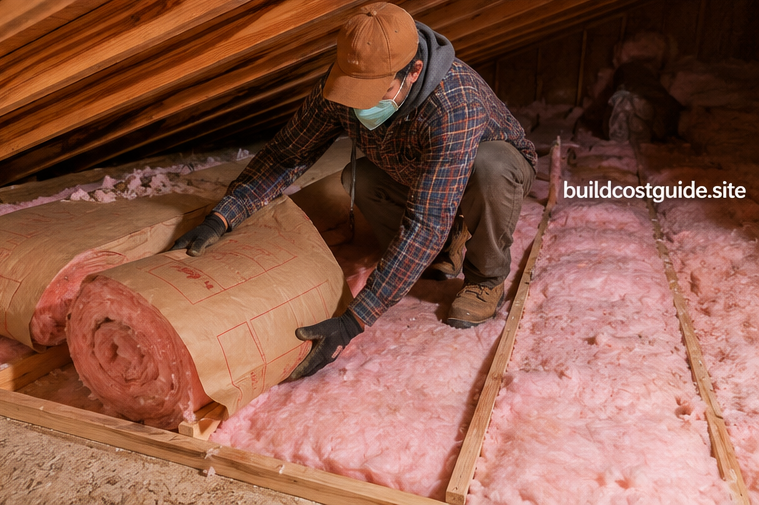
Videos make attic insulation upgrades seem simple. Roll out material, staple a few sections, done.
Reality feels different after two hours inside a hot attic.
DIY projects can absolutely reduce insulation upgrade cost, but only when the homeowner understands where efficiency problems actually exist.
One common mistake is adding more insulation without addressing airflow. Attics need balanced ventilation. Blocking soffit vents accidentally can create moisture buildup later.
Another issue is uneven coverage.
Small gaps around attic edges or recessed lighting fixtures can reduce performance more than people expect. Heat escapes through surprisingly tiny openings.
Spray foam DIY kits are especially risky for beginners. Temperature control during application matters a lot. Poor mixing or uneven spraying can reduce effectiveness and create messy repairs later.
Protective equipment also gets underestimated.
Fiberglass particles, dust, and confined attic spaces become exhausting fast. Many homeowners start enthusiastically, then realize halfway through why professional crews charge what they charge.
For smaller projects like adding attic batts in accessible areas, DIY can make sense. Full-house retrofits usually become more complicated than expected once hidden issues appear.
How to Know if an Insulation Upgrade Is Actually Worth the Cost
Not every house needs a massive insulation overhaul.
Sometimes the biggest efficiency problem is air leakage, not insulation thickness. Other times the HVAC system itself causes the discomfort people blame on insulation.
The smartest first step is usually an energy audit.
Thermal imaging and blower door tests reveal where the home is actually losing conditioned air. That prevents homeowners from overspending on unnecessary upgrades.
Certain signs usually point toward insulation problems:
- Rooms consistently hotter or colder
- High utility bills despite HVAC maintenance
- Drafty walls during winter
- Uneven second-floor temperatures
- HVAC systems running constantly
But there’s also a point where insulation upgrades produce diminishing returns.
Going from very poor insulation to moderate insulation often creates noticeable improvement. Jumping from good insulation to ultra-premium insulation may not feel dramatically different in daily life.
That’s where realistic expectations matter.
Many homeowners feel happiest after solving the annoying comfort issues rather than chasing maximum efficiency ratings. A quieter bedroom. Less temperature fluctuation upstairs. Floors that stop feeling icy in the morning.
Those quality-of-life improvements are harder to advertise, but they’re usually what people remember most after the project is done.
And honestly, that’s why insulation upgrades keep growing in popularity even when the upfront cost feels uncomfortable. Once a house consistently feels easier to live in, people rarely want to go back.