buildcostguide.site – Learn the real home security system cost in the US, including wired vs wireless installation, pricing factors, and how to choose the right setup.
You finally decide to take home security seriously after a package goes missing or a neighbor mentions a break-in down the street. Then reality hits you start looking up the home security system cost, and suddenly the numbers are all over the place.
Some quotes feel surprisingly affordable, while others look like a full home renovation budget. So what’s actually driving the cost? And more importantly, should you go wired or wireless
Let’s break it down in a way that actually makes sense for real homes, real budgets, and real day-to-day use.
What Drives Home Security System Cost in the US
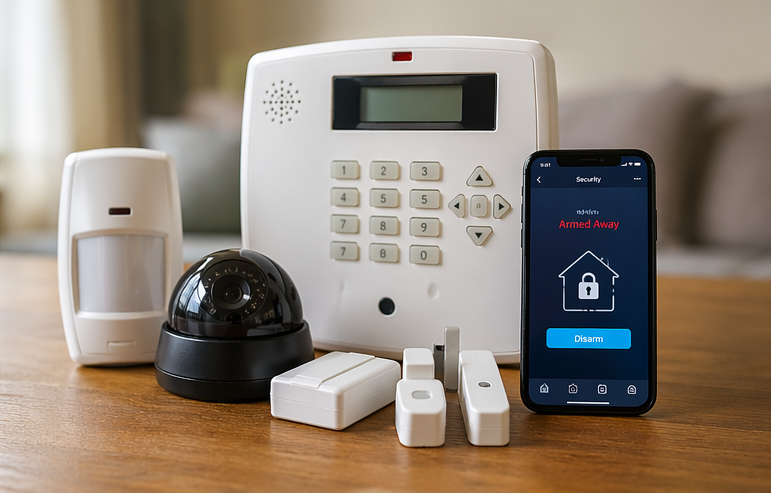
At first glance, it might seem like you’re just paying for cameras and sensors. But in reality, the total cost is shaped by a mix of equipment, labor, and how your home is set up.
A basic wireless system for a small home can start around $200 to $600 if you install it yourself. On the other hand, a professionally installed wired system can easily climb to $2,000 or more. That gap can feel huge but it’s not random.
Think about your home layout. A single-story house with easy access points is a lot simpler to secure than a multi-level home with a basement, garage, and backyard entry. More doors and windows mean more sensors, and more wiring if you go that route.
Have you ever noticed how quickly just one more camera adds up It’s a common scenario. You start with the front door, then realize you want coverage in the backyard, maybe the garage too. Suddenly your budget shifts without you even noticing.
Wired Security Systems Higher Upfront, Long-Term Stability
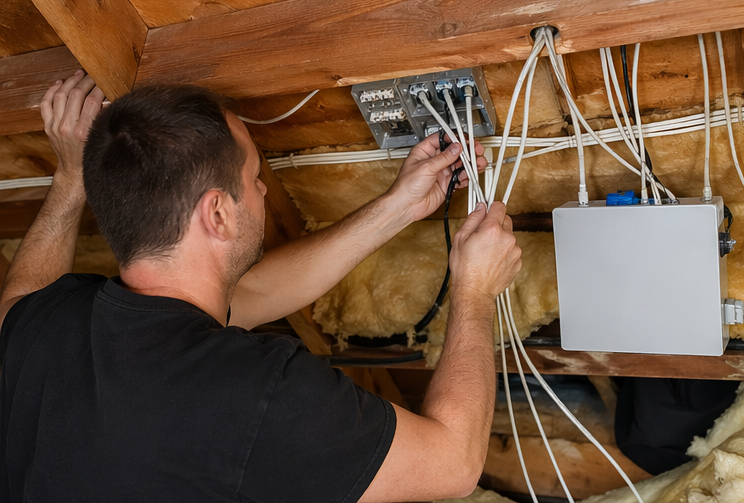
Wired systems are often seen as the premium option and in many cases, that’s accurate. They require professional installation, which includes running cables through walls, ceilings, or crawl spaces.
That’s where the cost increases significantly. Labor alone can run anywhere from $800 to $1,500 depending on your home’s structure. If your house isn’t already pre-wired, the process can be more invasive than expected.
In some homes, especially older ones, this might overlap with broader electrical work. If that’s the case, it’s worth understanding related upgrades like electrical panel upgrade cost by home size because your system might need additional capacity.
But here’s the upside wired systems are extremely reliable. They’re not dependent on Wi-Fi signals or battery life. Once installed, they tend to run quietly in the background without much maintenance.
Still, ask yourself this: are you planning to stay in your home long-term? Wired systems make more sense if you’re settled. Otherwise, the upfront cost may not feel worth it.
Wireless Systems Flexible, Faster, and Budget-Friendly
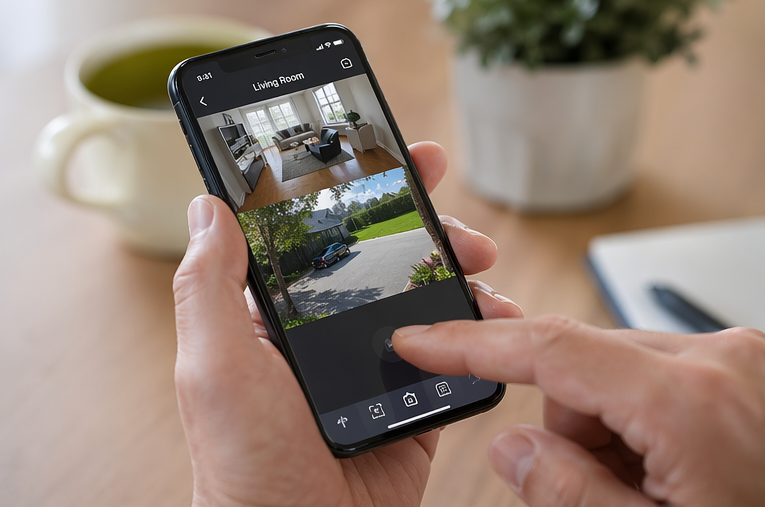
Wireless systems have exploded in popularity and for good reason. They’re easy to install, often requiring nothing more than a screwdriver and a mobile app.
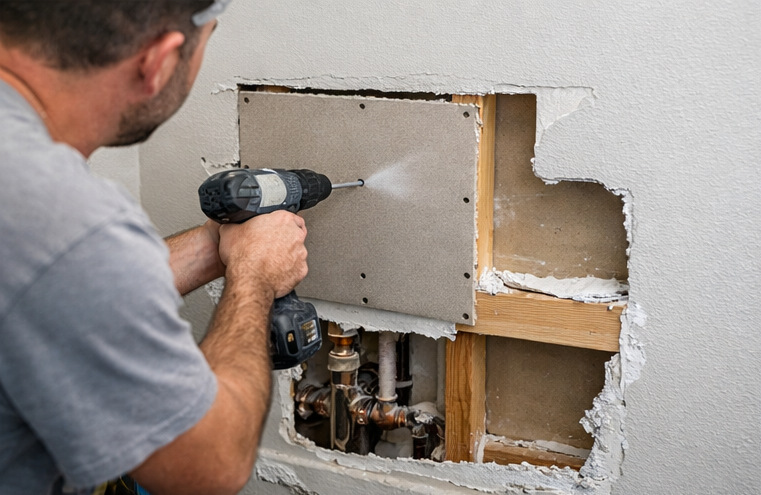
Most homeowners can set one up in a single afternoon. No cutting into drywall. No running cables through tight spaces. That alone cuts down a major portion of installation costs.
The typical home security system cost for wireless setups ranges from $300 to $1,200 depending on how many devices you include. You can start small and expand over time, which makes it more manageable financially.
But there’s a trade-off. Wireless systems rely heavily on Wi-Fi. If your signal drops in certain areas of your home, cameras might lag or disconnect.
This becomes obvious after a few weeks of use. Maybe your front door camera works perfectly, but the backyard one struggles during peak hours. It’s not a dealbreaker, but it’s something people don’t always think about upfront.
Have you ever walked into a room and noticed your Wi-Fi bars drop That’s exactly the kind of issue that can affect a wireless security setup.
Installation Complexity Where Costs Can Surprise You
This is the part most homeowners underestimate.
Even with a clear budget in mind, installation can introduce unexpected costs especially for wired systems. Drilling, cable routing, and system integration take time and expertise.
In some cases, installation might tie into other home improvements. For example, if you’re upgrading entry points for better security, something like interior vs exterior door pricing guide becomes relevant because stronger doors often go hand-in-hand with security upgrades.
There’s also the question of your home’s electrical infrastructure. Older homes may need adjustments before supporting a full system, which can increase your overall spending beyond the initial estimate.
Wireless systems avoid most of this complexity. However, they’re not completely cost-free. Mounting hardware, additional hubs, and even subscription plans for cloud storage can slowly increase your total investment.
So while one option looks cheaper upfront, the long-term picture can shift depending on how you use it.
Monthly Monitoring Fees vs DIY Monitoring
Another layer to consider is ongoing cost.
Many security companies offer professional monitoring services, typically ranging from $20 to $60 per month. This means your system is connected to a monitoring center that can dispatch emergency services if needed.
For some homeowners, that peace of mind is worth every dollar. Especially if you travel often or have a second home.
On the other hand, DIY monitoring is becoming more common. Wireless systems, in particular, allow you to receive alerts directly on your phone. You can check cameras, lock doors, or trigger alarms yourself.
But here’s the catch DIY requires consistency. If your phone is on silent or you miss a notification, there’s no backup.
Imagine getting an alert while you’re in a meeting or on a flight. Would you be able to respond quickly enough That’s where professional monitoring starts to feel less like a luxury and more like a safety net.
Wired vs Wireless: Which One Actually Fits Your Life
At this point, it’s less about which system is “better” and more about which one fits how you live.
If you value reliability, plan to stay in your home long-term, and don’t mind the upfront investment, wired systems are a solid choice. They’re stable, secure, and largely hands-off once installed.
If you prefer flexibility, lower initial cost, and easy setup, wireless systems make more sense. They adapt well to renters, smaller homes, or anyone who doesn’t want to commit to permanent installation.
There’s also a middle ground. Some homeowners start with wireless systems and later transition to wired setups as they upgrade their home. If you’re already planning larger projects, something like complete home repair cost breakdown guide can help you see how security fits into the bigger picture.
And sometimes, the decision comes down to something simple how much effort are you willing to put into setup and maintenance
How to Avoid Overpaying for a Security System
One of the easiest ways to overspend is by buying more than you actually need.
It’s tempting to cover every inch of your property right away. But in many cases, focusing on key entry points front door, back door, and main living areas is enough to start.
Over time, you can expand based on how you actually use the system. Maybe you realize you don’t need a camera in the hallway, but the garage becomes more important.
Another common mistake is ignoring compatibility. Mixing devices from different brands can lead to connectivity issues, especially in wireless systems.
Take a moment to think about your daily routine. Where do you enter and exit most often Which areas feel least secure at night? Those answers will guide your setup better than any generic package deal.
At the end of the day, the real value of a security system isn’t just in the equipment it’s in how well it fits into your life without adding friction.
Because the best system isn’t the most expensive one. It’s the one you actually use, trust, and rely on every single day.