buildcostguide.site – Structural repair cost in the US varies widely learn what affects pricing for load-bearing walls and beam repairs and how to estimate accurately.
You don’t usually think about your home’s structure until something feels off. A crack that keeps growing. A floor that dips slightly under your feet. A doorway that won’t close the way it used to.
These aren’t cosmetic issues. They’re early warning signs that something deeper might be shifting.
And when it comes to structural repairs, especially load-bearing walls and support beams, costs can escalate quickly. Not because contractors overcharge but because the work itself is complex, risky, and highly dependent on what’s happening behind your walls.
Understanding structural repair cost isn’t just about budgeting. It’s about knowing what you’re dealing with before it becomes a bigger, more expensive problem.
What Structural Repair Really Means (and Why It’s Expensive)
Structural repairs involve any work that affects the load-bearing components of your home walls, beams, columns, and the systems that distribute weight from the roof down to the foundation.
This isn’t surface-level work. It requires:
Engineering evaluation
Permits and inspections
Skilled labor (often licensed specialists)
Temporary structural support during repairs
That combination alone drives up costs.
But the real reason structural repair cost varies so much is uncertainty. Contractors often don’t know the full extent of damage until they open up walls or floors. What looks like a minor beam crack could reveal widespread rot or improper load distribution.
In practical terms, homeowners in the US might pay anywhere from $2,000 to $15,000+ for structural repairs. More complex cases like replacing major load-bearing beams can exceed $25,000.
It’s not just about fixing what’s broken. It’s about ensuring the entire structure remains stable.
Load-Bearing Wall Repairs: Costs and Hidden Variables
Load-bearing walls carry the weight of your home above them. Removing or modifying one without proper reinforcement can lead to serious structural failure.
Repairing these walls isn’t always straightforward.
Typical Cost Range
Minor reinforcement: $2,000 – $5,000
Partial rebuild: $5,000 – $12,000
Full structural modification (with beam installation): $10,000 – $20,000+
The wide range reflects how many variables are involved.
What Drives the Cost Up
Accessibility
Walls buried behind plumbing, electrical systems, or finished surfaces take longer and cost more to access and repair.
Structural Load Complexity
A single-story home is simpler than a multi-level structure where weight distribution becomes more complex.
Temporary Support Requirements
Contractors often need to install temporary supports before removing or repairing a load-bearing wall. This adds labor time and materials.
Real-World Scenario
A homeowner in a suburban US home wants to open up their kitchen by removing part of a load-bearing wall.
Initial estimate: $6,000.
Once work begins, contractors discover outdated framing and inadequate support from a previous remodel. The project expands to include beam installation and reinforcement.
Final cost: $14,500.
This kind of escalation is common not due to mispricing, but due to incomplete visibility at the start.
Beam Repair and Replacement: Where Costs Can Spike Fast
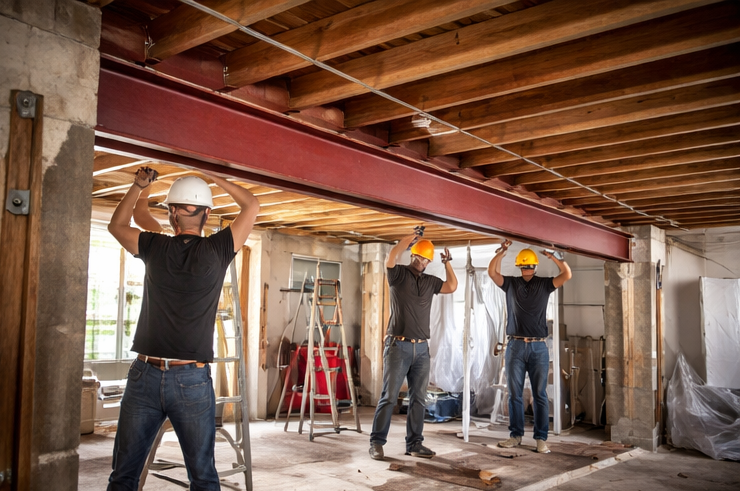
Beams are critical structural components. When they weaken due to moisture, pests, or age the entire load distribution of your home can be affected.
Typical Cost Range
Minor beam repair: $1,500 – $4,000
Sistering (reinforcing with additional beam): $4,000 – $10,000
Full beam replacement: $10,000 – $25,000+
The moment replacement is required, costs rise significantly.
Key Cost Factors
Material Type
Steel beams cost more upfront but may be required for higher loads. Engineered wood beams are more affordable but not always suitable.
Length and Load Capacity
Longer beams supporting more weight require stronger materials and more labor-intensive installation.
Structural Integration
Beams don’t exist in isolation. Replacing one often involves adjusting columns, joists, and connections to maintain stability.
A Common Misconception
Many homeowners assume beam repair is a localized fix.
In reality, beam issues often signal a broader structural imbalance sometimes linked to foundation movement. That’s why it’s worth understanding related costs through resources like this guide on foundation damage pricing factors.
Ignoring that connection can lead to repeat repairs.
Why Structural Repair Costs Are Hard to Estimate Upfront
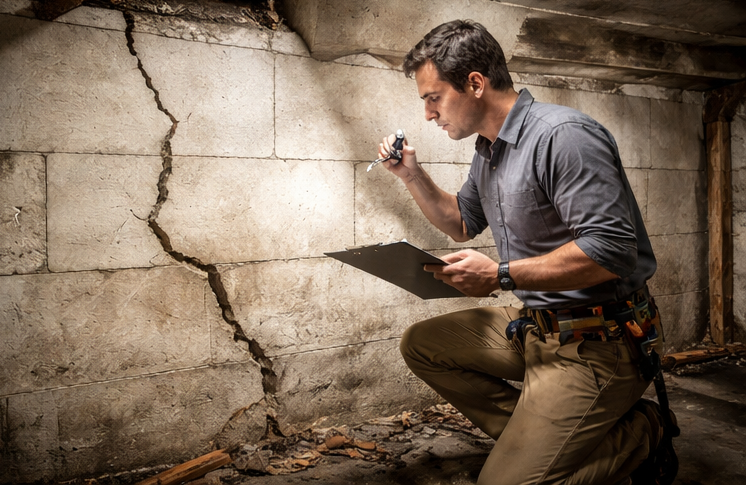
Unlike cosmetic renovations, structural repairs don’t follow a predictable script.
Two homes with similar symptoms can have completely different underlying issues.
The Main Challenges
Hidden Damage
Rot, termites, or water damage may not be visible until materials are removed.
Previous Poor Work
DIY modifications or unpermitted renovations often complicate repairs. Fixing those mistakes adds time and cost.
Engineering Requirements
Some repairs require structural engineer reports, which can cost $300 to $1,500 but are essential for safe execution.
Short-Term vs Long-Term Thinking
Trying to minimize upfront cost can backfire.
A temporary fix might cost $3,000 today but if it doesn’t address the root issue, you could face a $15,000 repair later.
This is where many homeowners miscalculate structural repair cost. They focus on immediate savings instead of long-term stability.
Structural Issues Often Start Elsewhere
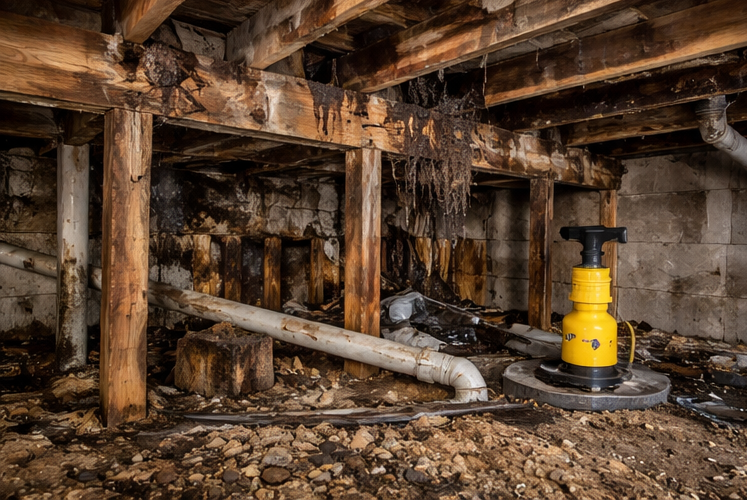
It’s easy to focus on the visible problem a cracked wall or sagging beam but structural issues often originate in other parts of the home.
One common source: the crawl space.
Moisture buildup, poor ventilation, and shifting soil conditions can weaken structural supports over time. That’s why related repairs, like those covered in this guide to crawl space structural fixes, are often part of the bigger picture.
Example
A homeowner notices sagging floors and assumes it’s a beam issue.
Inspection reveals:
High humidity in crawl space
Wood rot in support joists
Weakening of structural connections
Instead of a $5,000 beam repair, the project becomes a $12,000 structural stabilization effort.
The takeaway: symptoms rarely tell the full story.
When Structural Repairs Are Worth It and When They’re Not
Not every structural issue requires immediate action. But delaying the wrong repair can lead to exponential costs.
When It’s Worth Repairing
The home has long-term value (ownership >5 years)
Structural damage is localized and fixable
The issue is actively worsening
In these cases, investing in proper repairs protects both safety and property value.
When You Might Reconsider
Extensive structural damage across multiple areas
Foundation and framing issues combined
Repair cost approaches or exceeds property value increase
In these situations, some homeowners explore alternatives like partial renovation or even selling as-is.
Practical Decision-Making
A good approach is to compare repair cost against overall home value and long-term plans.
For broader context, this complete home repair pricing guide helps frame where structural repairs sit within total home maintenance costs.
That perspective matters. Structural work is rarely cheap but it’s often necessary.
Common Mistakes That Increase Structural Repair Cost
Many homeowners unintentionally make structural repairs more expensive.
Here are some patterns that show up frequently:
Waiting Too Long
Small cracks become large fractures. Minor sagging turns into structural imbalance.
Time amplifies cost.
Hiring the Wrong Contractor
Not all contractors specialize in structural work. Choosing based on price instead of expertise can lead to incomplete or unsafe repairs.
Skipping Engineering Assessment
Trying to avoid engineering fees often leads to improper fixes that fail later.
Treating Symptoms Instead of Causes
Fixing a beam without addressing moisture or foundation movement is a short-term solution.
Underestimating Scope
Homeowners often budget for the visible issue, not the underlying problem. That gap leads to financial stress mid-project.
Avoiding these mistakes doesn’t eliminate costs but it prevents unnecessary ones.
Structural repair cost isn’t just a number it’s a reflection of how your home carries weight, handles stress, and responds to time.
The earlier you understand what’s happening beneath the surface, the more control you have over both the process and the outcome.