buildcostguide.site – A detailed breakdown of plumbing repair cost in the US, including typical pricing for leaks, pipe repairs, and drain fixes, plus factors that affect what homeowners pay.
Plumbing systems rarely fail all at once. More often, problems appear gradually—a dripping pipe under the sink, a slow drain in the shower, or a leak hidden behind a wall. Each issue may seem minor at first, but the cost of repair can vary widely depending on what is actually happening behind the fixtures.
For homeowners, understanding typical plumbing repair cost in the US helps put contractor quotes into context. Prices depend not only on the specific problem but also on labor time, accessibility, and whether parts of the system must be replaced rather than repaired.
This guide focuses specifically on the costs associated with fixing leaks, repairing damaged pipes, and clearing drains—three of the most common reasons homeowners call a plumber.
Typical Plumbing Repair Cost Ranges in the US
Most plumbing repairs fall within a broad national range because labor rates and job complexity vary significantly between homes.
In general, homeowners can expect the following price ranges:
Minor leak repair: $150–$350
Pipe repair or small pipe replacement: $250–$800
Drain clearing or clog removal: $150–$400
Major pipe repair or partial repiping: $1,000–$3,000+
These figures typically include both labor and basic materials. However, prices increase when technicians must open walls, replace damaged fixtures, or address secondary water damage.
Homeowners often discover that plumbing repairs fall somewhere between routine maintenance and full system replacement. For broader context on how these repairs compare with other household projects, it helps to review a wider overview of typical home repair pricing across major systems.
Even within similar homes, two plumbing repairs that look identical on the surface can end up costing very different amounts.
Leak Repair Costs: What Homeowners Typically Pay
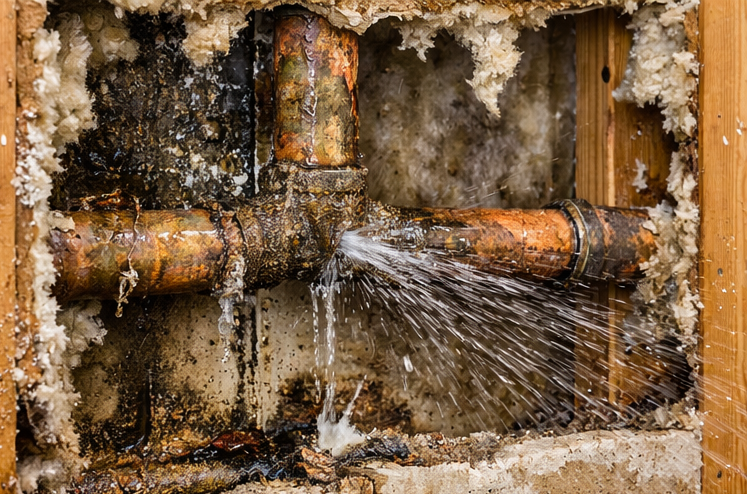
Leaks are the most common plumbing issue reported by homeowners. The cost of repair depends largely on where the leak occurs and how easy it is to access.
Faucet and Fixture Leaks
Leaks from faucets, showerheads, or exposed supply lines are usually the least expensive to repair. In many cases, the issue comes down to worn washers, cartridges, or seals.
Typical repair cost:
$120–$250
If a fixture needs replacement rather than repair, costs may increase depending on the brand and installation complexity.
Pipe Leaks Under Sinks
Leaks beneath sinks often originate from compression fittings, supply lines, or P-trap connections.
Typical repair cost:
$150–$350
Because these pipes are exposed and easy to access, labor time is relatively short. Repairs usually involve tightening fittings, replacing small sections of pipe, or installing new connectors.
Hidden Leaks Behind Walls
Leaks inside walls or ceilings can be far more expensive to address.
Typical repair cost:
$400–$1,500+
The higher cost comes from several additional steps:
locating the leak
opening drywall or flooring
replacing pipe sections
restoring the wall surface afterward
In older homes, hidden leaks sometimes reveal larger problems, such as corroded galvanized pipes or deteriorated copper lines.
Pipe Repair and Replacement Pricing
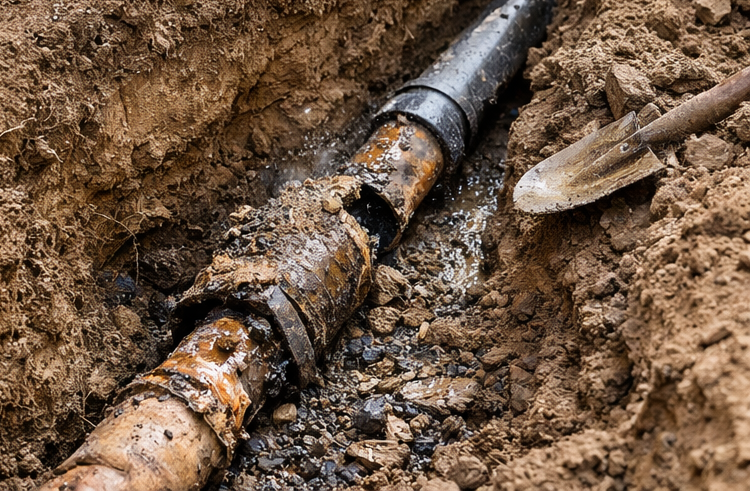
Pipes are the backbone of a home’s plumbing system, and when they fail, repair costs increase quickly.
Small pipe repairs are common, but extensive damage can lead to partial or full pipe replacement.
Small Pipe Section Replacement
When a short section of pipe cracks, corrodes, or freezes, plumbers typically remove the damaged portion and install a new segment.
Typical cost:
$250–$700
Materials influence the price. Copper repairs tend to cost more than PVC or PEX repairs because of higher material costs and additional labor.
Frozen or Burst Pipe Repairs
Frozen pipes are a frequent problem in colder climates. When water expands inside the pipe, it can cause the pipe to split open.
Typical repair cost:
$500–$1,500
This often includes:
replacing the damaged pipe section
thawing remaining frozen pipes
inspecting nearby lines for additional damage
In severe cases where multiple lines burst, repair costs may exceed $2,000.
Partial Repiping
Sometimes the problem extends beyond a single pipe section. If corrosion or age affects a large portion of the plumbing network, plumbers may recommend replacing an entire run of pipes.
Typical cost:
$1,500–$4,000
Partial repiping usually targets specific areas such as kitchens, bathrooms, or laundry rooms.
Drain Repair and Clog Removal Costs
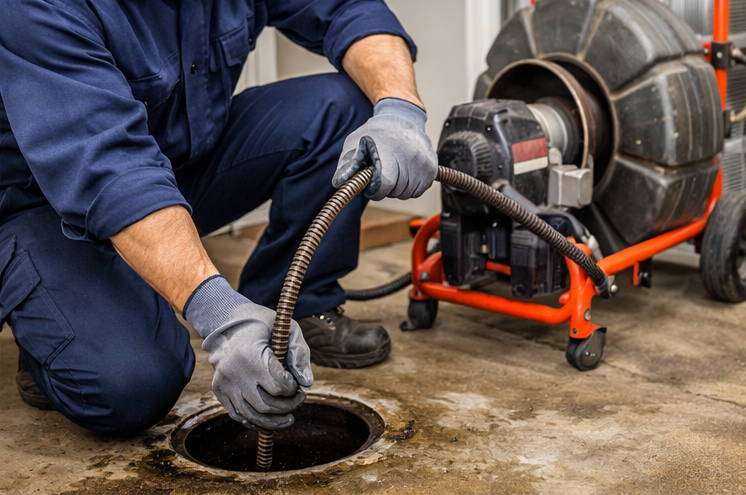
Drain issues are another frequent source of plumbing repair calls. The price depends on how deep the clog sits within the system.
Basic Drain Cleaning
Simple clogs in sinks, showers, or tubs are usually cleared with professional augers or drain snakes.
Typical cost:
$150–$300
This type of service typically takes less than an hour and resolves common buildup from hair, grease, or soap residue.
Main Drain Line Clearing
When multiple fixtures start draining slowly, the issue may be in the main sewer line.
Typical cost:
$300–$600
Plumbers often use more advanced equipment such as motorized augers or hydro-jetting machines to clear these blockages.
Structural Drain Repairs
If a drain pipe collapses, cracks, or separates underground, repairs become more complex.
Typical cost:
$1,000–$4,000+
This type of repair may require excavation or pipe relining. Tree root intrusion is a common cause of structural drain damage.
In rural areas, problems in drain lines sometimes reveal larger wastewater system issues. Homeowners occasionally discover that the root cause lies within the septic system rather than the household plumbing network, which can involve very different repair budgets than typical residential drain fixes described in a detailed septic system replacement pricing guide.
Factors That Affect Plumbing Repair Cost
Two homes with identical plumbing problems rarely receive identical repair quotes. Several factors influence how much a homeowner ultimately pays.
Accessibility of the Plumbing
The location of the pipe or drain strongly affects labor time.
Accessible plumbing behind cabinets or beneath sinks is relatively easy to repair. Pipes inside concrete slabs, crawlspaces, or finished walls require more labor to reach.
The more demolition and restoration involved, the higher the final price.
Age of the Plumbing System
Older homes often contain outdated materials such as galvanized steel pipes.
These systems corrode internally over time, making localized repairs less effective. When plumbers encounter brittle or heavily corroded pipes, they may recommend replacing larger sections of the system.
Labor Rates by Region
Labor costs vary widely across the United States. Urban areas with higher living costs generally have higher service rates.
Typical hourly plumbing labor rates range from:
$75–$150 per hour in smaller cities
$150–$300 per hour in large metropolitan areas
Even relatively small repairs can become expensive if the job takes several hours.
Emergency or After-Hours Service
Emergency plumbing calls often cost significantly more than scheduled repairs.
Night, weekend, or holiday service may include:
service call fees
higher hourly labor rates
emergency dispatch charges
These fees can increase repair costs by 25–50%.
When Plumbing Repairs Become Larger System Issues
Not every plumbing problem stays small. What begins as a slow leak or recurring clog can sometimes reveal deeper issues within the home’s infrastructure.
For example, persistent basement moisture or repeated pipe leaks near foundation walls may indicate water intrusion problems rather than simple plumbing failure. In those cases, the solution may extend beyond pipe repair into structural waterproofing systems, which have their own cost considerations discussed in this breakdown of typical basement waterproofing project expenses.
Similarly, frequent pipe repairs in older homes may signal that the entire plumbing network is nearing the end of its lifespan.
Recognizing when a repair is only a temporary solution can help homeowners make better long-term decisions about maintenance and upgrades.
Common Misconceptions About Plumbing Repair Pricing
Homeowners often underestimate how much small plumbing repairs can cost. Several misconceptions contribute to this surprise.
One common assumption is that most plumbing problems involve inexpensive parts. While the materials themselves may be cheap, labor accounts for the majority of repair costs.
Another misunderstanding involves DIY attempts. While minor fixes like replacing a faucet cartridge can sometimes be handled by homeowners, incorrect repairs can worsen leaks or damage pipes. Professional plumbers often spend additional time correcting earlier DIY mistakes.
There is also the belief that visible leaks represent the full extent of the problem. In reality, plumbing failures often begin behind walls or beneath floors long before visible symptoms appear.
Because of this, the final repair cost sometimes reflects the time required to diagnose hidden damage rather than simply fixing the pipe itself.
How Homeowners Can Reduce Unexpected Plumbing Costs
Although plumbing repairs cannot always be avoided, several practices can help reduce the likelihood of major repair bills.
Routine inspections are one of the most effective strategies. Checking exposed pipes for corrosion, moisture, or mineral buildup can reveal small issues before they escalate.
Drain maintenance also plays an important role. Avoiding grease disposal, using drain screens, and periodically flushing drains can reduce clog frequency.
Temperature protection is another overlooked factor. In colder regions, insulating pipes in crawlspaces, basements, and exterior walls can prevent freezing and pipe bursts.
Over time, preventative maintenance tends to cost far less than emergency plumbing repairs.
Understanding typical plumbing repair cost ranges makes it easier for homeowners to evaluate contractor estimates and recognize when a problem may involve more than a simple leak or clog.