buildcostguide.site – Water in the basement rarely starts as a dramatic flood. More often, it begins with damp walls, a musty smell, or a small crack that seeps after heavy rain. By the time homeowners start researching basement waterproofing cost, they’re usually trying to prevent a larger—and more expensive—problem.
Understanding what basement waterproofing actually costs in the United States requires more than a single number. Prices vary widely depending on the source of the moisture, the size of the basement, soil conditions, and the repair method involved. This guide breaks down those cost components in a clear, practical way so you can make informed decisions before committing to a contractor.
Average Basement Waterproofing Cost in the US
In most parts of the United States, basement waterproofing cost ranges from $2,500 to $10,000, with a national average around $4,500 to $6,500. However, complex exterior systems or structural corrections can push total project costs above $15,000.
The wide range exists because “waterproofing” can mean very different things:
Sealing interior cracks
Installing an interior drainage system
Adding or replacing a sump pump
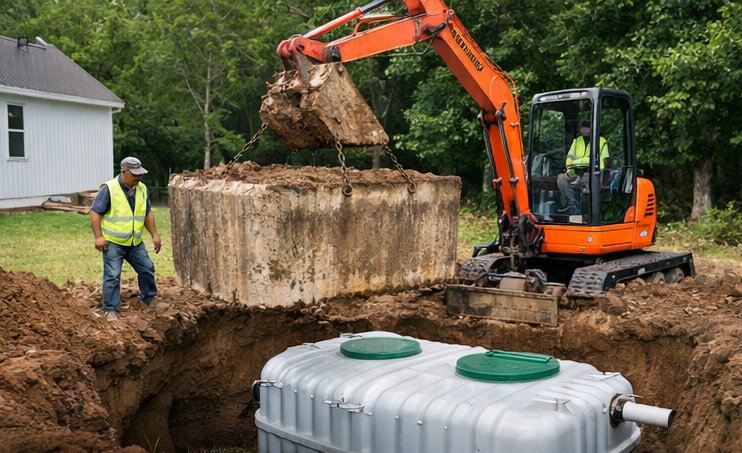
Excavating around the foundation for exterior membrane installation
Regrading landscaping to redirect water
Each approach addresses a different type of moisture issue, which is why pricing varies significantly.
For broader context on how this fits into overall home maintenance expenses, many homeowners review comprehensive breakdowns of residential repair pricing across the United States, such as complete home repair and replacement cost breakdowns in the United States.
What Drives Basement Waterproofing Cost
Several core factors influence the final estimate. Understanding them helps you evaluate contractor proposals more confidently.
Source of Water Intrusion
The origin of moisture is the single biggest pricing factor.
Surface water intrusion (poor grading or clogged gutters) is typically less expensive to correct.
Hydrostatic pressure from saturated soil beneath the foundation often requires drainage systems or sump pumps.
Foundation cracks or structural shifting may involve structural repair before waterproofing can even begin.
A simple crack injection might cost a few hundred dollars per crack. A full perimeter drainage system could cost several thousand.
Interior vs. Exterior Waterproofing
Interior solutions are generally less invasive and more affordable.
Interior drainage systems: $3,000–$8,000
Exterior excavation and waterproof membrane installation: $8,000–$15,000+
Exterior waterproofing requires digging around the foundation, which increases labor, equipment use, and landscaping restoration costs.
Basement Size and Layout
Costs are often calculated per linear foot. Larger basements require:
More drainage pipe
More excavation
More wall sealing
More labor time
An unfinished 800-square-foot basement may cost significantly less to waterproof than a 1,800-square-foot finished basement that requires removal and reinstallation of drywall or flooring.
Soil Type and Local Conditions
Clay-heavy soil retains water and increases hydrostatic pressure, often requiring more comprehensive systems. Regions with heavy rainfall or freeze-thaw cycles also see higher demand for drainage solutions.
In areas of the Midwest and Northeast, for example, seasonal groundwater fluctuations can make waterproofing more complex compared to drier regions in parts of the Southwest.
Cost Breakdown by Waterproofing Method
To better understand where your money goes, here’s a closer look at common methods and their typical price ranges.
Crack Injection (Epoxy or Polyurethane)
Cost: $400–$1,200 per crack
Best for: Isolated wall cracks without structural movement
This is one of the most affordable solutions. It seals small foundation cracks to prevent seepage. However, it doesn’t address ongoing water pressure issues.
Interior French Drain System
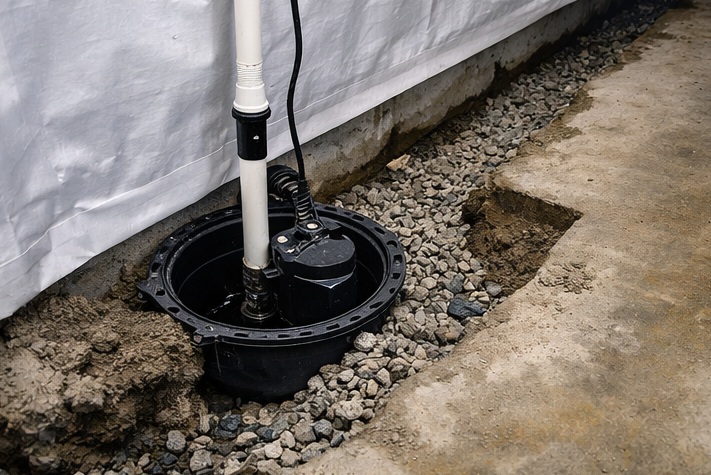
Cost: $50–$100 per linear foot
Total typical project: $3,000–$9,000
This system collects groundwater along the basement perimeter and directs it to a sump pump. It’s common in homes experiencing recurring moisture along the floor-wall joint.
Sump Pump Installation
Cost: $1,000–$3,000
If your home doesn’t already have one, adding a sump pump can significantly reduce basement flooding risk. Backup battery systems may increase costs by several hundred dollars.
Exterior Waterproof Membrane
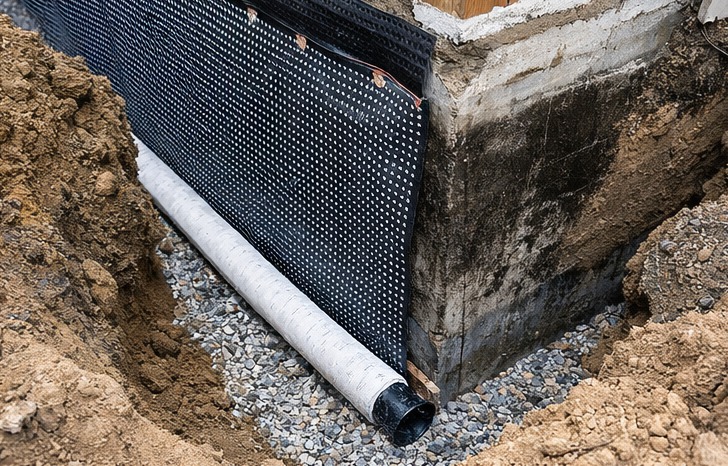
Cost: $80–$150 per linear foot
Total typical project: $8,000–$15,000+
This involves excavating down to the foundation, applying a waterproof membrane, and installing exterior drainage panels. It’s often recommended for persistent groundwater intrusion.
Basement Wall Sealing
Cost: $1,000–$3,000
Surface sealants are applied to interior walls. While relatively affordable, they are generally considered moisture-resistant rather than fully waterproof solutions.
When Waterproofing Connects to Structural Repairs
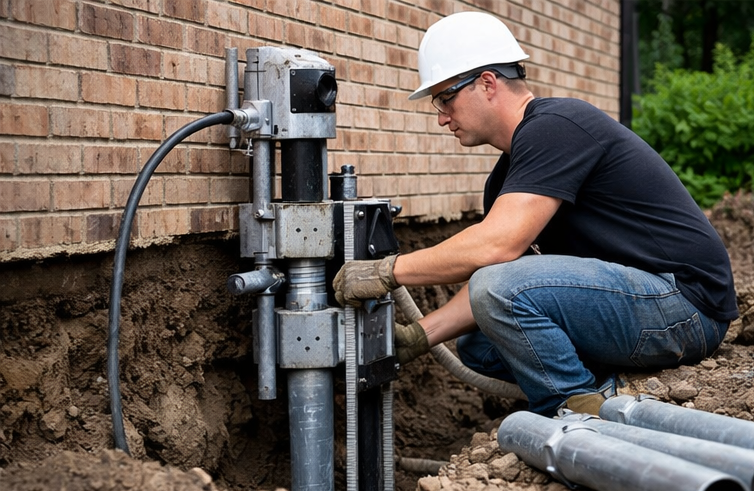
Not all basement water issues are purely moisture-related. In some cases, water intrusion is a symptom of foundation movement or structural cracks.
If shifting soil has caused bowing walls or settlement cracks, waterproofing alone won’t solve the problem. Structural correction may be necessary first. Homeowners facing that scenario often compare estimates with broader pricing insights like those outlined in this analysis of foundation repair cost in the US by severity and repair method.
Addressing structural issues before waterproofing prevents recurring damage and avoids paying twice for labor.
The Hidden Cost of Delaying Waterproofing
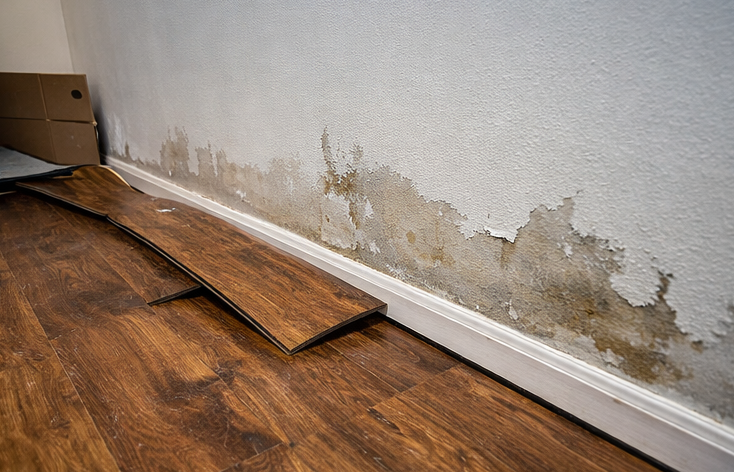
Some homeowners postpone waterproofing because the basement only gets damp during heavy rain. While understandable, delayed action can increase long-term expenses.
Mold Growth and Air Quality
Even small amounts of recurring moisture can create mold conditions within 24–48 hours. Mold remediation costs vary based on affected square footage and containment requirements. For perspective, pricing often depends heavily on the extent of contamination, as detailed in this breakdown of mold remediation cost in the US by affected area size.
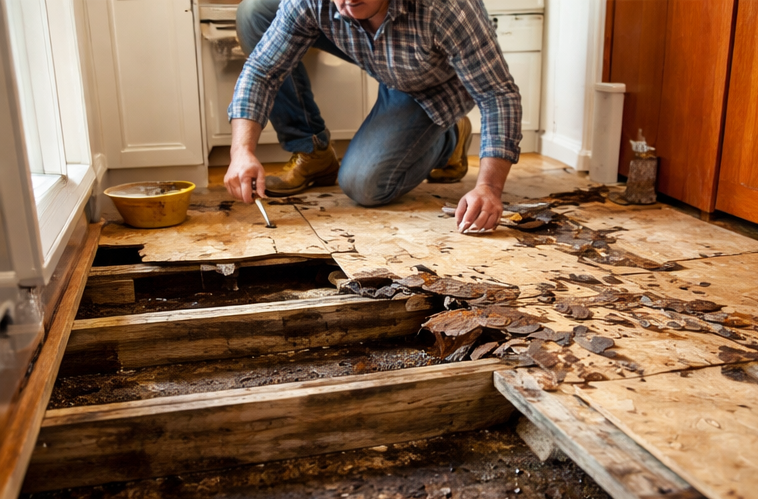
Damage to Finished Basements
Finished basements are particularly vulnerable. Water damage can affect:
Drywall
Insulation
Electrical systems
Flooring
Stored belongings
Restoration costs can quickly exceed the original waterproofing investment.
Reduced Property Value
Buyers frequently request moisture inspections during home sales. Visible water stains, musty odors, or prior flooding history can impact negotiation leverage or require seller concessions.
Regional Pricing Differences Across the US
Basement waterproofing cost is not uniform nationwide.
Midwest and Northeast
These regions often experience:
Higher groundwater levels
Freeze-thaw cycles
Older housing stock with stone or block foundations
Costs here may trend toward the upper mid-range due to soil conditions and foundation age.
Southeast
Heavy rainfall and high humidity increase demand for drainage systems. However, labor costs may be lower in some states compared to coastal metropolitan areas.
West Coast
Basements are less common in parts of California and the Southwest. Where they do exist, seismic considerations can affect foundation repair and waterproofing complexity.
Urban areas with higher labor rates—such as major metropolitan regions—typically see project costs increase 10–25% compared to rural areas.
What’s Usually Included in a Contractor Estimate
A professional waterproofing estimate typically includes:
Inspection and moisture diagnosis
Labor
Materials (drainage pipe, membrane, sealants)
Debris removal
Basic cleanup
However, some items may cost extra:
Permit fees (where required)
Electrical work for sump pump circuits
Landscaping restoration after exterior excavation
Concrete replacement for interior trench systems
Always confirm what is included to avoid misunderstandings.
Interior vs. Exterior Systems: Choosing the Right Approach
Many homeowners assume exterior waterproofing is automatically better. In reality, the “right” solution depends on the cause of the problem.
Interior systems manage water after it enters but before it spreads. Exterior systems attempt to stop water before it reaches the foundation walls.
Key considerations include:
Budget flexibility
Severity of water intrusion
Soil saturation levels
Long-term plans for finishing the basement
For moderate groundwater issues, interior systems often provide reliable protection at a lower upfront cost. For severe or chronic water penetration, exterior solutions may offer more comprehensive protection.
Financing and Insurance Considerations
Most standard homeowners insurance policies do not cover gradual water intrusion caused by hydrostatic pressure or poor maintenance. Flood insurance may cover specific flood events but not ongoing seepage.
Because waterproofing is typically considered preventative maintenance, homeowners often pay out of pocket. Some contractors offer financing plans, though interest rates vary.
From a financial standpoint, many homeowners view waterproofing as risk management. Spending $6,000 today may prevent $20,000 in structural repairs or interior restoration later.
Long-Term Maintenance and System Lifespan
Waterproofing systems are not “install and forget” solutions.
Sump pumps typically last 7–10 years.
Backup batteries require periodic replacement.
Interior drainage systems should be inspected annually.
Exterior grading may need adjustment after landscaping changes.
Regular maintenance ensures that the original basement waterproofing cost continues to deliver value over time.
Signs It’s Time to Get a Professional Inspection
You may want a professional evaluation if you notice:
Persistent musty odors
Efflorescence (white powder residue on walls)
Visible foundation cracks
Water pooling near foundation walls
Warped basement flooring
Increased indoor humidity levels
An inspection fee—often $0 to $300 depending on the provider—can clarify whether you need simple sealing or a more comprehensive drainage system.
Making an Informed Decision
Basement waterproofing cost in the United States varies widely because no two moisture problems are identical. A small crack repair and a full exterior excavation are entirely different projects, both financially and structurally.
Before choosing a solution, focus on diagnosis rather than price alone. Understanding the true source of water intrusion helps ensure that any investment you make addresses the root cause, not just the visible symptom.
For many homeowners, waterproofing is less about immediate resale value and more about protecting structural integrity, indoor air quality, and long-term livability. When approached carefully and with realistic expectations, it becomes a strategic home maintenance decision rather than an emergency expense.