buildcostguide.site – Mold problems often start small—behind drywall, under flooring, or in a damp corner of a basement. By the time discoloration or a musty smell becomes noticeable, many homeowners are already asking the same question: how much will mold remediation cost
In the United States, mold remediation cost varies widely. The most important factor is usually the size of the affected area. A minor issue contained to a few square feet is treated very differently than contamination spreading across multiple rooms. Understanding how pricing scales with square footage can help you set realistic expectations and avoid surprises during estimates.
This article focuses specifically on how affected area size influences mold remediation cost, along with the practical implications for homeowners.
Why Area Size Has Such a Strong Impact on Cost
Mold remediation is not simply about cleaning a surface. Professional remediation typically includes:
Inspection and moisture assessment
Containment setup to prevent cross-contamination
Air filtration using HEPA equipment
Removal of contaminated materials
Cleaning and antimicrobial treatment
Post-remediation verification in some cases
As the affected area increases, each of these steps becomes more labor-intensive and time-consuming.
A small patch on drywall might require minimal containment and a single technician. A 500-square-foot basement, by contrast, could require plastic barriers, negative air machines, multiple technicians, debris disposal, and potentially structural drying equipment.
The relationship between square footage and cost is not perfectly linear, but in most cases, larger areas mean higher total costs due to increased labor, materials, and equipment usage.
Typical Mold Remediation Cost Ranges by Affected Area Size
While exact pricing depends on region and project complexity, the following ranges reflect common market conditions in the United States.
Small Areas (Up to 10 Square Feet)
For very small, localized mold growth—often found under a sink or on a section of drywall—professional remediation typically ranges from:
$500 to $1,500
At this size, remediation may involve limited containment and surface treatment. In some cases, minor material removal is required, such as cutting out a small section of drywall.
Homeowners sometimes attempt DIY cleaning for areas under 10 square feet. However, if the mold source involves hidden moisture or HVAC systems, professional assessment is generally safer and more reliable.
Moderate Areas (10–100 Square Feet)
When mold spreads beyond a small patch and affects part of a wall, ceiling, or room corner, costs typically increase to:
$1,500 to $4,000
At this scale, remediation often includes:
Full containment barriers
HEPA air scrubbers
Removal of drywall, insulation, or carpeting
Disposal of contaminated materials
Labor becomes a larger component of the total price. The project may take several days rather than a few hours.
Large Areas (100–300 Square Feet)
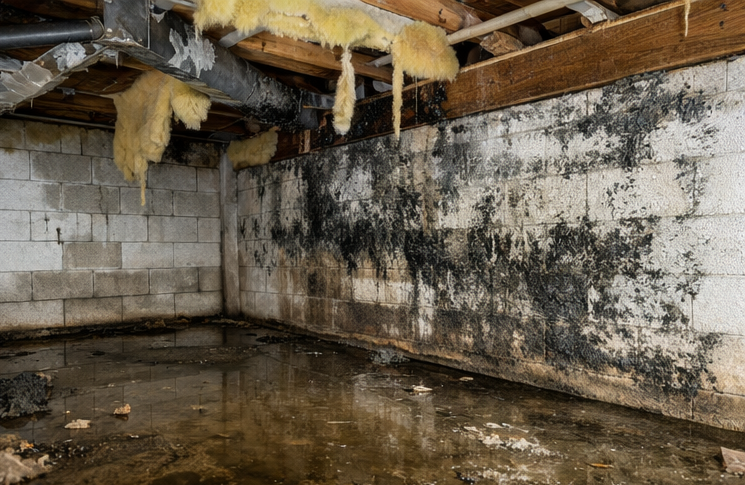
When mold affects a significant portion of a room, basement, or crawl space, remediation costs often fall between:
$4,000 to $8,000 or more
This range usually reflects structural material removal, expanded containment zones, and extended labor time. If framing, subflooring, or structural components are impacted, costs can rise further.
In cases where moisture problems are ongoing, addressing the underlying cause—such as drainage or vapor intrusion—can add separate expenses beyond remediation itself.
Extensive Contamination (300+ Square Feet)
For large-scale mold issues affecting multiple rooms or entire lower levels, costs frequently exceed:
$8,000 to $15,000+
Projects at this size often resemble partial renovation work. They may involve:
Removal of large sections of drywall
Subfloor or insulation replacement
Significant drying time
Specialized testing
At this stage, mold remediation becomes part of a broader restoration effort rather than a simple cleaning job.
The Hidden Multiplier: Material Type and Accessibility
Square footage alone does not determine mold remediation cost. The type of materials affected and how accessible the area is can significantly influence pricing.
Porous materials such as drywall, insulation, and carpet typically require removal and replacement. Non-porous materials like tile or metal may only require cleaning and treatment.
Accessibility also matters. Mold behind cabinets, inside wall cavities, or in tight crawl spaces requires more labor and time to reach safely. A 50-square-foot open wall area is very different from 50 square feet hidden behind finished surfaces.
If mold is discovered in a basement with ongoing moisture issues, the total financial impact may extend beyond remediation. For example, homeowners often need to consider structural moisture solutions. In these cases, reviewing the issue within a broader home repair and replacement cost framework can provide helpful context for long-term financial planning.
How Moisture Source Influences Overall Cost
Mold growth is always tied to moisture. Without resolving the moisture source, remediation may only provide temporary relief.
Common moisture sources include:
Plumbing leaks
Roof leaks
Foundation cracks
Poor exterior drainage
High indoor humidity
If the moisture issue is minor, such as a single plumbing repair, the additional cost may be manageable. However, foundation seepage or persistent crawl space humidity can significantly expand the project scope.
For homes with chronic moisture in lower structural areas, remediation often intersects with broader environmental control solutions. Many homeowners compare remediation expenses with other humidity management investments when evaluating whether to commit to long-term moisture control strategies.
Regional Pricing Differences Across the United States
Mold remediation cost is also influenced by local labor rates and regulatory standards.
In higher-cost metro areas—such as parts of California, New York, or the Pacific Northwest—labor rates tend to be higher. Disposal fees and environmental compliance costs may also increase project totals.
In lower-cost regions, such as parts of the Midwest or Southeast, overall remediation costs may be somewhat lower, though material expenses remain relatively consistent nationwide.
For homeowners comparing multiple types of home repair expenses, mold remediation is one component within a broader maintenance picture. Taking a wider view of repair pricing trends across the U.S. housing market can help clarify how these costs relate to other common property upkeep expenses.
This broader context helps illustrate how mold remediation fits into overall property maintenance planning and long-term budgeting decisions.
Insurance Coverage and Financial Implications
One of the most common concerns is whether homeowners insurance will cover mold remediation cost.
In many standard policies, mold coverage depends on the source of moisture. For example:
Mold caused by a sudden and accidental plumbing leak may be partially covered.
Mold resulting from long-term neglect or gradual seepage is often excluded.
Even when coverage applies, many policies cap mold-related payouts at specific dollar amounts, such as $5,000 or $10,000.
When affected area size increases, these coverage caps may become insufficient. Large-scale remediation can easily exceed policy limits, leaving homeowners responsible for the difference.
Before proceeding with extensive remediation, it is usually wise to review your policy details and speak directly with your insurance provider.
Practical Considerations Before Approving a Remediation Project

Understanding square footage-based pricing is only part of the decision-making process. Homeowners should also consider:
Independent Inspection vs. Contractor Assessment
Some remediation companies provide free inspections tied to project bids. Others recommend independent mold inspectors who perform third-party assessments.
An independent inspection may provide a more objective scope of work, especially for larger projects.
Post-Remediation Testing
For moderate to large affected areas, post-remediation verification can confirm that mold levels have returned to acceptable ranges. While this adds cost, it can provide documentation that may be useful for insurance or future resale.
Impact on Property Value
Extensive mold damage, especially if poorly documented, can affect resale value. Proper remediation records and evidence of moisture correction may help reassure future buyers.
Long-Term Moisture Control
Remediation without addressing humidity or drainage often leads to recurring problems. Investing in ventilation, dehumidification, or waterproofing may increase upfront cost but reduce the likelihood of repeat expenses.
When Size Signals a Larger Structural Concern
If mold affects more than 100–200 square feet, it may indicate a systemic moisture issue rather than an isolated leak.
Large affected areas often suggest:
Prolonged water intrusion
Hidden damage behind finished surfaces
Insufficient ventilation
Structural exposure to damp conditions
In these situations, remediation is only one phase of a larger corrective strategy. Ignoring underlying causes can result in repeated remediation costs over time.
Homeowners facing large-scale contamination may benefit from consulting both remediation specialists and general contractors to assess potential structural impacts.
How to Budget Realistically for Mold Remediation

When estimating mold remediation cost by area size, consider these general budgeting principles:
Small localized issue: Prepare for at least $1,000
Single-room moderate contamination: Plan for $2,000–$5,000
Large basement or multi-room issue: Budget $5,000–$12,000+
Add contingency funds if structural repairs or moisture control upgrades are likely.
Request detailed written estimates that clearly outline:
Square footage assumptions
Containment setup
Material removal scope
Equipment usage duration
Disposal and cleaning procedures
Transparent documentation helps ensure that pricing aligns with the true extent of the affected area.
Mold remediation cost in the United States is closely tied to the size of the affected area, but square footage is only one part of the equation. Material type, moisture source, accessibility, regional labor rates, and long-term prevention strategies all shape the final price.
By understanding how costs scale with area size—and how remediation connects to broader moisture management—homeowners can approach the process with clearer expectations and a more informed financial plan.