buildcostguide.site – Landscaping cost in the US can vary fast depending on design, labor, and materials. Learn what really affects pricing before starting.
You clear the yard, save a few inspiration photos, and think the landscaping project will stay under budget. Then the quotes start coming in. One contractor says $4,000. Another says $18,000 for what looks almost the same on paper.
That gap catches a lot of homeowners off guard.
The tricky part about landscaping cost is that the expensive part is not always what people expect. Sometimes the plants are cheap, but the labor quietly eats half the budget. Other times the design looks simple, yet drainage problems or grading work turn it into a much bigger project.
And honestly, many people only realize this after the crew has already started digging.
Why Landscaping Cost Varies So Much Between Homes
A small backyard makeover in Arizona does not cost the same as rebuilding a sloped yard in Pennsylvania. Even if both projects use similar materials, the work behind them can be completely different.
The biggest pricing factor is usually site condition. Flat land is faster to work on. Rocky soil, old tree roots, poor drainage, or steep elevation changes slow everything down. Contractors price for time and difficulty more than people realize.
A common mistake is comparing landscaping prices using photos online. A clean-looking patio and lawn combo might seem affordable until you notice the property needed retaining walls underneath. Those hidden structural parts are where budgets suddenly climb.
In many cases, homeowners also forget to account for connected exterior projects. Something as simple as replacing fencing during a landscape redesign can add thousands more. That is why guides like wood and vinyl fence replacement pricing become surprisingly relevant once the project expands.
Another thing that changes cost fast is access. If crews cannot easily move materials into the backyard, labor hours increase. Narrow side gates sound minor until workers spend two extra days hauling stone manually.
That detail rarely shows up in Pinterest photos.
Landscape Design Fees Often Surprise First-Time Homeowners
People usually focus on plants and hardscaping first. The design fee gets ignored until later.
Basic landscaping plans may cost a few hundred dollars, but custom designs from experienced landscape architects can run several thousand. The larger the property, the more detailed the planning becomes.
Still, skipping design entirely often creates more expensive problems later.
One common issue happens with spacing. Homeowners pick fast-growing shrubs because they look small and tidy at installation. Two years later, the plants crowd windows, block walkways, and require removal. The original savings disappear.
Good design work also prevents awkward material combinations. A yard can technically look finished while still feeling visually off. That usually happens when textures, colors, or elevations were never planned together.
A less talked-about factor is maintenance planning. Some designs look amazing during installation but become exhausting after one season. High-maintenance flower beds near trees are a classic example. Leaves constantly fall into mulch beds and cleanup becomes annoying fast.
Experienced designers often build around real homeowner habits instead of idealized magazine layouts.
That difference matters more after the excitement phase wears off.
Labor Costs Quietly Become the Biggest Expense
A lot of people assume stone, pavers, or large plants are the main budget killers. In reality, labor often becomes the largest chunk of landscaping cost.
Installation work is physically demanding and time-sensitive. Crews handle excavation, grading, drainage setup, hauling, cutting materials, cleanup, and weather delays. Even a relatively small project can involve multiple workers for several days.
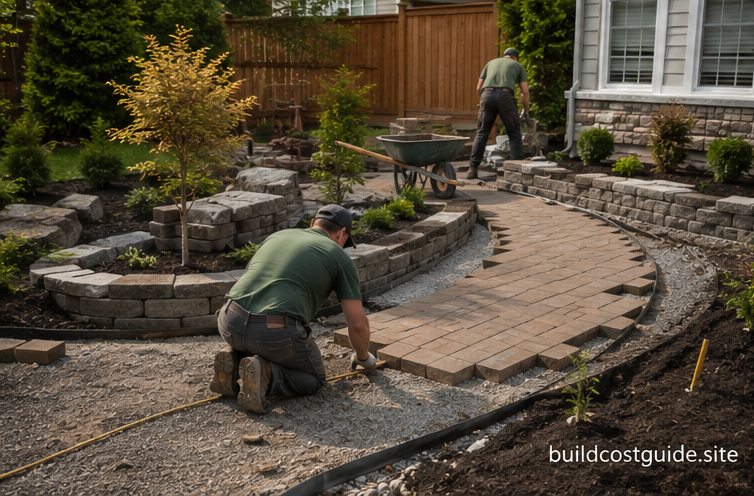
Hardscape projects especially drive labor pricing higher. Installing retaining walls or paver patios takes precision. If the base preparation is rushed, problems show up months later through shifting, cracking, or uneven settling.
This is why cheaper quotes can become risky.
Some contractors reduce costs by cutting preparation work that homeowners never see. The patio looks fine at first, but water pooling starts after heavy rain. Then repairs become expensive.
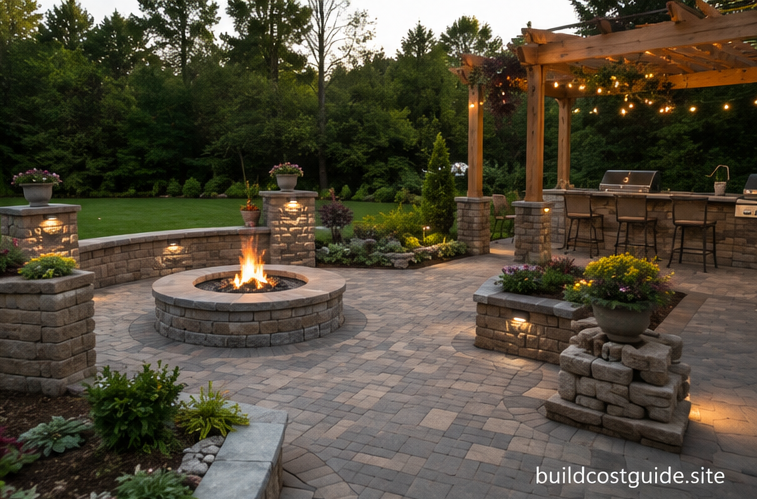
Projects involving patios also overlap heavily with landscaping budgets. Homeowners often discover their yard refresh turns into a full outdoor living upgrade. Costs climb quickly once fire pits, seating areas, or stone pathways enter the plan. Detailed breakdowns like concrete and paver patio pricing help set more realistic expectations before the project expands halfway through.
Timing affects labor cost too. Spring and early summer are peak seasons in many states. Contractors book out fast and pricing tends to rise during busy periods.
Oddly enough, late fall can sometimes produce better pricing for non-plant projects because crews want to keep schedules full before winter slows things down.
Material Choices Change More Than Just Appearance
Mulch, gravel, concrete, natural stone, composite decking, artificial turf, decorative edging landscaping materials cover a huge price range.
And the most expensive option is not always the smartest one.
Natural stone looks premium, but transportation costs alone can become significant depending on region. Heavy materials increase delivery fees and installation complexity. Meanwhile, cheaper alternatives sometimes age poorly under weather exposure.
Artificial turf is a good example of mixed expectations. Many homeowners install it to reduce maintenance, but lower-quality turf can heat up aggressively in direct sun. It may also flatten over time in high-traffic areas.
The same pattern happens with wood materials. Fresh cedar fencing or pergolas look beautiful initially, but ongoing sealing and weather exposure add long-term costs people forget to calculate.
One subtle landscaping mistake involves mixing too many materials together. A yard with four stone types, multiple mulch colors, and different edging styles can start feeling visually chaotic. Simpler combinations often age better and look more expensive overall.
Drainage materials also deserve more attention than they get.
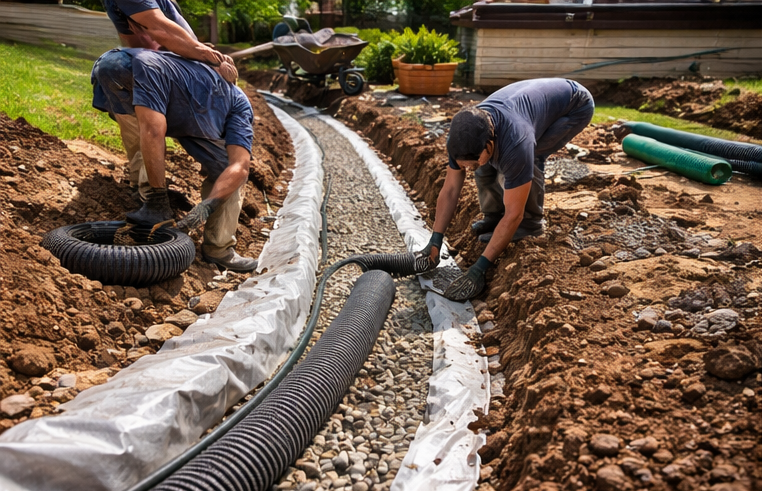
Homeowners usually spend hours debating plant selection while barely discussing drainage systems. But poor drainage quietly destroys landscaping investments. Water pooling under pavers or near foundations causes long-term damage that costs far more than preventive grading or drainage installation upfront.
That part is not exciting, which is exactly why many people overlook it.
The Cheapest Landscaping Option Often Costs More Later
DIY landscaping looks attractive at first because labor savings seem huge. And to be fair, some projects absolutely work well as DIY jobs.
Simple mulch refreshes, planting small shrubs, or installing basic garden borders are manageable for many homeowners.
But larger projects become risky once grading, irrigation, retaining walls, or drainage enter the picture.
One of the most expensive homeowner mistakes is improper slope grading. Water starts moving toward the house instead of away from it. The landscaping may still look fine visually while hidden moisture problems slowly develop underneath.
Another issue is overbuilding too quickly.
People sometimes install large patios, oversized planting beds, outdoor kitchens, and elaborate lighting systems all at once. The result looks impressive initially, but maintenance becomes overwhelming within a year.
Interestingly, smaller well-planned landscapes usually age better.
A focused design with healthy grass, clean pathways, layered lighting, and a few quality materials often feels more expensive than overloaded layouts packed with decorative elements.
There is also the resale factor. Buyers notice landscaping immediately, but they also notice when it feels difficult to maintain. Extremely customized yards can narrow buyer appeal instead of increasing value.
Practical upgrades tend to perform best long term.
What Homeowners Should Budget for Realistically
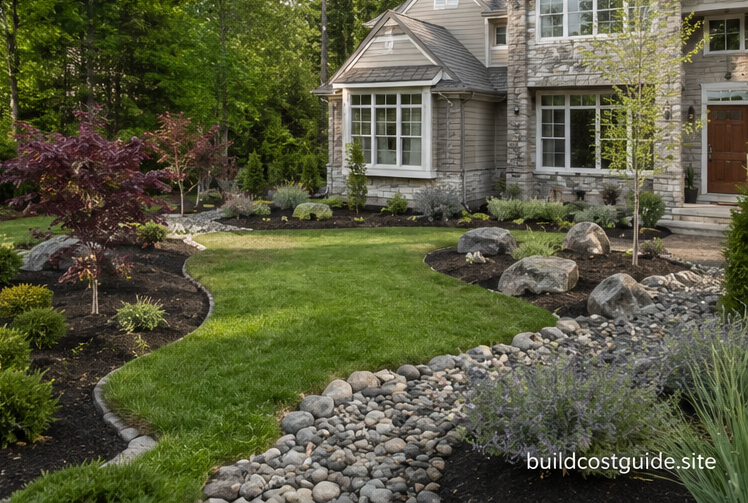
For basic landscaping updates in the US, many homeowners spend somewhere between $3,000 and $8,000. Mid-range projects with patios, planting redesigns, lighting, and moderate hardscaping commonly land between $10,000 and $25,000.
High-end outdoor transformations can easily exceed $50,000.
The challenge is that landscaping scope expands fast once work begins.
A homeowner starts with just replacing the lawn, then realizes the old irrigation system needs replacement too. Then the walkway suddenly looks outdated next to the new landscaping. Then exterior lighting gets added because the yard finally deserves it.
That chain reaction happens constantly.
One smart approach is separating projects into phases. Handle drainage and grading first. Then focus on hardscaping. Plants and decorative upgrades can come later once the foundational work is stable.
People who budget only for visible upgrades usually end up stressed midway through construction.
It also helps to expect some unpredictability. Landscaping projects involve outdoor conditions, buried utility lines, weather delays, and soil surprises. Hidden issues appear more often than homeowners expect.
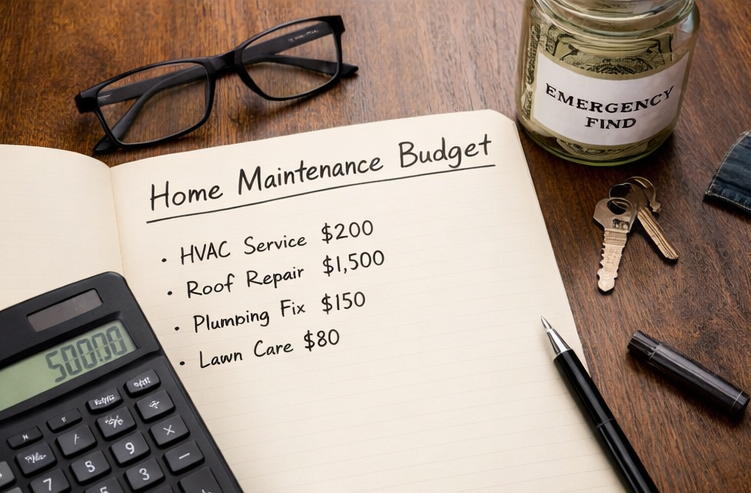
A realistic contingency fund of 10% to 20% prevents smaller setbacks from becoming major financial headaches.
And honestly, the homeowners happiest with their landscaping projects are usually not the ones who spent the most money. They are the ones who understood where the money was actually going before work started.