buildcostguide.site – Smart home installation cost in the US explained see real pricing for devices, automation systems, and setup options to plan your budget smartly.
It usually starts small. Maybe you buy a smart speaker, then a video doorbell, and suddenly you’re wondering how much it would cost to automate your entire home. That’s where most homeowners pause because figuring out the real smart home installation cost in the US isn’t as straightforward as it seems.
Some setups cost a few hundred dollars. Others quietly climb into the thousands, especially once professional installation and full automation systems come into play. So what actually drives the cost, and how do you avoid overspending on features you may not even use
Let’s break it down in a way that feels practical like you’re planning this for your own home, not reading a spec sheet.
What Impacts Smart Home Installation Cost the Most
The biggest factor is how far you want to go. There’s a huge difference between installing a few smart bulbs and setting up a fully automated home that controls lighting, climate, security, and entertainment in sync.
In many cases, homeowners start with DIY devices things like smart plugs or thermostats and then gradually expand. That approach keeps initial costs low, often under $500. But once you start connecting multiple systems, you may need a central hub or professional configuration.
Think about it this way:
Are you just adding convenience, or are you building a fully integrated system that runs your home
Another cost driver is compatibility. Not all devices work seamlessly together. If you mix brands without checking ecosystems, you might end up needing extra hardware or apps to make everything function properly. That’s when costs creep up unexpectedly.
Device Costs From Basic Gadgets to Full Systems
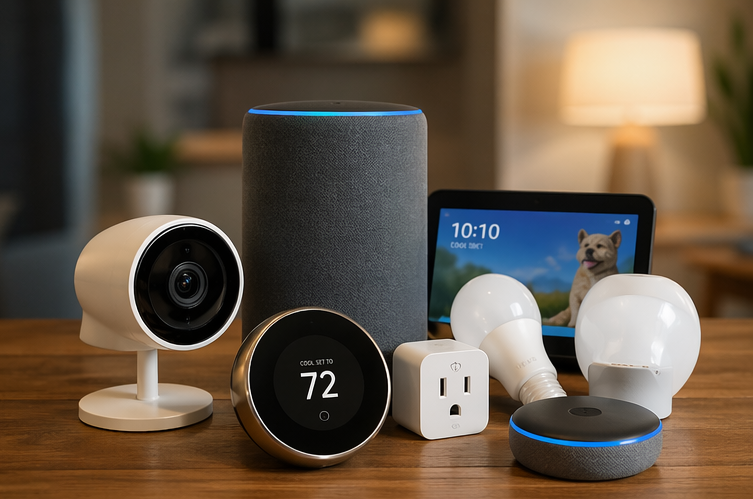
Let’s talk numbers. Individual smart home devices are more affordable than ever, but they add up quickly when you scale.
Basic devices typically cost:
Smart bulbs: $10–$40 each
Smart plugs: $15–$50
Smart thermostats: $100–$300
Video doorbells: $100–$250
Smart locks: $150–$400
At first glance, it doesn’t seem too bad. But imagine outfitting an entire home multiple rooms, entry points, and systems. Suddenly you’re looking at $1,500 to $5,000 just for devices.
And that’s before installation.
A common mistake Buying devices piece by piece without a plan. It feels affordable in the moment, but over time you may realize they don’t integrate well. That often leads to replacing perfectly good devices something many homeowners don’t anticipate.
Have you ever bought tech that seemed great at first, but later felt limiting That’s a common experience in smart home setups.
Professional Installation vs DIY Setup
Here’s where costs can swing dramatically.
DIY installation is the most budget-friendly route. Many devices today are designed for easy setup you plug them in, connect to Wi-Fi, and control them through an app. For smaller setups, this works perfectly.
But once you move into more advanced automation like syncing lighting schedules, security systems, and voice control things get more complex. That’s where professional installation comes in.
Typical professional installation costs:
Basic setup: $300–$1,000
Mid-level automation: $1,000–$3,500
Full smart home system: $5,000–$15,000+
It’s not just about labor. Professionals design the system so everything works together smoothly. They also handle wiring, configuration, and troubleshooting.
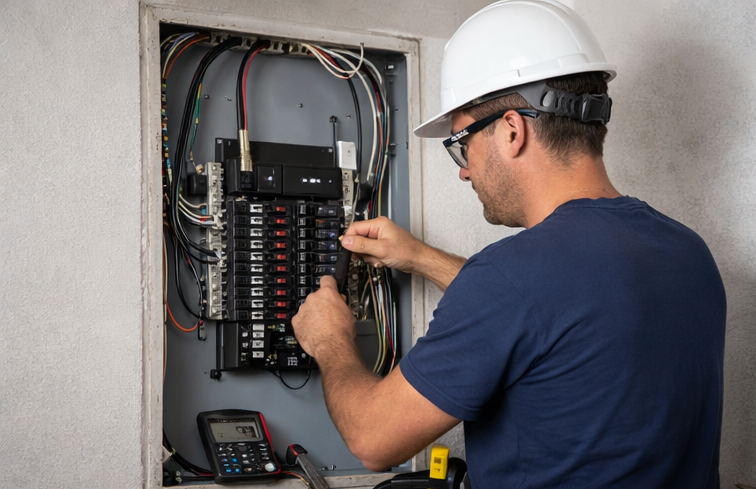
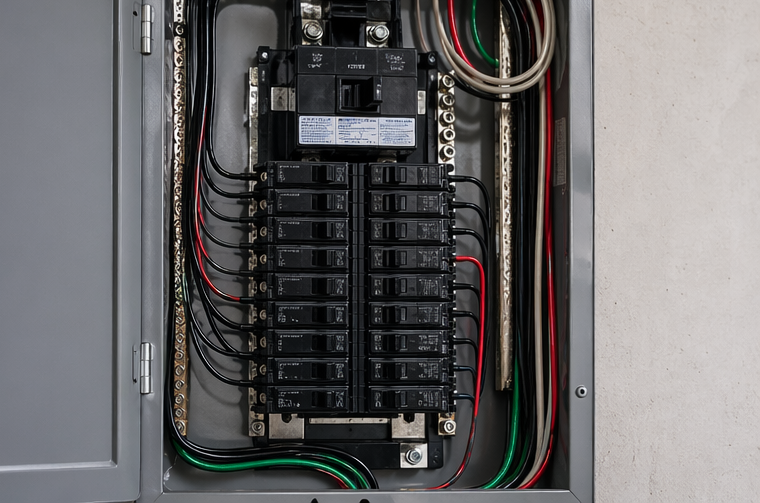
This becomes especially important in older homes. If your electrical system isn’t updated, you may need upgrades before installing certain devices. In some cases, homeowners end up exploring options like an electrical panel upgrade cost by amperage to support modern smart systems.
So the real question is:
Do you value saving money upfront, or saving time and frustration later
Automation Systems and Hub Pricing
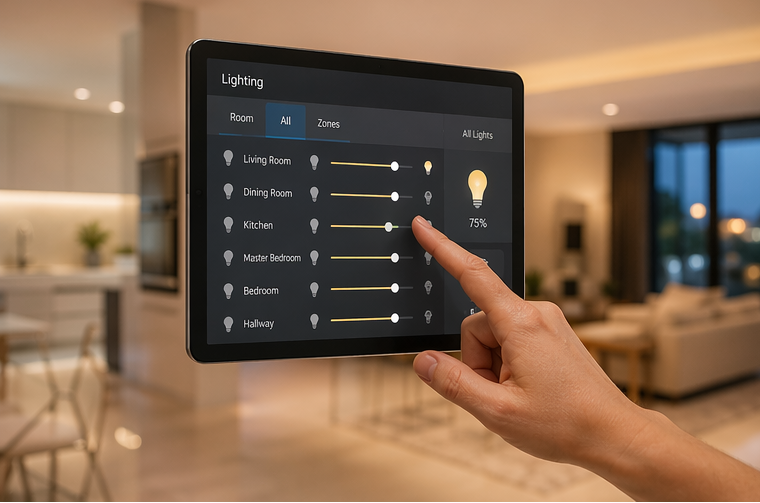
If you’re aiming for a connected home not just scattered smart devices you’ll likely need a central automation system or hub.
Some ecosystems, like those built around voice assistants, act as lightweight hubs. Others, like professional-grade automation systems, offer deeper control but come at a higher price.
Here’s a general breakdown:
Basic hubs (consumer-level): $50–$300
Advanced smart home controllers: $500–$2,000
Professional automation systems: $2,000–$10,000+
What makes the difference? Integration and customization.
With a basic hub, you might control lights and a thermostat. With a high-end system, you can automate entire routines like dimming lights, locking doors, and adjusting temperature when you leave the house.
Picture this:
You walk out the door, and everything responds automatically. No apps. No commands. Just seamless transitions.
That level of convenience is where costs increase but it’s also where smart homes feel truly smart.
Hidden Costs Homeowners Often Miss
This is where things get interesting. The initial device and installation costs are only part of the story.
Over time, additional expenses can show up, including:
Subscription services security monitoring, cloud storage
Network upgrades better Wi-Fi coverage or mesh systems
Electrical updates
Maintenance or troubleshooting
For example, if your home has outdated wiring, installing multiple smart devices could expose limitations. In those cases, homeowners sometimes look into a whole house rewiring cost in the US to future-proof their setup.
There’s also the issue of internet reliability. Smart homes depend heavily on stable connections. If your Wi-Fi struggles in certain rooms, you might need to invest in additional equipment.
It’s easy to overlook these details at the beginning. But over time, they become part of the total smart home investment.
How to Plan Your Smart Home Budget Strategically
The smartest approach isn’t going all-in from day one. It’s building your system in phases.
Start with your priorities. For many homeowners, that means:
Security cameras, locks, doorbells
Energy efficiency thermostats, lighting
Convenience voice assistants, automation routines
Once those are in place, you can expand gradually.
Think of it like upgrading a home over time. You don’t remodel everything at once you focus on what matters most first. The same logic applies here, and it helps control your smart home installation cost without sacrificing long-term flexibility.
If you’re planning a broader home upgrade, it’s also helpful to understand how smart systems fit into overall expenses. A resource like the complete home repair cost guide in the US can give useful context when budgeting for multiple improvements at once.
Another practical tip: stick to one ecosystem when possible. It reduces compatibility issues and simplifies expansion later.
Real-Life Cost Scenarios in the US
To make this more concrete, let’s look at typical scenarios homeowners experience.
Small apartment setup
A renter installs smart bulbs, a thermostat, and a doorbell camera. Everything is DIY.
Total cost: around $300–$800
Mid-sized home upgrade
A homeowner adds smart lighting, security cameras, a thermostat, and a hub. Some professional help is needed.
Total cost: $2,000–$6,000
Fully automated home
A new build includes integrated lighting, climate control, security, and entertainment systems with professional installation.
Total cost: $10,000–$30,000+
These ranges vary depending on location, home size, and system complexity. But they give a realistic picture of what most people spend.
Where do you see yourself in that range
When Smart Home Investment Actually Pays Off
It’s fair to ask whether the cost is worth it. In many cases, the benefits go beyond convenience.
Smart thermostats can lower energy bills. Security systems can reduce insurance premiums. Automated lighting can extend bulb life and improve safety.
But the biggest payoff is often something less tangible peace of mind and ease of living.
Think about coming home late at night. The lights turn on automatically, the door unlocks, and the temperature is already comfortable. It’s not just about technology it’s about removing small daily frictions. Over time, those small improvements add up.
Smart homes don’t have a one-size-fits-all price tag. Your smart home installation cost depends on how you use your space, what problems you’re trying to solve, and how far you want to take automation.
Some people are perfectly happy with a few connected devices. Others build fully integrated systems that quietly run in the background. The key is knowing what you actually needand building from there.