buildcostguide.site – Pool installation cost in the US explained clearly compare inground vs above ground pricing, hidden fees, and smart ways to budget your project.
A backyard pool sounds amazing until you start pricing it out. One minute you’re picturing summer weekends with friends, and the next you’re staring at quotes that feel all over the place. If you’ve ever wondered why one pool costs $8,000 and another $80,000, you’re not alone.
The truth is, pool installation cost in the US varies widely depending on the type of pool, your yard, and a few details most people don’t think about upfront. That’s where things can get confusing and expensive if you’re not careful.
Let’s break it down in a way that actually makes sense, so you can plan your project without surprises.
Inground vs Above Ground The Core Price Difference
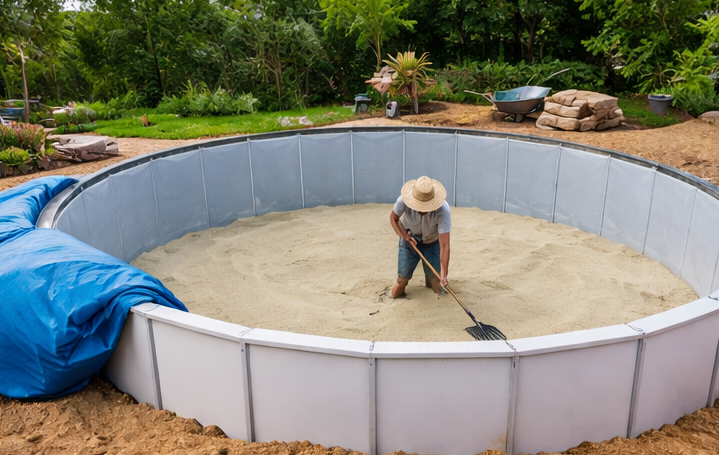
The biggest factor in pool installation cost comes down to one decision: inground or above ground. Everything else builds from there.
Above ground pools are the more budget-friendly option. Most homeowners in the US spend between $1,500 and $8,000 for the pool itself, with total installation costs typically landing between $3,000 and $15,000. These are quicker to install and don’t require major excavation.
Inground pools, on the other hand, are a long-term investment. The average cost ranges from $35,000 to $90,000, but high-end builds can easily exceed $100,000. Materials like concrete, fiberglass, or vinyl liner all impact pricing differently.
Think about your long-term plans. Are you staying in your home for years, or is this a shorter-term upgrade That question alone often helps people narrow down their choice.
What Drives Pool Installation Cost Higher
It’s easy to assume the pool itself is the main expense. In reality, the installation process often adds just as much sometimes more.
Excavation is a big one. If your yard has rocky soil, slopes, or limited access for equipment, costs can climb quickly. A straightforward dig might cost a few thousand dollars, while a complicated site can double that.
Then there’s plumbing, electrical work, and permits. These aren’t optional. For example, adding lighting, heating systems, or smart controls can significantly increase your overall cost.
Many homeowners also forget about surrounding upgrades. You might start with a pool but end up needing a patio or drainage solution. That’s why it helps to look at a broader breakdown like this complete home repair and replacement cost guide to understand how projects stack together.
Have you ever started a home project thinking it was one thing, only to realize it affects three others Pools tend to do that.
Material Choices That Change the Price
Not all pools are built the same, and the materials you choose can shift your budget dramatically.
Concrete pools are the most customizable but also the most expensive. They typically range from $50,000 to $100,000 or more. They take longer to build but offer complete design flexibility.
Fiberglass pools are pre-molded shells, which makes installation faster. Costs usually fall between $40,000 and $85,000. They’re low-maintenance, which many homeowners appreciate over time.
Vinyl liner pools are often the most affordable inground option, typically ranging from $35,000 to $65,000. However, the liner needs replacement every 7–10 years, which adds to long-term costs.
Above ground pools, meanwhile, are usually made from steel, resin, or aluminum frames with vinyl liners. They’re simple, functional, and cost-effective but less customizable.
So what matters more to you upfront savings or long-term durability That trade-off shows up clearly here.
Hidden Costs Most Homeowners Miss
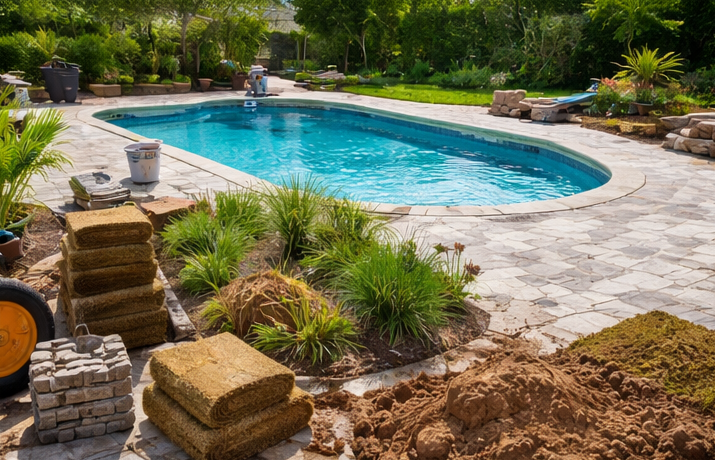
This is where things get real. The base price you’re quoted is rarely the final number.
Landscaping is one of the biggest overlooked expenses. After installation, your yard may need grading, grass replacement, or even retaining walls. That alone can add several thousand dollars.
Then there’s decking or patio space. Most people don’t want a pool sitting in bare dirt. Adding a surrounding surface like concrete or pavers can cost anywhere from $5,000 to $20,000. If you’re planning this step, it helps to review a detailed breakdown like this patio installation cost guide to avoid underestimating.
Drainage is another common surprise. Pools can disrupt how water flows through your yard. Without proper drainage, you could end up with pooling water or even foundation issues. Many homeowners end up adding solutions similar to those explained in this yard drainage system cost guide.
And don’t forget fencing. In most US states, it’s legally required for safety. That’s another $1,500 to $10,000 depending on materials and layout.
It’s not just about building the pool it’s about making the whole space functional.
Maintenance and Long-Term Costs
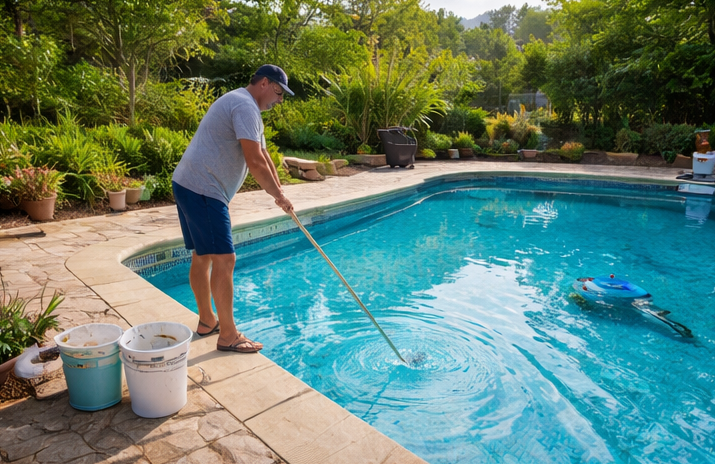
Installing a pool is one thing. Keeping it running is another story.
On average, homeowners spend $1,200 to $2,500 per year on maintenance. That includes chemicals, cleaning, minor repairs, and utilities. Heated pools or larger systems can push that number higher.
Over time, repairs become part of the picture. Pumps wear out. Filters need replacement. Vinyl liners degrade. Even concrete pools may need resurfacing after 10–15 years.
Energy costs are another factor. Running a pool pump daily adds to your electricity bill, especially in warmer states where pools are used more often.
Imagine this: it’s mid-July, the pool looks perfect, but your filter system suddenly fails. That’s not just inconvenient it’s an unexpected expense. Planning for these moments upfront makes a big difference.
Choosing the Right Option for Your Lifestyle
At the end of the day, the right pool isn’t just about cost it’s about how you’ll actually use it.
If you want something simple for cooling off during hot summers, an above ground pool might be more than enough. It’s affordable, quick to install, and easy to maintain.
If you’re thinking about entertaining, adding home value, or creating a long-term outdoor space, an inground pool makes more sense. It integrates better with landscaping and opens the door for features like built-in seating, lighting, and custom shapes.
Some homeowners even pair their pool with upgraded outdoor areas, like decks or lounge spaces. If that’s part of your plan, reviewing something like this deck repair and replacement cost guide can help you budget realistically.
Picture your typical weekend. Are you hosting friends Relaxing with family Or just looking for a quiet place to unwind? The answer often points you toward the right investment.
A pool can completely change how you use your home. But the smartest decisions come from understanding the full picture not just the sticker price.
Once you see how all the pieces connect, planning your pool project becomes a lot more manageable and a lot less stressful.