buildcostguide.site – Learn how retaining wall repair cost varies in the US based on materials, damage severity, and repair methods, with practical insights to plan your budget.
A retaining wall rarely fails overnight. It starts small. Maybe you notice a slight lean while mowing the lawn, or a few cracks that weren’t there last summer. Then one day, after a heavy rain, the wall looks… off. That’s usually when homeowners start asking the same question how much is this going to cost to fix
Understanding retaining wall repair cost isn’t always straightforward. Prices can vary widely depending on materials, structural issues, and even what’s happening behind the wall. And if you wait too long, what could have been a simple fix can quickly turn into a major project.
Let’s break it down in a way that actually makes sense for real homeowners dealing with real situations.
What Drives Retaining Wall Repair Cost in the US
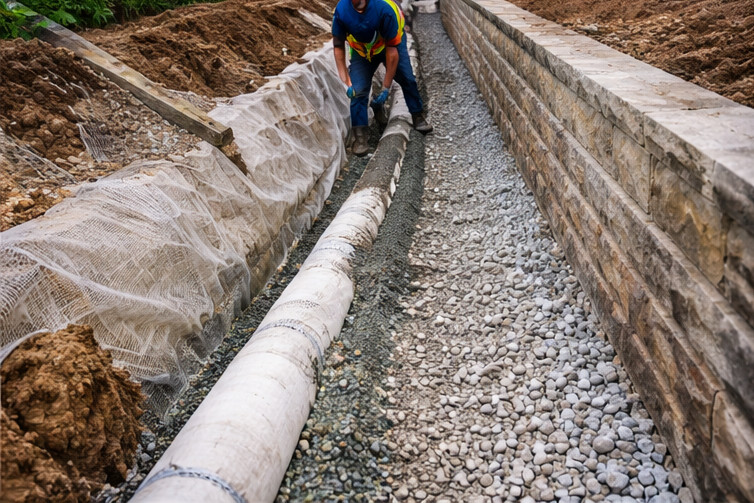
In many cases, the cost isn’t just about what you see it’s about what’s happening underneath and behind the wall.
A small crack in a concrete retaining wall might cost a few hundred dollars to seal. But if that crack is caused by soil pressure or poor drainage, you’re looking at something more involved. Repairs can range anywhere from $500 to over $10,000 depending on the severity.
Material plays a huge role here. Timber walls tend to be cheaper to repair but may need more frequent fixes over time. On the other hand, stone or concrete walls cost more upfront but often last longer with proper maintenance.
Have you ever noticed how some walls start leaning after heavy rain That’s usually not a coincidence. Water buildup behind the wall creates pressure, and without proper drainage, the structure begins to fail. This is why many repairs end up overlapping with drainage improvements.
If you want a broader perspective on how these costs compare to other home fixes, it helps to explore a complete home repair cost breakdown in the US to see where retaining walls fit in your overall budget planning.
Common Types of Retaining Wall Damage and Their Costs
Not all damage is created equal. Some issues are cosmetic, while others point to structural problems that need immediate attention.
Cracks are usually the first sign. Hairline cracks might only cost $300 to $800 to repair, especially if caught early. But wider cracks often mean the wall is shifting, and that can push costs into the $1,000 $3,000 range.
Bulging or leaning walls are a different story. This often signals pressure from soil or water buildup. Fixing this could involve reinforcing the wall, installing anchors, or even partial reconstruction. Costs here typically range from $2,000 to $8,000.
Then there’s complete failure when a section collapses or is on the verge of it. At that point, repairs might look more like replacement, with costs climbing beyond $10,000 depending on size and materials.
Think about a typical backyard in a suburban US home. A homeowner might ignore a slight tilt for months, assuming it’s normal settling. Then after one storm, the wall shifts dramatically. What could have been a minor repair suddenly becomes a major project.
That’s the pattern you want to avoid.
Material Matters Cost Differences by Wall Type
The type of retaining wall you have directly impacts how much you’ll pay for repairs.
Timber retaining walls are common in older homes. They’re affordable upfront, but they’re vulnerable to rot, especially in wetter climates. Repairs might cost $500 to $2,500 depending on how much of the structure is affected.
Concrete walls are more durable but harder to fix. Cracks, spalling, or structural issues can cost anywhere from $1,000 to $6,000. If reinforcement is needed, the price climbs quickly.
Natural stone walls sit on the higher end. Repairs often involve skilled labor to match existing stonework, and costs can range from $2,000 to $7,500 or more. The upside is they tend to blend better visually after repairs.
Segmental block walls those interlocking concrete blocks you see in many modern yards are somewhere in the middle. They’re easier to repair in sections, which can help control costs.
Now, here’s something homeowners often overlook: sometimes the wall itself isn’t the real issue. The problem might be tied to foundation movement. If that’s the case, understanding foundation repair costs by damage severity can give you a clearer picture of what’s actually going on.
Structural Fixes That Increase the Total Cost
This is where retaining wall repair cost can escalate quickly.
If the issue is purely cosmetic, repairs stay relatively affordable. But once structural fixes are involved, you’re dealing with labor, engineering, and sometimes excavation.
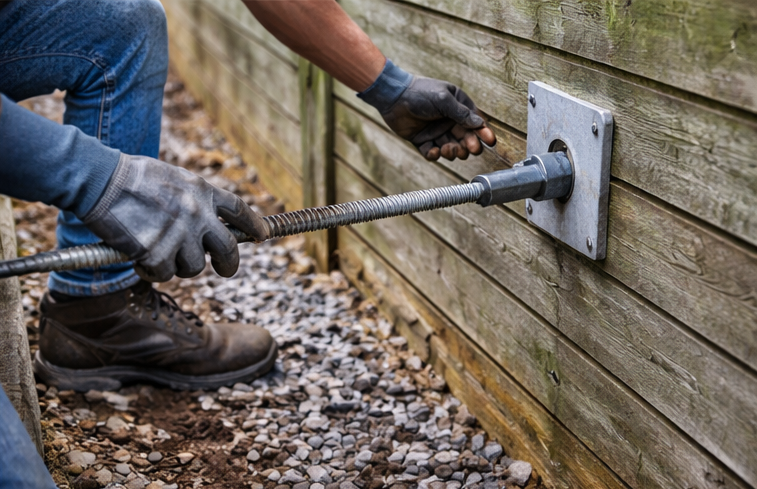
One common fix is installing anchors or tiebacks. These stabilize a leaning wall by securing it into the soil behind. Costs typically range from $1,500 to $5,000 depending on how many anchors are needed.
Rebuilding sections of the wall is another major expense. This might involve removing damaged portions, reinforcing the base, and reconstructing with better materials. Costs can easily reach $5,000 to $12,000.
Drainage improvements are often part of structural repairs. Without proper drainage, any fix is temporary at best. Adding weep holes, gravel backfill, or drainage pipes can add $1,000 to $4,000 to the project.
Picture this: after a week of heavy rain, water saturates the soil behind your wall. There’s nowhere for it to go. Pressure builds, and the wall starts to bow. You fix the wall but skip the drainage. A year later, you’re dealing with the same issue again.
That’s why many contractors strongly recommend pairing structural repairs with proper drainage solutions. If you’re dealing with water issues, it’s worth reviewing yard and foundation drainage system costs to understand what a long-term fix might look like.
Labor, Location, and Hidden Costs Homeowners Miss
Labor costs can vary significantly depending on where you live in the US. Urban areas and regions with higher living costs tend to have higher contractor rates.
For example, repairing a retaining wall in California or the Northeast might cost noticeably more than in parts of the Midwest or South. Accessibility also matters. If your wall is in a tight backyard with limited equipment access, labor costs go up.
Permits and engineering assessments are another factor. For larger or structural repairs, you may need a structural engineer to evaluate the wall. That alone can cost $300 to $1,000.
Then there are hidden costs. Soil replacement, landscaping repairs, or removing debris can quietly add hundreds or even thousands to your total bill.
Have you ever started a home project thinking it would be simple, only to uncover more issues halfway through? Retaining wall repairs often follow that exact pattern.
That’s why getting a detailed estimate upfront and asking the right questions can save you from surprises later.
When It Makes More Sense to Replace Instead of Repair
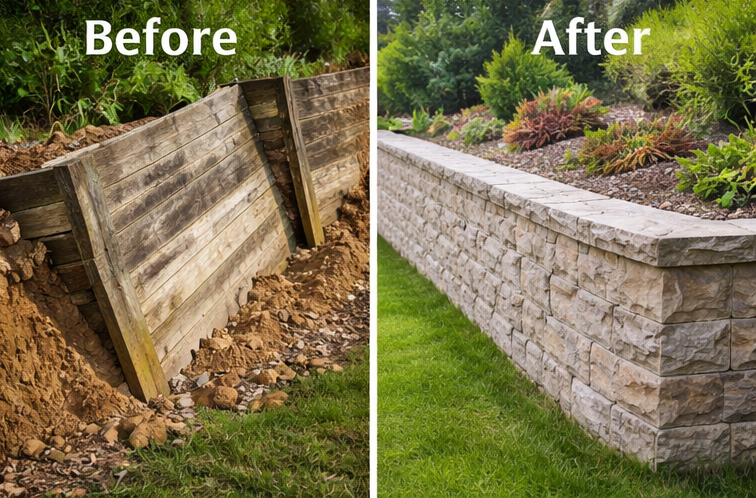
At some point, repairing a retaining wall stops being cost-effective.
If repair costs exceed 50% of replacement, many contractors will recommend starting fresh. This is especially true for older timber walls or severely damaged structures.
Replacement allows you to upgrade materials, improve drainage, and fix underlying issues in one go. While the upfront cost is higher, it often saves money long-term.
Let’s say your repair estimate comes in at $8,000, but a full replacement is $12,000. It might feel like a big jump, but if the new wall lasts decades with fewer maintenance issues, the math starts to make sense.
There’s also peace of mind. A fully rebuilt wall with proper engineering and drainage is far less likely to fail unexpectedly.
And if you’ve ever dealt with emergency repairs after a wall collapse, you know how stressful and expensive that can be.
Retaining walls are one of those things you don’t think about until something goes wrong. But once they start failing, the cost and complexity can escalate quickly.
Catching issues early, understanding what drives repair costs, and addressing root causes especially drainage can make a huge difference. And in many cases, a proactive fix today can save you thousands down the road.