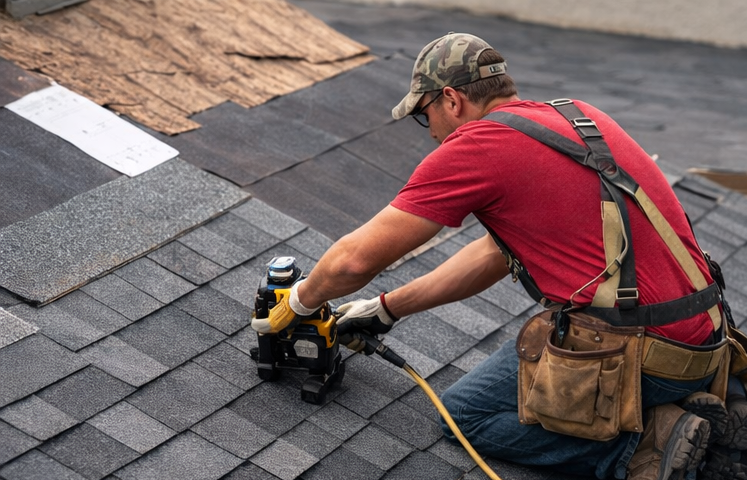
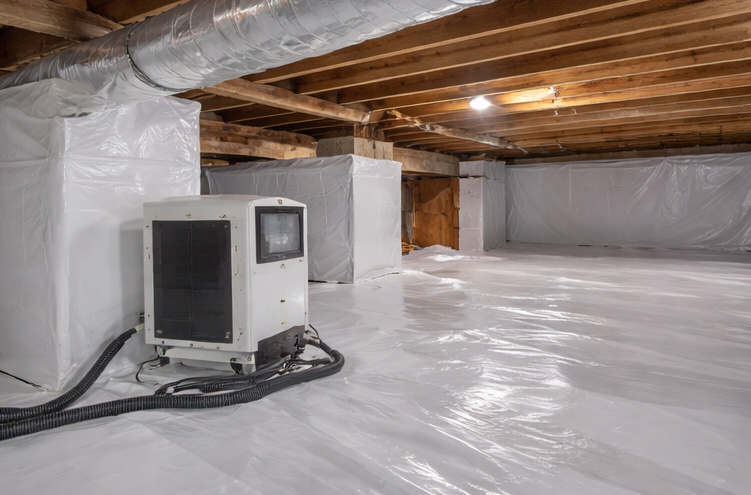
buildcostguide.site – Storm damage repair cost in the US varies widely based on damage type, materials, and insurance coverage, with most repairs ranging from minor fixes to major structural work.
Storm damage repair cost is one of the most unpredictable expenses homeowners face in the United States. A single storm can cause anything from minor cosmetic issues to extensive structural damage, and the financial impact often depends on both the severity of the event and the condition of the home beforehand.
While insurance can offset a portion of these costs, coverage is rarely straightforward. Understanding typical price ranges—and what drives them—can help homeowners better anticipate out-of-pocket expenses and avoid costly surprises.
Average Cost Range for Storm Damage Repairs
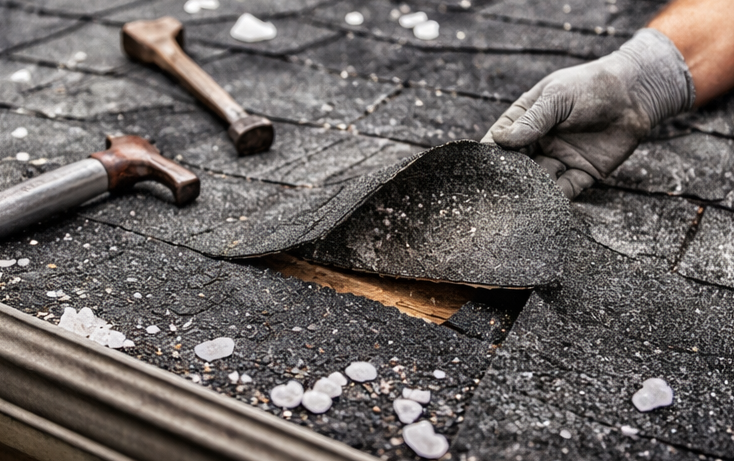
Storm-related repairs can range from a few hundred dollars to well over $30,000, depending on the scope of damage. Minor repairs—such as replacing a few shingles or fixing a damaged section of gutter—may cost between $300 and $1,500.
Moderate damage, including partial roof repairs, siding replacement, or water damage remediation, typically falls between $2,000 and $10,000. More severe cases, such as structural damage from fallen trees or flooding, can easily exceed $20,000.
In extreme situations involving major structural repairs or full exterior restoration, costs may climb beyond $50,000. These higher-end scenarios often involve multiple systems—roofing, siding, insulation, and interior finishes—being repaired simultaneously.
Insurance plays a significant role here, but deductibles, coverage limits, and exclusions often determine how much the homeowner ultimately pays.
Cost Breakdown by Type of Storm Damage
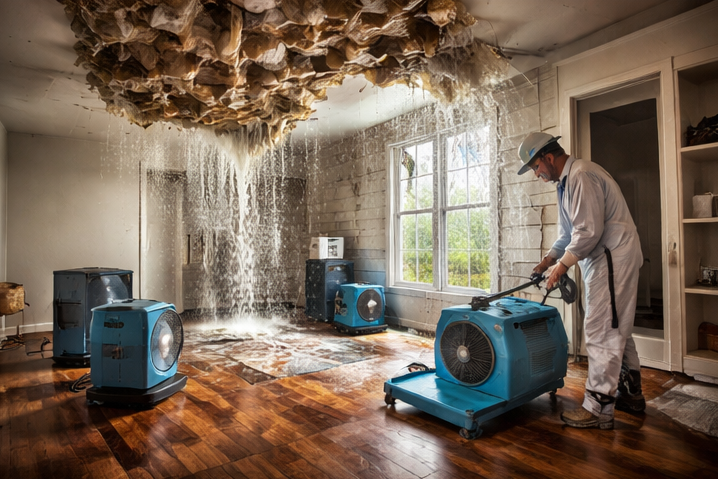
Different types of storm damage carry very different repair costs. Wind, hail, and water each affect homes in distinct ways.
Wind Damage
Wind damage commonly affects roofing materials, siding panels, and outdoor structures. Repairs for minor wind damage typically start around $500, while more extensive roof repairs can reach $8,000 or more.
If large sections of roofing are compromised, homeowners may need to consider a full replacement rather than patchwork fixes. In these cases, referencing typical pricing trends for a full roof replacement project can help set realistic expectations.
Hail Damage
Hail can cause widespread but less immediately visible damage. Dented gutters, cracked shingles, and compromised siding are common outcomes.
Costs for hail damage repairs often range between $1,500 and $12,000, depending on how many surfaces are affected. Even when damage appears minor, insurers may require a full replacement of certain materials to maintain structural integrity.
Water and Flood Damage
Water damage tends to be the most expensive category due to its cascading effects. Moisture intrusion can lead to mold, insulation damage, and structural weakening.
Basic water cleanup and drying may cost $1,000 to $4,000. However, if flooding affects flooring, drywall, or electrical systems, total costs can exceed $15,000.
Unlike wind and hail damage, flood-related repairs are often not covered under standard homeowners insurance policies, requiring separate flood insurance.
Factors That Affect the Cost
Storm damage repair costs are rarely uniform. Several variables influence the final price, even for similar types of damage.
Severity and Scope of Damage
The most obvious factor is how extensive the damage is. A localized issue—such as a few missing shingles—will cost significantly less than widespread structural compromise.
Damage that affects multiple systems simultaneously (roof, siding, windows) increases both labor and material costs.
Type of Materials Used
Material choice has a direct impact on cost. Asphalt shingles are relatively inexpensive to repair or replace, while metal roofing or fiber cement siding can significantly increase overall expenses.
Homeowners with higher-end materials often face higher repair costs, even for minor damage.
Home Size and Design Complexity
Larger homes naturally require more materials and labor. Additionally, complex rooflines, multiple stories, or hard-to-access areas can increase labor time and safety requirements.
These factors can raise costs by 20% to 50% compared to simpler structures.
Geographic Location
Labor rates and material costs vary across the US. Urban areas and regions prone to frequent storms—such as coastal states—often have higher repair costs due to increased demand and stricter building codes.
Local permitting requirements may also add to the overall expense.
Labor Cost Considerations
Labor is a substantial portion of storm damage repair cost, often accounting for 40% to 60% of the total project.
Roofing labor typically ranges from $50 to $120 per hour, depending on the region and complexity of the job. Specialized repairs, such as structural framing or electrical work, can command even higher rates.
Emergency repairs—especially those performed immediately after a storm—often come with premium pricing. Contractors may charge higher rates due to urgency, limited availability, and hazardous working conditions.
Additionally, some projects require multiple specialists. For example, water damage restoration may involve plumbers, electricians, and mold remediation experts, each contributing to the total labor cost.
Repair vs Replacement Cost Comparison
One of the most important decisions homeowners face after storm damage is whether to repair or fully replace affected components.
Repairs are typically less expensive upfront. Fixing a small section of siding or patching a roof leak can cost a fraction of a full replacement. However, repairs may not always address underlying damage.
In cases where damage is widespread or materials are nearing the end of their lifespan, replacement may be more cost-effective in the long term.
For example, siding that has sustained extensive storm damage may require full replacement rather than partial repair. Understanding typical pricing for complete exterior siding updates can help homeowners evaluate this decision more realistically.
Insurance companies often influence this choice. If damage exceeds a certain threshold, insurers may approve full replacement instead of partial repairs to ensure compliance with current building standards.
Situations That Increase the Project Cost
Certain conditions can significantly raise the total cost of storm damage repairs, even when the visible damage appears manageable.
Delayed Repairs
Waiting too long to address storm damage can lead to secondary issues such as mold growth, rot, or structural weakening. These additional problems can multiply the original repair cost.
Hidden Damage
Not all storm damage is immediately visible. Water intrusion behind walls or under roofing materials can go unnoticed until it becomes severe.
Professional inspections often reveal hidden issues that add to the scope—and cost—of repairs.
Code Upgrades
In some cases, repairs must comply with updated building codes. This can require additional materials or modifications, such as improved insulation or reinforced structures.
These upgrades are not always fully covered by insurance, leading to higher out-of-pocket expenses.
Debris Removal and Cleanup
Storms often leave behind significant debris, including fallen trees and damaged materials. Cleanup alone can cost anywhere from $500 to $5,000, depending on the scale.
If gutters are heavily damaged during debris impact, replacement costs may align with typical pricing for new gutter system installation.
What Insurance Typically Covers
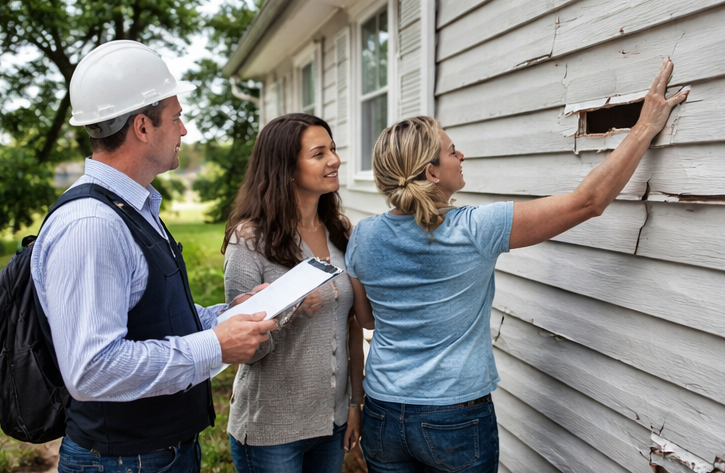
Insurance coverage for storm damage varies widely depending on the policy, but most standard homeowners insurance plans cover wind and hail damage.
This typically includes:
Roof damage caused by wind or hail
Siding and exterior damage
Broken windows due to debris
Interior damage resulting from covered exterior breaches
However, coverage is subject to deductibles and policy limits. Deductibles for storm damage are often higher than standard deductibles, particularly in high-risk areas.
Flood damage is a major exception. Standard policies generally do not cover flooding, requiring separate flood insurance through programs like the National Flood Insurance Program (NFIP).
Insurance may also deny claims for damage resulting from poor maintenance or pre-existing issues. For example, an aging roof that fails during a storm may not be fully covered.
Understanding the broader context of home repair and replacement cost planning can help homeowners better prepare for these gaps in coverage.
Additionally, some policies include “loss of use” coverage, which helps pay for temporary housing if the home becomes uninhabitable during repairs.
When Storm Damage Repair Becomes Necessary
Not all storm damage is immediately obvious, but certain signs indicate that repairs should not be delayed.
Visible indicators include missing shingles, dented siding, sagging gutters, and water stains on ceilings or walls. Less obvious signs may include increased energy bills due to compromised insulation or drafts caused by structural gaps.
Professional inspections are often recommended after major storms, even if damage appears minimal. Early detection can prevent minor issues from escalating into costly repairs.
In many cases, insurance claims must be filed within a specific timeframe after the storm event. Delaying inspections or documentation can reduce the likelihood of successful claims.
Ultimately, storm damage repair cost is not just about immediate fixes—it reflects a combination of material choices, labor requirements, insurance coverage, and timing. Understanding these variables allows homeowners to approach repairs with a clearer sense of both financial and structural priorities.