buildcostguide.site – Flooring replacement cost in the US ranges widely by material, labor, and project scope, typically between $6 and $25 per square foot.
Replacing flooring is one of the more visible home improvement projects, and the flooring replacement cost can vary significantly depending on the material, labor complexity, and the condition of the existing subfloor. In the U.S., homeowners often encounter a broad price range because flooring is not a one-size-fits-all upgrade. Hardwood, vinyl, and tile each come with distinct installation requirements and cost structures.
While national averages provide a helpful starting point, actual project costs often reflect a combination of material selection, home layout, and regional labor rates. Understanding how these elements interact is key to estimating a realistic budget.
Average Flooring Replacement Cost Range
Across the United States, most homeowners spend between $6 and $25 per square foot for flooring replacement, including materials and labor. For a standard 1,000-square-foot area, that translates to roughly $6,000 to $25,000 total.
Lower-end projects typically involve basic vinyl or laminate flooring installed in straightforward layouts. On the higher end, hardwood or intricate tile installations can push costs well beyond the average range, especially when subfloor repairs or custom work are required.
Material choice is often the biggest driver of price. Vinyl flooring may cost as little as $2 to $7 per square foot installed, while hardwood installations commonly range from $10 to $25 per square foot. Tile sits somewhere in the middle but can exceed hardwood pricing when using high-end materials like natural stone.
These estimates align with broader home improvement pricing trends discussed in this comprehensive overview of common home repair costs, where flooring consistently ranks as a mid-to-high investment upgrade.
Cost Per Square Foot by Flooring Type
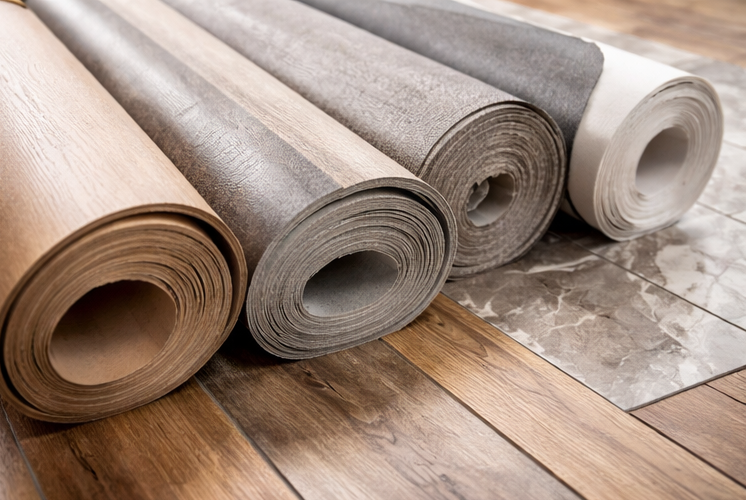
Breaking down the flooring replacement cost by material helps clarify where the money goes.
Hardwood Flooring
Hardwood remains one of the most expensive options due to both material and labor requirements.
Material cost: $5 – $15 per square foot
Installation cost: $5 – $10 per square foot
Total: $10 – $25 per square foot
Solid hardwood requires precise installation and often includes sanding and finishing, which adds to labor costs. Engineered hardwood can reduce installation complexity slightly but still falls in a similar price range.
Vinyl Flooring (LVP/LVT)
Luxury vinyl plank (LVP) and tile (LVT) have become popular due to affordability and durability.
Material cost: $2 – $6 per square foot
Installation cost: $2 – $5 per square foot
Total: $4 – $11 per square foot
Vinyl is often installed as a floating floor, which reduces labor time. This makes it one of the most cost-efficient replacement options for large areas.
Tile Flooring
Tile offers durability and moisture resistance but comes with higher labor demands.
Material cost: $3 – $12 per square foot
Installation cost: $5 – $15 per square foot
Total: $8 – $27 per square foot
Porcelain and ceramic tiles are common, while natural stone like marble or slate can significantly increase costs due to specialized installation.
Labor Cost Considerations
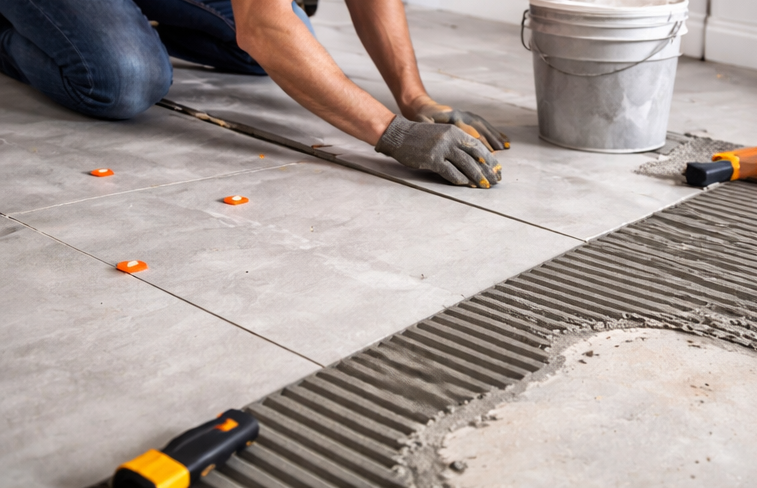
Labor typically accounts for 40% to 60% of the total flooring replacement cost, depending on the material and project complexity.
Simple installations—such as click-lock vinyl—require less time and skill, which keeps labor costs lower. In contrast, tile and hardwood installations involve more steps, including leveling, cutting, grouting, and finishing.
Labor rates vary by region. Urban areas and regions with higher living costs often have higher contractor rates. For example, flooring installation in California or New York can be 20% to 40% more expensive than in the Midwest or Southern states.
Additionally, labor costs increase when:
Furniture removal is required
Old flooring must be removed and disposed of
Subfloor repairs are needed
Layout patterns are complex (e.g., herringbone or diagonal tile)
These factors can quickly turn a straightforward project into a more labor-intensive job.
Factors That Affect Flooring Replacement Cost
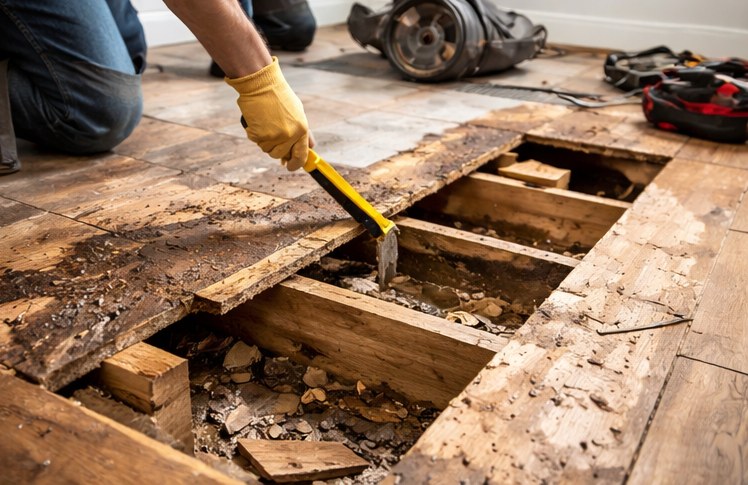
Several variables influence the final price beyond just material and labor.
Subfloor Condition
If the subfloor is damaged, uneven, or rotting, repairs are necessary before new flooring can be installed. Subfloor replacement can add $2 to $7 per square foot to the total cost.
Room Type
Different rooms have different requirements. Kitchens and bathrooms often need moisture-resistant materials, which can limit choices and increase costs.
For example, flooring upgrades are frequently bundled into broader renovation projects, such as those outlined in this breakdown of bathroom renovation pricing tiers, where flooring represents a significant portion of finishing expenses.
Floor Layout and Size
Larger, open spaces are generally cheaper per square foot because they require fewer cuts and less labor. Smaller or irregularly shaped rooms increase installation time and waste.
Material Quality
Within each flooring category, quality varies widely. Entry-level vinyl may cost half as much as premium brands with enhanced wear layers. Similarly, hardwood species like oak are more affordable than exotic woods like Brazilian cherry.
Removal of Existing Flooring
Removing old flooring adds both labor and disposal costs. Carpet removal is relatively inexpensive, while tile or glued-down hardwood can be more labor-intensive and costly to remove.
Repair vs Replacement Cost Comparison
In some cases, repairing existing flooring may be more cost-effective than full replacement.
Hardwood refinishing: $3 – $8 per square foot
Tile repair: $150 – $600 per localized fix
Vinyl patching: $100 – $300 for small areas
Refinishing hardwood can extend its lifespan by decades at a fraction of replacement cost. However, repairs are only viable when the underlying structure is still in good condition.
Replacement becomes necessary when:
Water damage has compromised the subfloor
Flooring materials are warped or cracked extensively
Multiple repairs would exceed the cost of new installation
In kitchens, for instance, flooring replacement is often coordinated with cabinetry updates. Costs can escalate when both elements are addressed together, as explained in this analysis of cabinet replacement pricing differences, where flooring adjustments frequently accompany layout changes.
Situations That Increase the Project Cost
Certain scenarios can push flooring replacement costs beyond typical ranges.
Structural Issues
If the home has structural movement or uneven joists, leveling the floor can add significant expense. This type of work may require specialized contractors.
Moisture Problems
Basements or bathrooms with moisture issues may require vapor barriers, waterproof membranes, or specialized materials, increasing both material and labor costs.
Custom Design Features
Patterns such as herringbone, chevron, or mosaic tile layouts require more precise cutting and planning. These designs can increase labor costs by 20% to 50%.
Accessibility Challenges
Homes with limited access, multiple levels, or tight stairways can increase labor time. Transporting materials and equipment becomes more difficult, especially in older properties.
High-End Materials
Premium materials like wide-plank hardwood, natural stone, or imported tile can significantly exceed standard pricing ranges. These materials often require skilled labor, further increasing costs.
When Flooring Replacement Becomes Necessary
Flooring doesn’t always need immediate replacement, but certain signs indicate it may be unavoidable.
Visible wear—such as deep scratches, cracks, or stains—is one of the most obvious indicators. In hardwood floors, excessive squeaking or movement can signal structural issues beneath the surface.
Moisture damage is another common reason for replacement. Warping, mold, or soft spots in the floor often point to underlying problems that cannot be resolved with simple repairs.
Age also plays a role. While hardwood can last decades with proper maintenance, vinyl and laminate flooring typically have shorter lifespans. Once these materials begin to deteriorate, replacement is usually more practical than repair.
In many cases, flooring replacement is driven not just by necessity but by functionality and design updates. Homeowners may choose to replace flooring to improve durability, match new interior styles, or increase property value.
Understanding the full scope of flooring replacement cost helps set realistic expectations and prevents unexpected expenses. By considering material choices, labor requirements, and hidden factors like subfloor condition, homeowners can approach the project with a clearer financial picture.