buildcostguide.site – Bathroom remodeling cost in the US ranges widely based on scope, materials, and labor, with clear differences between budget, mid-range, and luxury projects.
Bathroom remodeling cost is one of the most variable home improvement expenses in the United States, largely because no two projects are exactly alike. A simple cosmetic refresh can cost a few thousand dollars, while a full luxury renovation may reach well into six figures. Understanding where your project falls on that spectrum—and why—can help you set realistic expectations before work begins.
Unlike smaller repairs, bathroom remodels combine plumbing, electrical work, finishes, and sometimes structural changes. Each layer adds complexity and cost, which is why even modest upgrades can escalate quickly.
Average Cost Range
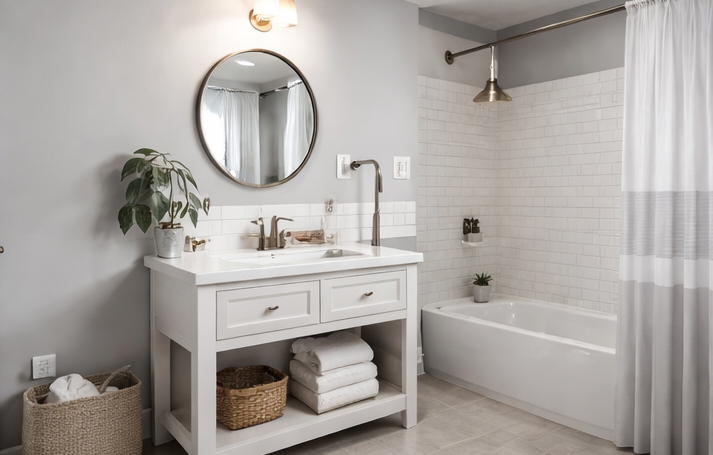
Across the U.S., most homeowners spend between $6,000 and $30,000 on a bathroom remodel. However, that range widens significantly depending on the level of renovation:
Budget remodel: $6,000 – $12,000
Mid-range remodel: $12,000 – $25,000
Luxury remodel: $30,000 – $75,000+
A budget remodel typically focuses on surface-level updates—new fixtures, fresh paint, and possibly a prefabricated vanity. Mid-range projects often include tile replacement, upgraded plumbing fixtures, and semi-custom cabinetry. Luxury remodels, on the other hand, may involve layout changes, high-end materials, and custom-built features.
The wide gap between these tiers is driven less by square footage and more by material choices and labor intensity.
Cost Per Square Foot
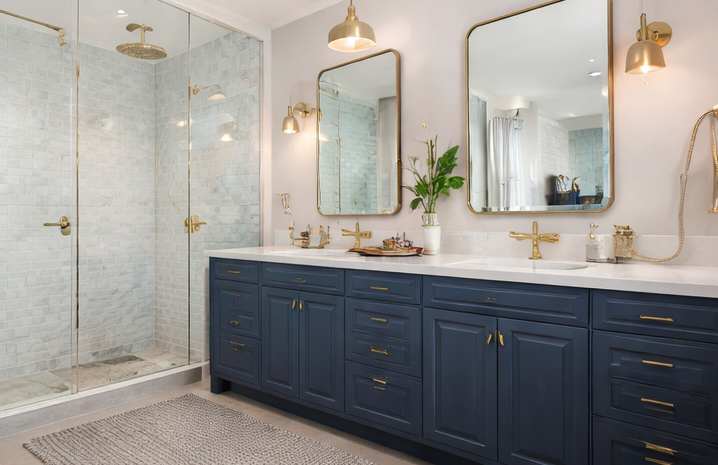
While bathroom remodeling is not always priced strictly by square footage, it provides a useful benchmark. Most projects fall within:
$70 to $250 per square foot for standard remodels
$300+ per square foot for high-end renovations
Small bathrooms can sometimes cost more per square foot because labor and fixture costs don’t scale down proportionally. For example, installing a toilet or shower requires similar labor whether the room is compact or spacious.
In luxury remodels, costs rise quickly due to premium materials such as natural stone tile, frameless glass enclosures, and custom cabinetry.
Factors That Affect Bathroom Remodeling Cost
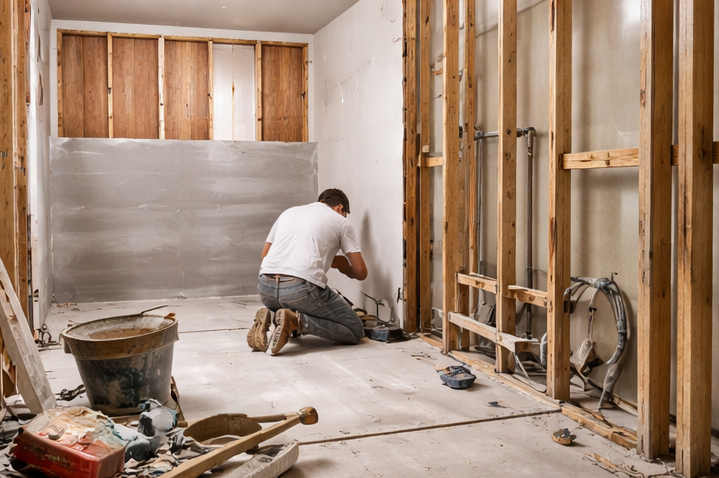
Several variables determine where your project lands within the cost range.
Scope of Work
A cosmetic refresh is significantly cheaper than a full gut renovation. Keeping the existing layout—especially plumbing lines—can reduce costs by thousands of dollars.
Material Selection
Materials often account for 40% to 60% of the total project cost. For example:
Standard ceramic tile vs. natural stone
Stock vanities vs. custom cabinetry
Acrylic tubs vs. cast iron or freestanding soaking tubs
Even small upgrades, like switching to premium fixtures, can noticeably increase the overall price.
Plumbing and Electrical Changes
Relocating plumbing fixtures such as sinks, toilets, or showers requires additional labor and materials. Electrical upgrades, including new lighting layouts or ventilation systems, also add to the cost.
In some cases, related upgrades—like replacing an aging water heater—can overlap with bathroom work, which is why it helps to understand how broader home systems factor into pricing through resources like this breakdown of home repair and replacement costs.
Permits and Code Compliance
Older homes may require updates to meet current building codes. This can include:
Upgrading ventilation
Installing GFCI outlets
Adjusting plumbing to meet modern standards
Permit fees themselves are usually modest, but required upgrades can add significant cost.
Labor Cost Considerations
Labor typically accounts for 40% to 65% of the total bathroom remodeling cost, depending on the complexity of the project.
Skilled Trades Involved
A full remodel may require multiple professionals:
Plumbers
Electricians
Tile installers
Carpenters
General contractors
Each trade has its own hourly rate, and coordination between them can affect both timeline and cost.
Regional Price Differences
Labor rates vary significantly by location. Urban areas and regions with a higher cost of living—such as California or the Northeast—tend to have higher contractor rates than rural or Midwestern areas.
Project Timeline
Longer projects increase labor costs, especially if delays occur due to material availability or unexpected structural issues. Bathrooms are particularly sensitive to delays because multiple trades must work in sequence.
Repair vs Replacement Cost Comparison
In some situations, a full remodel may not be necessary. Targeted repairs or partial upgrades can be more cost-effective.
When Repairs Make Sense
Replacing a vanity without altering plumbing
Refinishing a bathtub instead of replacing it
Updating fixtures while keeping existing tile
These approaches can keep costs under $5,000 in many cases.
When Full Replacement Is More Practical
If multiple systems are outdated—such as plumbing, electrical, and waterproofing—a full remodel may be more economical in the long run. Piecemeal repairs can add up quickly and may not address underlying issues.
For instance, if your bathroom renovation uncovers related problems like outdated heating systems, comparing costs with other home upgrades—such as this detailed look at water heater replacement expenses—can help prioritize spending.
Situations That Increase the Project Cost
Certain conditions can push a bathroom remodel toward the higher end of the price range.
Structural Changes
Altering walls, expanding the bathroom footprint, or reconfiguring the layout adds significant cost. Structural modifications often require engineering input and additional permits.
Water Damage or Mold
Hidden damage behind walls or under flooring is a common cost driver. Repairing rot, replacing subflooring, or addressing mold can add thousands of dollars unexpectedly.
Custom Features
Luxury upgrades often include:
Walk-in showers with multiple showerheads
Heated flooring systems
Custom-built vanities
High-end lighting design
These features not only increase material costs but also require more specialized labor.
Older Homes
Homes built decades ago may have outdated plumbing or electrical systems that need to be replaced entirely. Similar to how structural issues can affect other parts of a house—such as those outlined in this overview of chimney repair pricing factors—hidden conditions can significantly impact final costs.
When a Bathroom Remodel Becomes Necessary
Not all bathroom remodels are driven by aesthetics. In many cases, they become necessary due to functional issues.
Persistent Plumbing Problems
Frequent leaks, low water pressure, or recurring clogs may indicate aging pipes that require replacement.
Failing Fixtures
Cracked tubs, deteriorating tile, or outdated toilets can lead to inefficiency and potential water damage.
Poor Ventilation
Inadequate ventilation can cause moisture buildup, leading to mold growth and long-term structural damage.
Outdated Design and Layout
While cosmetic concerns alone may not justify a remodel, inefficient layouts—such as cramped spaces or lack of storage—can affect daily usability.
In these cases, the decision to remodel often balances immediate repair costs against the long-term benefits of a comprehensive upgrade.
Bathroom remodeling cost ultimately depends on how extensive the project is and the level of finish you choose. A clear understanding of cost tiers—budget, mid-range, and luxury—helps set expectations and avoid surprises as the project progresses.