buildcostguide.site – Ceiling repair cost in the US typically ranges from minor patching to major structural fixes, depending on damage type, labor, and materials involved.
Ceiling repair cost in the United States varies widely depending on the underlying issue, but most homeowners encounter this expense after water damage, structural wear, or aging materials begin to show visible signs. While a small patch might cost less than a few hundred dollars, more extensive repairs involving framing or insulation can quickly climb into the thousands.
Unlike other surface-level repairs, ceilings often hide deeper problems—leaks, mold growth, or compromised structural components—which can significantly influence both scope and cost. Understanding how pricing works helps homeowners evaluate estimates more realistically and avoid underestimating the extent of the repair.
Average Cost Range
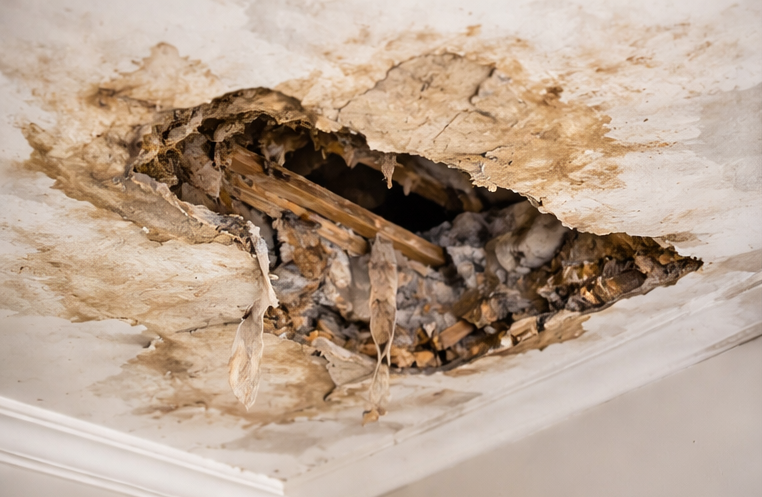
For most residential projects, ceiling repair costs typically fall between $200 and $2,500. The lower end of the range usually applies to minor cosmetic fixes, such as patching small holes or cracks in drywall. On the higher end, repairs involving water damage, sagging sections, or structural reinforcement can exceed $3,000.
In cases where the ceiling has sustained prolonged water exposure or partial collapse, costs may approach $5,000 or more. This is especially true when multiple layers—drywall, insulation, and framing—need to be replaced.
The type of ceiling also matters. Standard drywall ceilings are generally the least expensive to repair, while plaster ceilings, textured finishes, or vaulted designs tend to increase labor complexity and material costs.
Cost Per Square Foot
Contractors often estimate ceiling repair using a per-square-foot model, particularly for larger or more uniform damage.
Minor repairs: $2 to $5 per square foot
Moderate repairs: $5 to $10 per square foot
Extensive damage: $10 to $20+ per square foot
For example, repairing a 100-square-foot section of water-damaged ceiling could range from $500 to $2,000 depending on severity. Smaller repairs may not strictly follow this pricing model, as contractors often apply minimum service fees.
Square footage becomes more relevant when entire sections need replacement rather than localized patching. In those cases, costs scale more predictably with size.
Factors That Affect Ceiling Repair Cost

Several variables influence how much a homeowner ultimately pays for ceiling repair. Even projects that appear similar on the surface can differ significantly in price.
Type of Damage
Water damage is one of the most common—and costly—issues. It often requires more than just replacing drywall, especially if moisture has spread to insulation or structural framing.
Cracks caused by settling are usually less expensive to fix, while sagging ceilings may indicate structural weakening, increasing both labor and material costs.
Source of the Problem
The root cause of the damage can significantly impact total cost. For example, a leaking pipe or roof issue must be addressed before repairing the ceiling itself. Ignoring the source often leads to recurring damage.
In situations where moisture has been present for an extended period, additional remediation may be necessary. This can overlap with costs typically associated with addressing indoor contamination, as outlined in guides like mold removal pricing by affected area size.
Ceiling Material
Drywall is relatively inexpensive and easy to repair. Plaster ceilings, on the other hand, require specialized skills and materials, often increasing labor time and cost.
Textured ceilings, including popcorn finishes, can add complexity if matching the existing texture is necessary after repairs.
Accessibility
Ceilings that are difficult to access—such as those in stairwells or high vaulted spaces—require additional equipment like scaffolding or ladders. This increases labor time and overall cost.
Labor Cost Considerations
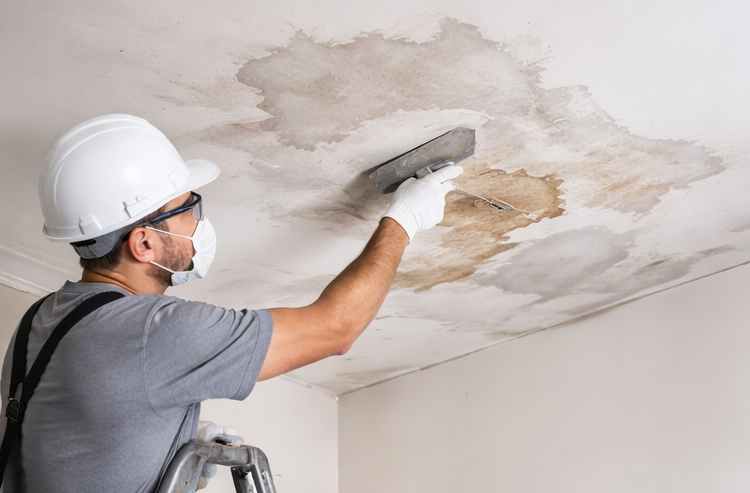
Labor is often the largest component of ceiling repair costs, accounting for 50% to 70% of the total project in many cases.
Typical contractor rates range from $50 to $100 per hour, depending on location and experience. However, specialized work—such as structural reinforcement or plaster restoration—can push rates higher.
Labor costs also increase when multiple trades are involved. For example:
Plumbers may be needed to fix leaks
Electricians may need to reroute wiring
Drywall specialists handle finishing and repainting
If the ceiling damage is caused by plumbing issues, addressing the underlying problem can add another layer of expense. Homeowners often face combined project costs similar to those discussed in typical pipe and leak repair pricing.
Repair vs Replacement Cost Comparison
In some situations, repairing a ceiling may not be the most cost-effective option. When damage is widespread or structural integrity is compromised, full replacement becomes more practical.
Repair
Best for localized damage
Lower upfront cost
Faster completion time
Typical repair costs range from $200 to $1,500 depending on scope.
Replacement
Necessary for extensive or recurring damage
Involves removing and reinstalling materials
Higher labor and material costs
Replacement projects usually start around $1,500 and can exceed $5,000, particularly for large areas or complex ceiling designs.
Deciding between repair and replacement often depends on how much of the ceiling is affected. If more than 30–40% of the surface is damaged, replacement may offer better long-term value.
Situations That Increase the Project Cost
Certain conditions can push ceiling repair costs beyond typical ranges, even for relatively small areas.
Hidden Structural Damage
What appears to be a minor surface issue may reveal damaged joists, weakened framing, or insulation problems once the ceiling is opened. These hidden issues can significantly expand the project scope.
Mold and Moisture Spread
If water damage has gone unnoticed, mold growth may be present behind the ceiling. This requires additional remediation before repairs can proceed safely.
Electrical Complications
Ceilings often house wiring, lighting fixtures, and HVAC components. Repairing damage around these systems may require temporary removal or rerouting, increasing both time and cost.
Matching Existing Finishes
Older homes may have unique textures or finishes that are difficult to replicate. Achieving a consistent appearance after repair can require additional labor and materials.
When Ceiling Repair Becomes Necessary
Ceiling damage is not always immediately obvious, but several warning signs indicate that repair is needed.
Water stains are among the most common indicators. Even small discolorations can signal an active leak that will worsen over time.
Other signs include:
Cracks spreading across the ceiling surface
Peeling paint or bubbling drywall
Sagging or uneven sections
Visible mold or musty odors
Delaying repairs often leads to higher costs later, especially if the underlying issue continues to cause damage. In many cases, ceiling problems are part of a broader pattern of home maintenance needs, which are typically addressed within a larger framework like this comprehensive home repair cost overview.
Understanding when to act—and what drives the cost—can help homeowners make more informed decisions and avoid unnecessary expenses.