buildcostguide.site – A detailed look at exterior painting cost in the US, including labor, materials, preparation work, and the factors that influence total project pricing.
Exterior painting is one of the most common maintenance projects for homeowners in the United States. Fresh paint protects siding from weather exposure, extends the lifespan of exterior materials, and improves curb appeal. Yet the total price of the project often varies more than many homeowners expect.
The reason is that exterior painting cost is not determined by paint alone. Labor, surface preparation, accessibility, and siding type all play a significant role in shaping the final estimate. Understanding how these components interact makes it easier to interpret contractor quotes and plan a realistic renovation budget.
Below is a detailed breakdown of how exterior painting costs are typically structured in the U.S. residential market.
Average Exterior Painting Cost for US Homes
For most single-family homes, professional exterior painting typically costs between $4,000 and $12,000. Smaller homes with minimal preparation may fall closer to the lower end of the range, while large multi-story properties with complex surfaces can exceed it.
Pricing is usually calculated based on the square footage of paintable surface area, rather than total house size. Contractors often estimate between $2.50 and $6.00 per square foot for a completed exterior paint job.
However, several structural characteristics can influence the price:
Number of stories
Architectural complexity
Type of siding material
Condition of the existing paint
Amount of preparation work required
For example, a simple single-story ranch home with vinyl siding will generally cost far less to paint than a two-story house with wood siding that requires scraping and repairs.
Exterior painting also sits within a broader category of maintenance expenses that homeowners face over time. When evaluating renovation budgets, it helps to understand the broader home repair and replacement cost landscape because painting often coincides with other exterior upgrades.
Labor Costs: The Largest Portion of the Budget
Labor is typically the largest component of an exterior painting project. In many cases, 60–70% of the total cost goes toward labor rather than materials.
Professional painters charge either:
A flat project price
A per-square-foot rate
A daily crew rate for complex jobs
Most residential crews include two to four workers, and the timeline for a typical home ranges from three to seven days, depending on surface preparation requirements and weather conditions.
Why Labor Costs Vary So Much
Exterior painting labor involves more than simply applying paint to siding. A significant portion of time is spent on preparation tasks such as:
Pressure washing surfaces
Scraping peeling paint
Sanding rough areas
Filling cracks or gaps
Masking windows and trim
Preparation is particularly time-consuming for homes with older paint layers or wood siding that has begun to deteriorate.
Accessibility also matters. Painting a two-story home often requires ladders, scaffolding, or lift equipment, which increases both labor time and safety considerations.
In regions with higher living costs—such as coastal states or large metropolitan areas—labor rates for painting contractors can be substantially higher than the national average.
Material Costs: Paint, Primer, and Supplies
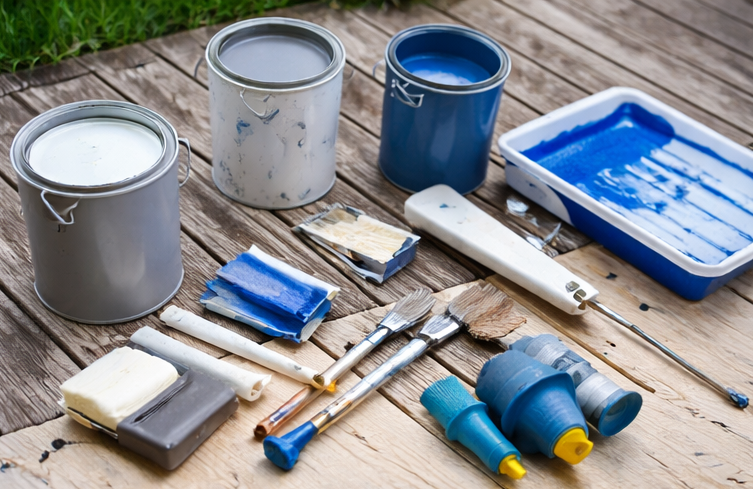
While labor dominates the budget, materials still account for a meaningful portion of exterior painting cost.
Professional painters typically include materials in their project estimates. These materials generally include:
Exterior paint
Primer
Caulking
Masking tape and coverings
Sandpaper and patching materials
Paint Quality and Price Differences
Exterior paint prices vary widely depending on durability and brand tier. On average:
Standard exterior paint: $30–$50 per gallon
Premium exterior paint: $60–$100+ per gallon
Most homes require 15–30 gallons of paint depending on size and number of coats applied.
Higher-end paints often contain better UV resistance, mildew protection, and longer fade durability. Although they increase material costs, they may extend the lifespan of the paint job by several years.
This trade-off is one reason contractors often recommend mid-to-premium paint products rather than the least expensive options.
Primer and Surface Compatibility
Primer is sometimes overlooked in cost estimates, but it plays an important role when surfaces are:
Previously unpainted
Heavily weathered
Switching from dark to light colors
Homes with exposed wood or patched siding often require a full primer coat before the final paint layers are applied.
Surface Preparation and Repair Costs
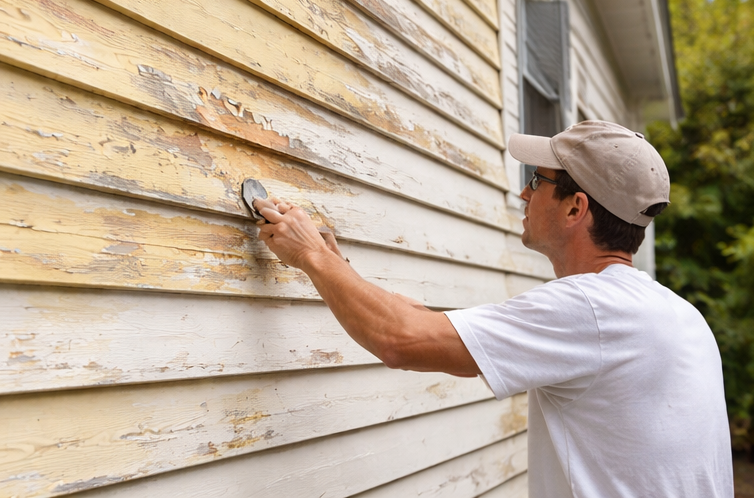
Preparation work can significantly increase exterior painting cost when surfaces are in poor condition.
If siding shows signs of peeling, cracking, or moisture damage, painters may recommend repairs before applying new paint. Without proper preparation, new paint may fail prematurely.
Common preparation steps include:
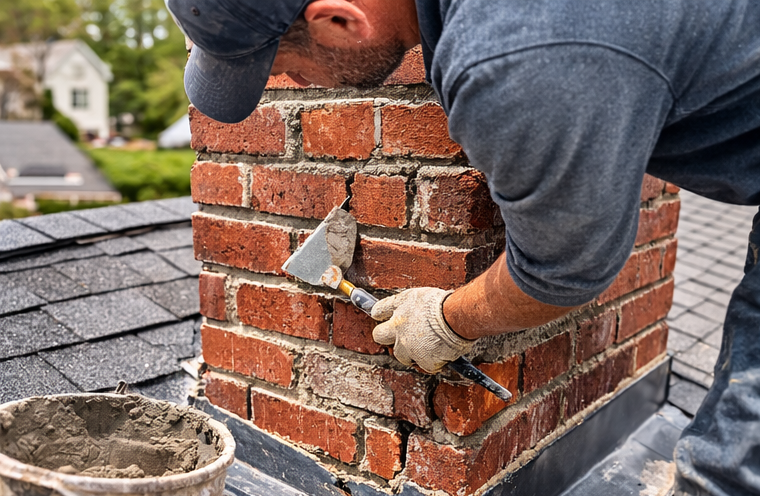
Scraping and sanding peeling paint
Filling holes or small cracks
Re-caulking trim joints
Replacing small damaged boards
In some cases, preparation work reveals deeper structural issues.
For example, deteriorated siding may need partial replacement before painting. When that happens, homeowners sometimes compare the cost of painting against more extensive exterior upgrades. Understanding the pricing differences between materials can help, especially when reviewing options such as those discussed in this breakdown of exterior siding replacement price comparisons.
If siding damage is widespread, repainting alone may only serve as a temporary solution.
How Home Size and Architecture Affect Pricing
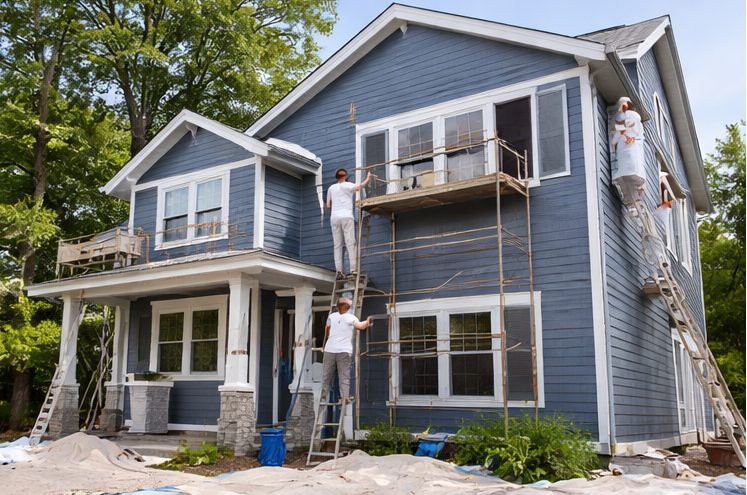
The physical structure of a house strongly influences the total painting cost.
Two homes with the same square footage can require very different amounts of labor depending on their exterior design.
Multi-Story Homes
Two- and three-story homes require additional equipment and safety precautions. Painters may need scaffolding, extension ladders, or mechanical lifts to reach upper sections of the structure.
This added complexity increases both labor time and insurance risk for contractors, which is reflected in higher estimates.
Architectural Features
Certain architectural details require more time and precision:
Decorative trim
Dormers
Shutters
Multiple rooflines
Textured surfaces
Each feature increases the total surface area that must be prepared and painted.
Homes with extensive trim or detailed woodwork often require meticulous brushwork rather than faster spray methods.
Detached Structures
Exterior painting projects sometimes include additional structures on the property, such as garages, sheds, or fences.
Fences in particular can add noticeable labor hours because of their long linear surface area and numerous edges. When homeowners evaluate renovation budgets, the price differences between painting and replacement often become relevant, especially when reviewing estimates like those outlined in guides covering typical fence replacement expenses across common materials.
In some cases, replacing an aging fence may be more practical than repainting it.
Regional Price Differences Across the US
Exterior painting cost also varies significantly by region.
Labor rates tend to be higher in states with higher construction wages and living costs. For example:
West Coast states often report higher contractor rates
Northeastern metropolitan areas also tend to have elevated labor costs
Midwestern and Southern regions sometimes fall closer to national averages
Climate also affects project pricing.
Homes in regions with intense sun exposure, heavy rainfall, or coastal salt air often require specialized paint products designed for durability. These materials can increase costs but are necessary for long-term performance.
Weather patterns also influence scheduling. Short painting seasons in colder states may concentrate demand into a smaller window, sometimes increasing contractor availability constraints during peak months.
Timing and Project Planning Considerations
Seasonal demand can subtly influence pricing as well.
Exterior painting typically peaks during late spring through early fall, when weather conditions are most stable for paint curing. Contractors are often busiest during this window, which may reduce flexibility in scheduling.
Homeowners who plan projects during early spring or late fall sometimes encounter slightly more availability.
Weather conditions also affect how quickly work progresses. Exterior paint requires dry surfaces and moderate temperatures to adhere properly. Extended rain or sudden temperature drops can delay projects and extend labor timelines.
Because of these variables, professional estimates usually include buffer time for potential weather interruptions.
Exterior painting cost ultimately reflects a combination of labor intensity, material quality, preparation work, and structural complexity. While square footage provides a rough starting point, the true price of a project often emerges only after evaluating the condition and design of the home itself.
For homeowners planning exterior maintenance, understanding these cost components helps clarify why contractor estimates differ—and what factors are actually driving the numbers behind them.