buildcostguide.site – Crawl Space Repair Cost in the US varies widely depending on moisture damage, insulation problems, and structural repairs that affect overall project complexity.
Homes across the United States often rely on crawl spaces as a practical foundation design. The structure lifts the house slightly above the ground, allowing access to plumbing, wiring, and ventilation systems. In theory, the design simplifies maintenance.
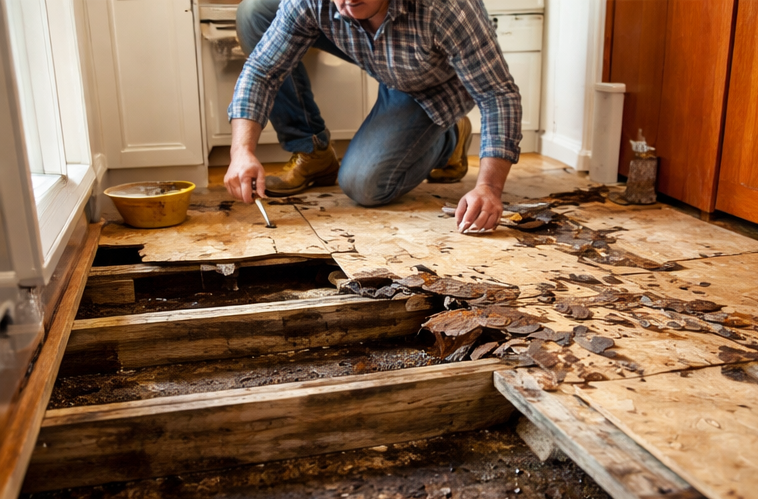
In practice, crawl spaces can develop a wide range of problems over time. Moisture accumulation, failing insulation, wood rot, and structural settlement are among the most common issues. Each of these problems affects the Crawl Space Repair Cost, sometimes in ways homeowners do not initially expect.
Repair costs can vary from relatively minor improvements to major structural interventions. Understanding where those costs come from—and what factors influence them—helps clarify why estimates can differ so widely between properties.
Why Crawl Space Problems Develop Over Time
Crawl spaces sit close to the ground, which makes them especially vulnerable to environmental conditions. Soil moisture, seasonal humidity, and temperature fluctuations all affect the area beneath the house.
Poor drainage around the home is one of the most frequent contributors. Water from rainfall or irrigation can seep into the crawl space through soil, foundation gaps, or inadequate vapor barriers. Over time, this moisture raises humidity levels inside the enclosure.
High humidity creates several secondary problems:
Mold growth on wooden framing
Deterioration of insulation
Wood rot in joists or beams
Pest infestations attracted to damp conditions
Ventilated crawl spaces—common in older homes—can also worsen the issue in humid climates. Warm outside air entering the space condenses on cooler surfaces, increasing moisture rather than reducing it.
Once these conditions persist long enough, repairs move beyond simple maintenance. Moisture management, insulation replacement, and structural stabilization may all become necessary.
Typical Crawl Space Repair Cost Ranges
While pricing varies by region and property size, most crawl space repairs fall into a few broad categories.
Minor issues such as sealing small air leaks or replacing damaged insulation might cost a few hundred to a couple thousand dollars. These repairs typically involve localized labor and limited materials.
Moderate repairs often involve moisture control systems. Installing a vapor barrier, improving drainage, or adding a sump pump can push costs into the several-thousand-dollar range. The complexity of the crawl space layout and accessibility plays a major role here.
More extensive repairs occur when structural elements are affected. Damaged floor joists, sagging beams, or settlement in the foundation may require reinforcement or partial reconstruction. These projects can reach five-figure costs depending on the severity.
Because crawl spaces interact directly with a home’s foundation, structural problems often overlap with broader foundation issues. In such cases, understanding how structural repair methods affect pricing can help put estimates into context, as explained in this breakdown of how foundation repairs are priced depending on damage severity and repair technique.
The key point is that crawl space repairs rarely follow a single standard price. Instead, the final cost reflects the combination of problems present in the space.
Moisture Control Repairs and Their Cost Impact
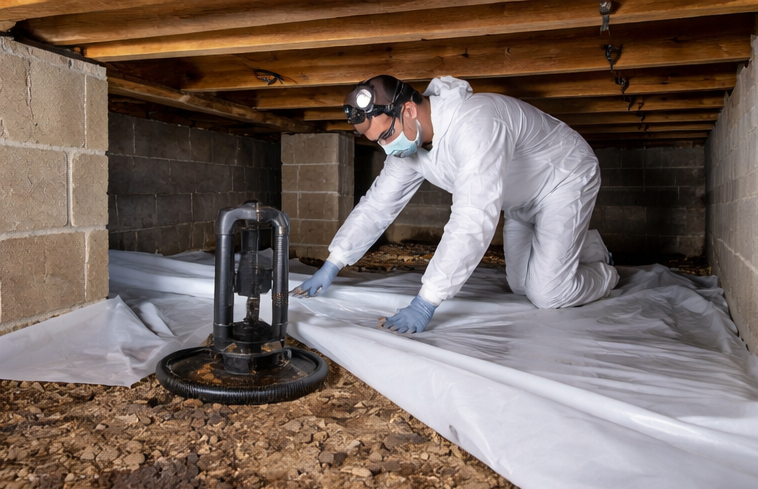
Moisture management is often the first stage of crawl space repair. Even when structural issues are present, contractors typically address water and humidity before tackling other work.
Without solving the moisture source, repairs to wood framing or insulation may deteriorate again within a few years.
Vapor Barrier Installation
A vapor barrier is a heavy plastic membrane placed across the crawl space floor and sometimes along the walls. It reduces moisture evaporation from the soil below.
Costs vary depending on material thickness, crawl space size, and installation complexity. Basic installations may cover only the floor, while more comprehensive systems seal the walls and structural supports.
Higher-end vapor barriers include reinforced materials designed for long-term durability.
Drainage Improvements
If water consistently enters the crawl space, drainage improvements may be required.
These upgrades might include:
Interior perimeter drains
Sump pump installation
Exterior grading adjustments
Downspout extensions
Drainage projects increase labor costs because they often require excavation or trenching inside the crawl space.
Dehumidification Systems
In humid climates, mechanical dehumidifiers are sometimes installed to maintain stable humidity levels. These systems operate similarly to whole-house dehumidifiers but are designed specifically for crawl space environments.
Although equipment costs can be significant, long-term humidity control often prevents more expensive structural repairs later.
Insulation Problems That Increase Repair Costs
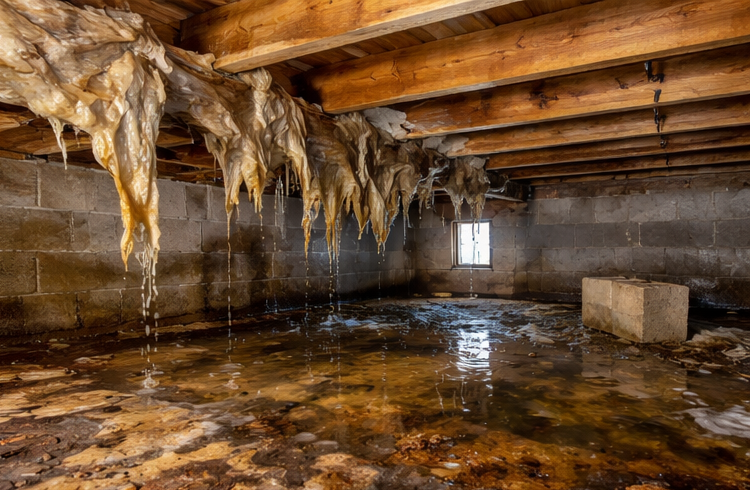
Crawl space insulation plays an important role in maintaining indoor comfort and energy efficiency. When insulation deteriorates, it can affect both heating and cooling performance.
The most common issue is insulation falling from the floor joists. Moisture and pests often damage fiberglass batts, causing them to sag or detach.
Replacing insulation is relatively straightforward in accessible crawl spaces. However, costs increase if additional work is required to address moisture problems before new insulation can be installed.
In some cases, contractors recommend switching to different insulation strategies entirely.
Encapsulation and Insulated Walls
Instead of insulating the floor above the crawl space, some modern repair strategies insulate the crawl space walls. This approach typically accompanies full crawl space encapsulation.
Encapsulation seals the crawl space with vapor barriers, insulated panels, and controlled ventilation. While the upfront cost is higher than simple insulation replacement, it can improve long-term moisture control and indoor air quality.
Homes in humid regions of the southeastern United States frequently use this approach.
Structural Repairs in Crawl Spaces
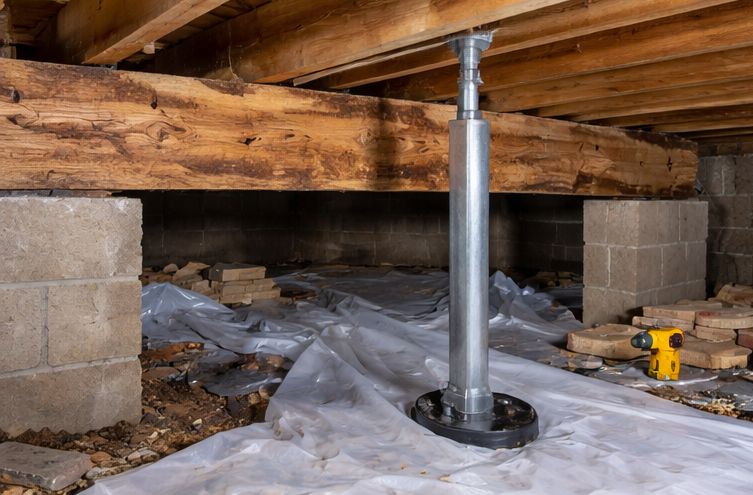
Structural repairs represent the most expensive category of crawl space work. They occur when moisture damage or soil movement affects the structural components supporting the home.
Several elements inside a crawl space can deteriorate over time.
Floor Joists
Wooden joists support the flooring above the crawl space. When exposed to prolonged humidity, they may weaken or begin to rot.
Repair options depend on the extent of the damage. Minor cases might involve reinforcing existing joists with additional lumber, a technique sometimes called “sistering.” Severe deterioration may require partial replacement.
Support Beams
Large support beams distribute the weight of the structure across multiple supports. If beams begin to sag, floors above the crawl space may feel uneven or develop noticeable dips.
Repairing beams may involve adding steel supports or installing adjustable columns to restore proper alignment.
Foundation Piers
Many crawl spaces rely on interior piers to support the structure. These piers can shift if soil beneath them settles or becomes saturated with water.
Stabilizing piers sometimes requires lifting sections of the house slightly while new supports are installed.
Because these repairs directly affect the building’s structural stability, contractors typically conduct a detailed inspection before providing estimates.
How Crawl Space Size and Accessibility Affect Pricing
Two homes with similar crawl space problems may still receive very different repair estimates. Accessibility and layout often explain these differences.
Crawl spaces vary widely in height. Some allow workers to move comfortably, while others provide only minimal clearance. Limited access slows down labor and makes equipment installation more difficult.
The overall square footage also plays a major role. Vapor barriers, insulation materials, and drainage systems all scale with the size of the space.
Older homes sometimes have irregular crawl space layouts with multiple small compartments. This design increases labor time because each section must be accessed separately.
These logistical factors rarely appear obvious during a quick inspection from outside the home, yet they influence project costs significantly.
Crawl Space Repairs Compared With Other Moisture Solutions
In many homes, crawl space issues overlap with broader water management challenges around the foundation.
For example, water entering a crawl space may also affect basement walls in houses that combine both foundation types. Understanding the broader context of waterproofing work can help clarify why contractors sometimes recommend multiple repairs.
Waterproofing systems used in basements share some similarities with crawl space moisture control strategies. A detailed cost comparison can be helpful when evaluating different approaches to moisture protection, particularly when reviewing typical price components in projects such as basement waterproofing systems and their installation costs.
The main difference lies in accessibility. Basements provide full standing height, making repairs easier. Crawl spaces, by contrast, require specialized equipment and more labor-intensive installation methods.
When Crawl Space Repairs Become Part of Larger Home Repair Projects
Crawl space work rarely occurs in isolation during major home maintenance cycles. Instead, it often becomes part of broader renovation or structural improvement plans.
For example, homeowners replacing aging HVAC systems may upgrade crawl space insulation at the same time. Similarly, exterior drainage improvements often coincide with foundation repairs.
Because these projects interact with each other, understanding typical price ranges across different home repairs can provide useful context when planning long-term maintenance. Many homeowners start by reviewing comprehensive references such as a complete overview of typical residential repair and replacement expenses across major home systems.
Looking at repairs holistically often reveals opportunities to combine work and reduce overall labor costs.
Common Misconceptions About Crawl Space Repair Costs
Several misconceptions frequently lead homeowners to underestimate or misunderstand crawl space repair expenses.
One common assumption is that crawl spaces are inexpensive to repair simply because they are smaller than basements. In reality, limited access often increases labor time.
Another misconception involves insulation replacement. Homeowners sometimes believe new insulation alone will solve crawl space problems. In many cases, underlying moisture issues must be addressed first.
Finally, structural problems are often misattributed to flooring defects inside the home. Uneven floors frequently originate from crawl space beam or joist deterioration rather than issues with the finished flooring itself.
Understanding these underlying causes helps explain why professional inspections typically focus on moisture sources before recommending structural repairs.
Crawl space repair costs ultimately reflect a combination of environmental conditions, construction design, and the length of time problems have been developing beneath the home.