buildcostguide.site – A detailed breakdown of Deck Repair and Replacement Cost in the US, comparing wood and composite materials, labor factors, and long-term maintenance considerations.
Outdoor decks are among the most frequently upgraded features in American homes. They expand usable living space, increase property appeal, and often serve as the focal point for backyard gatherings. Yet decks are also exposed structures sun, moisture, and temperature changes gradually take their toll.
For homeowners planning repairs or considering a full rebuild, understanding the Deck Repair and Replacement Cost requires more than a simple price estimate. Material choice, structural condition, regional labor rates, and long-term maintenance requirements all shape the final cost.
In practice, the most significant decision often comes down to material: traditional wood or modern composite decking. Each option carries different upfront costs, maintenance expectations, and lifespan considerations.
What Typically Drives Deck Repair and Replacement Costs
Deck projects vary widely in scale. Some involve replacing a few damaged boards, while others require rebuilding the entire structure, including framing and footings.
Several core factors influence pricing across most projects.
Deck size
Square footage is the most obvious driver. Larger decks require more materials and more labor hours, increasing overall costs regardless of material choice.
Structural condition
Surface boards may only represent part of the problem. If moisture has damaged joists, beams, or ledger boards attached to the house, structural repairs can significantly increase the scope of work.
Labor rates by region
Construction labor varies widely across the United States. Projects in metropolitan areas or regions with higher construction demand often carry noticeably higher installation costs.
Accessibility and site conditions
A deck built on a steep slope or elevated above ground level can complicate the installation process. More complex access conditions may require additional safety equipment or structural support.
Because decks are only one component of broader home exterior maintenance, homeowners often evaluate them alongside other renovation expenses. In many cases, comparing projects within a broader framework of exterior improvements—such as the pricing structures outlined in this comprehensive overview of typical home renovation pricing across the country—helps clarify whether a deck repair or replacement fits within the overall budget.
Average Deck Repair Costs in the US
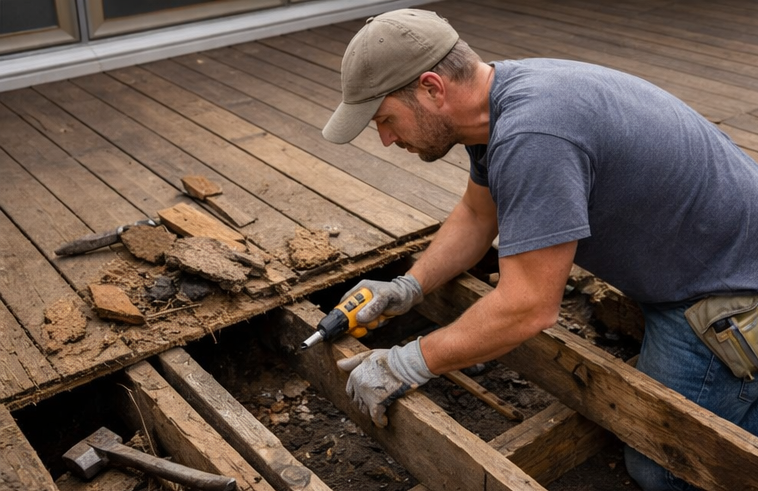
Repair costs depend largely on the type and extent of damage. Minor issues can be addressed relatively affordably, while structural problems may approach the cost of partial replacement.
Typical repair scenarios include:
Board replacement
Individual boards that have warped, cracked, or rotted are often removed and replaced. Costs depend on material type and accessibility.
Railing repairs
Loose or damaged railings can create safety concerns. Replacing railing sections or reinforcing posts is a common mid-range repair.
Fastener and hardware replacement
Over time, screws and connectors can loosen or corrode. Upgrading to modern corrosion-resistant hardware can extend the life of the deck.
Surface refinishing
For wood decks, sanding and sealing may restore appearance and slow further deterioration.
Nationally, many repair projects fall somewhere between $800 and $3,500, though larger repairs involving framing elements can exceed that range.
One common misconception is that visible surface damage tells the whole story. In reality, structural deterioration often occurs beneath the deck surface, especially in older pressure-treated lumber installations.
When Replacement Becomes the More Practical Option
At some point, ongoing repairs may no longer be the most cost-effective strategy. When structural elements begin to fail or when large portions of the deck surface deteriorate simultaneously, full replacement often becomes the safer long-term choice.
Several signs typically indicate replacement is worth considering.
Extensive rot or moisture damage
When rot spreads into joists or support posts, repairs may require removing significant portions of the structure.
Outdated construction standards
Older decks were often built with different spacing, fastening systems, and load requirements. Modern building codes frequently require structural upgrades during major renovations.
Multiple prior repairs
If sections of the deck have been patched repeatedly, structural consistency may suffer, and future repairs become more frequent.
At that stage, homeowners often evaluate whether upgrading materials during reconstruction makes financial sense. Composite decking, for example, may involve higher upfront costs but reduce maintenance requirements over time.
Interestingly, this same decision pattern appears in other exterior upgrades. For instance, when comparing materials in projects like upgrading exterior cladding systems for durability and longevity, the initial price difference between materials often becomes less important when viewed over the full lifecycle of the structure.
Wood Deck Replacement Cost
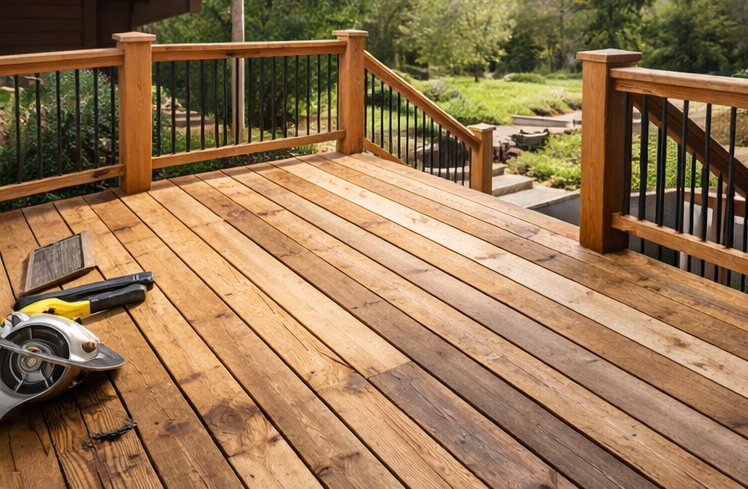
Wood remains the most common deck material in the United States. Pressure-treated lumber offers a relatively affordable starting point and is widely available through contractors and building suppliers.
Typical price range
A full wood deck replacement generally ranges between $25 and $45 per square foot, depending on design complexity and regional labor costs.
For a standard 300-square-foot deck, this places the typical project cost between $7,500 and $13,500.
Advantages of wood decking
Wood continues to attract homeowners for several reasons:
Lower initial cost compared to composite
Natural appearance that can be stained in different colors
Easier to modify or repair
These qualities make wood decks particularly attractive for budget-conscious renovations or homes where long-term maintenance is not a primary concern.
Long-term maintenance considerations
Wood decks require ongoing care to maintain their appearance and structural integrity.
Typical maintenance tasks include:
periodic sealing or staining
surface cleaning to prevent mildew
replacing warped or cracked boards
Over a decade or more, maintenance costs can become a meaningful portion of the total ownership cost.
Composite Deck Replacement Cost
Composite decking has gained popularity over the past two decades as manufacturers improved durability and appearance. Instead of solid wood, these boards are typically made from a blend of recycled plastic and wood fibers.
Typical price range
Composite deck replacement typically ranges from $40 to $70 per square foot installed.
For the same 300-square-foot deck, homeowners may spend $12,000 to $21,000, depending on brand, design, and installation complexity.
Why homeowners choose composite
Composite decking appeals to homeowners seeking lower maintenance requirements.
Key advantages include:
resistance to rot and moisture
no need for staining or sealing
more consistent board quality
Many composite systems also include hidden fastening systems, which create a smoother finished appearance.
Durability and lifespan
Composite decks often last 25 to 30 years or more with minimal structural degradation. While boards can still scratch or fade over time, they typically require less routine maintenance than wood.
This durability can offset the higher initial investment for homeowners planning to remain in the same property long term.
Labor and Design Factors That Affect Final Pricing
Material choice is only part of the equation. Design details and installation conditions frequently account for a large share of project cost differences.
Deck height
Elevated decks require additional structural support, stairs, and railings. These elements increase both material quantities and labor complexity.
Railings and accessories
Modern deck designs often incorporate features such as:
cable or glass railings
built-in seating
lighting systems
pergolas or shade structures
Each additional element increases total project cost.
Demolition and disposal
Removing an existing deck also adds labor hours and disposal fees. Older decks may contain treated lumber that requires specific handling during disposal.
Permits and inspections
Most municipalities require building permits for structural deck replacement. Inspection requirements ensure compliance with safety standards but may add time and administrative costs.
These regulatory factors are common across many exterior renovation projects. For example, similar permitting and structural considerations appear when homeowners replace major hardscape elements like large outdoor pavement installations measured by surface area, where excavation, removal, and inspection requirements can shape final project pricing.
Choosing Between Wood and Composite
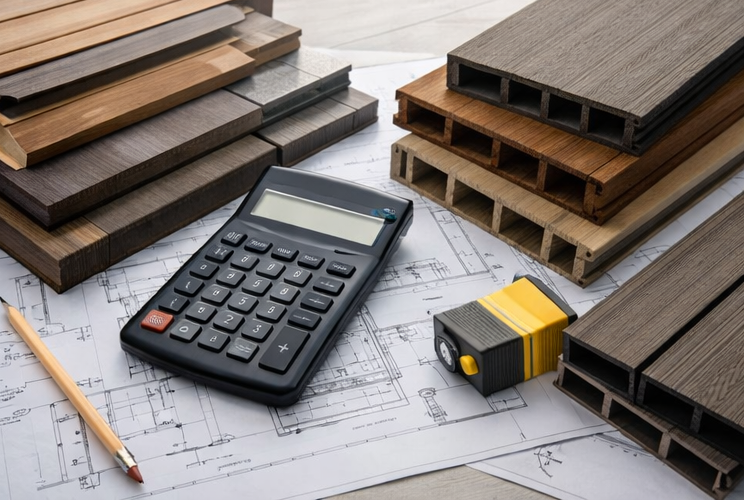
The decision between wood and composite decking ultimately depends on priorities rather than simple price comparisons.
Homeowners focused on lower upfront costs often choose pressure-treated wood. The material remains widely available and easier to repair in small sections.
Composite, by contrast, appeals to homeowners seeking lower maintenance and longer lifespan. Although the installation cost is higher, many find the reduced maintenance requirements worth the investment.
Another practical consideration is climate. In regions with heavy rainfall, humidity, or large seasonal temperature swings, composite materials often resist weather-related damage more effectively than traditional lumber.
Finally, aesthetics still play a role. Some homeowners prefer the natural grain and texture of wood, even if it requires periodic refinishing.
Deck projects sit at the intersection of design preference, structural safety, and long-term maintenance planning. The true Deck Repair and Replacement Cost only becomes clear once those factors are considered together.