buildcostguide.site – Gutter replacement cost in the US varies widely between aluminum and copper systems. This guide explains pricing differences, labor factors, and long-term considerations.
Gutters rarely receive attention until something goes wrong. Sagging sections, persistent leaks, or water pooling near the foundation usually signal that the system has reached the end of its lifespan. When replacement becomes necessary, homeowners quickly discover that the gutter replacement cost can vary dramatically depending on the material chosen.
Among the most common options in the United States, aluminum and copper represent two very different price tiers. Aluminum is widely used for its affordability and practicality, while copper is typically selected for architectural appeal and long-term durability. The difference between them is not simply aesthetic—it affects installation complexity, maintenance expectations, and overall lifetime cost.
Understanding how these two materials influence pricing helps homeowners evaluate whether a lower upfront investment or a longer-lasting system makes more sense for their property.
Average Gutter Replacement Cost in the US
Across the United States, a full gutter replacement for an average single-family home typically ranges between $1,200 and $4,500. This estimate usually includes material, removal of the old system, and professional installation.
However, that range reflects mostly aluminum systems. When copper enters the equation, total costs can increase significantly.
Several variables influence the final number:
total linear footage of gutters needed
number of downspouts
roofline complexity
labor rates in the region
accessibility around the house
additional features such as gutter guards
For context, homeowners comparing multiple exterior projects often notice similar price variability in other structural upgrades. The same principle applies when estimating broader renovation budgets, such as those outlined in a detailed overview of typical home repair pricing across major US projects.
Material selection remains one of the most decisive cost drivers, which is why aluminum and copper systems produce such different estimates.
Aluminum Gutters: Cost and Practical Advantages
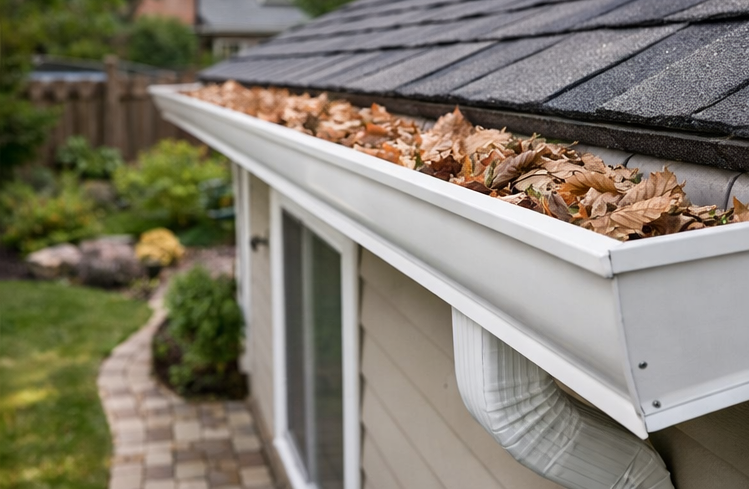
Aluminum has become the standard material for residential gutters across the United States. Its balance between affordability, corrosion resistance, and ease of installation makes it suitable for most homes.
Typical Aluminum Gutter Pricing
Installed aluminum gutters generally cost:
$10 – $22 per linear foot installed
For a typical 2,000-square-foot home requiring about 150–200 linear feet of guttering, the total replacement cost often falls between:
$1,500 – $3,500
This includes materials, labor, and removal of old gutters.
Why Aluminum Is So Widely Used
Several characteristics explain why aluminum dominates the market:
Lightweight construction
Installers can handle and shape aluminum sections easily, reducing labor time. This lowers installation costs compared with heavier materials.
Rust resistance
Unlike steel systems, aluminum does not rust. In most climates, it performs reliably for 20 years or longer with minimal deterioration.
Color variety
Aluminum gutters are commonly sold pre-finished in dozens of colors, allowing them to blend with siding or trim without additional painting.
Compatibility with seamless systems
Many contractors fabricate seamless aluminum gutters on-site using specialized machines. Fewer joints reduce the chance of leaks and improve appearance.
Limitations to Consider
Aluminum is practical but not indestructible. Thin gauges can dent from ladders, falling branches, or severe storms. In colder regions, ice buildup may also bend sections over time if proper support spacing is not used.
For homeowners seeking long-term durability with minimal cosmetic wear, copper gutters represent a different category entirely.
Copper Gutters: Premium Pricing and Longevity
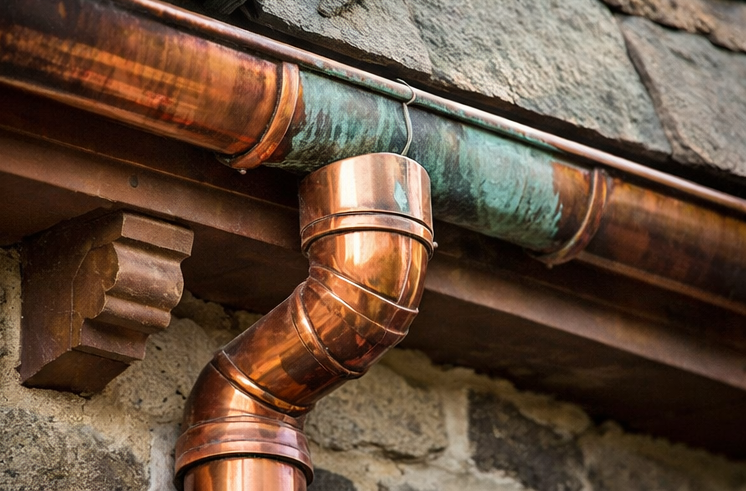
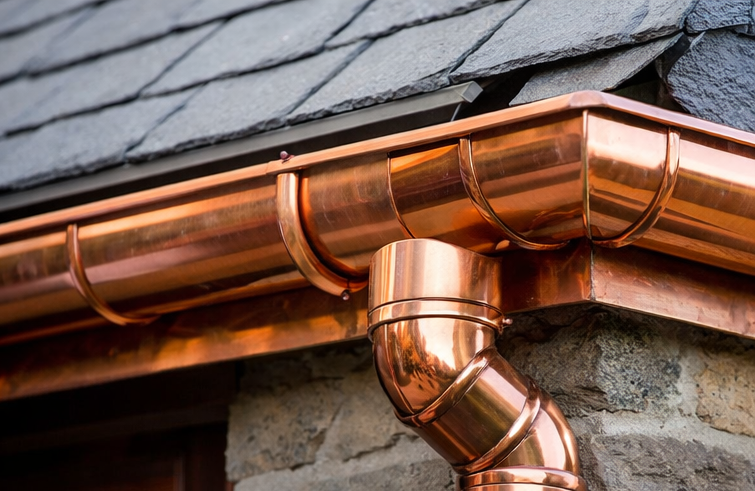
Copper gutters occupy the high end of the residential drainage market. They are often chosen for historic homes, luxury builds, and architectural projects where appearance matters as much as performance.
Typical Copper Gutter Pricing
Installed copper gutters typically cost:
$30 – $60 per linear foot installed
For the same 150–200 linear foot system used in many homes, replacement costs often range between:
$6,000 and $12,000 or more
The price difference compared with aluminum is substantial, but copper systems also offer unique advantages.
What Drives the Higher Cost
The elevated price is primarily linked to material and labor.
Material value
Copper is a commodity metal with fluctuating market prices. Raw material costs alone are significantly higher than aluminum.
Specialized installation
Copper gutters require skilled fabrication and soldered joints rather than snap-together seams. Fewer contractors offer this service, which raises labor rates.
Heavier components
The weight of copper requires careful mounting and stronger fasteners, sometimes increasing installation time.
Long-Term Performance
Copper gutters can last 50 to 100 years under the right conditions. Over time, the metal develops a natural patina that protects it from corrosion while giving the system its distinctive greenish tone.
Because of this longevity, copper systems are often viewed less as a disposable building component and more as a permanent architectural feature.
Installation Factors That Influence Total Cost
Material choice sets the baseline price, but installation conditions can push costs higher regardless of whether aluminum or copper is used.
Roofline Complexity
Homes with multiple roof sections, dormers, or intersecting slopes require more custom cutting and additional downspouts. Each transition increases labor time and materials.
Multi-Story Structures
Working on two-story or three-story homes often requires scaffolding or specialized safety equipment. Labor rates may increase to account for the additional risk and setup.
Gutter Size and Style
Standard residential gutters are typically 5-inch K-style, but larger 6-inch systems are sometimes recommended for steep roofs or areas with heavy rainfall. Larger profiles require more material and stronger brackets.
Downspout Configuration
Each downspout adds installation time and materials. Homes with long rooflines may need multiple drainage points to prevent overflow.
Exterior water management projects are often interconnected. In many cases, homeowners evaluating gutter replacement also compare other structural improvements that protect the building envelope, such as drainage upgrades described in a detailed breakdown of typical basement waterproofing expenses in US homes.
Properly functioning gutters play a key role in preventing many of those foundation moisture problems.
Maintenance and Lifespan Considerations
Upfront installation cost tells only part of the story. Maintenance requirements and longevity often determine which material offers better value over time.
Aluminum System Lifespan
Most aluminum gutters last 20–30 years when installed correctly and kept free of debris.
Maintenance typically includes:
seasonal cleaning
resealing occasional joints
replacing damaged sections after storms
Because aluminum is softer than copper, dents and bends are more common over the lifespan of the system.
Copper System Lifespan
Copper gutters require less routine maintenance. Their natural patina protects the surface from corrosion, eliminating the need for painting or coating.
Maintenance usually involves:
periodic debris removal
occasional inspection of soldered joints
Given their durability, copper systems may outlast several roof replacement cycles.
This durability is one reason copper gutters are sometimes installed alongside other long-term exterior upgrades, particularly when homeowners are already evaluating structural improvements like those described in a breakdown of typical roof replacement pricing across US homes.
When both systems are updated together, contractors can better coordinate flashing, drainage slopes, and downspout placement.
When Aluminum Makes More Financial Sense
For most homeowners, aluminum provides the most balanced combination of cost, durability, and functionality.
Situations where aluminum gutters are typically the practical choice include:
standard suburban homes
properties where resale value matters more than architectural detail
houses expected to undergo exterior remodeling within a few decades
climates where replacement cycles align with roof replacement timelines
Because aluminum systems are relatively inexpensive to install, they allow homeowners to maintain proper drainage without committing to a major financial investment.
When Copper Gutters May Be Worth the Investment
Copper systems are less common but can make sense in certain situations.
They are often chosen for:
historic homes undergoing restoration
luxury properties with high-end exterior finishes
architectural styles that benefit from visible metalwork
homeowners planning to remain in the property long term
In these contexts, copper gutters are not simply functional components—they contribute to the visual character of the building.
Over decades, the higher initial price may be partially offset by the system’s extended lifespan and minimal maintenance needs.
Choosing Between Aluminum and Copper
Comparing aluminum and copper gutters ultimately comes down to priorities.
Aluminum offers:
lower installation cost
widespread contractor availability
good durability for most climates
compatibility with seamless systems
Copper offers:
exceptional lifespan
distinctive architectural appearance
minimal corrosion risk
long-term structural durability
The large price difference means aluminum remains the dominant choice across most residential neighborhoods in the United States. Copper systems, while significantly more expensive, continue to appeal to homeowners who prioritize longevity and aesthetic value.
Understanding how these materials affect the overall gutter replacement cost allows homeowners to approach the decision with realistic expectations and a clearer sense of the long-term trade-offs involved.