buildcostguide.site – Garage door replacement cost in the US varies by door size, materials, and installation complexity, with notable differences between single and double garage doors.
A garage door is one of the largest moving components in a home, and when it reaches the end of its lifespan, replacement becomes a practical consideration rather than a cosmetic upgrade. In the United States, the garage door replacement cost can vary widely depending on door size, materials, hardware, and installation requirements.
Homeowners often assume that pricing differences come down to the size of the door alone. In reality, the gap between single and double garage door replacement costs reflects a combination of structural factors, installation labor, and hardware compatibility. Understanding how these variables interact can help homeowners evaluate quotes and plan renovation budgets more realistically.
Average Garage Door Replacement Cost in the US
Across the US housing market, replacing a garage door typically costs between $900 and $4,500, including materials and professional installation. However, this range reflects many possible configurations.
A single garage door replacement commonly falls between $900 and $2,500, depending on materials and insulation levels. By contrast, replacing a double garage door usually ranges from $1,500 to $4,500 or more, particularly when structural adjustments or heavier-duty hardware are required.
These estimates generally include:
Removal of the existing door
Installation of the new door panels and tracks
Basic hardware such as rollers, brackets, and springs
Standard labor charges
Additional expenses may arise if the opener needs replacement, framing repairs are required, or insulation upgrades are selected.
While garage door replacement represents only one part of broader home maintenance spending, it is often evaluated alongside other major structural repairs. For homeowners comparing multiple projects, a broader overview of typical home repair and replacement pricing across the US can provide useful context for budgeting.
Cost Differences Between Single and Double Garage Doors
The price difference between single and double garage doors is not simply proportional to size. Several underlying factors contribute to the higher overall cost of double-door installations.
Door Dimensions and Materials
A standard single garage door is typically around 8–10 feet wide and 7–8 feet tall. A double garage door, on the other hand, usually measures 16–18 feet wide while maintaining similar height.
The larger surface area increases material requirements significantly. Whether the door is made of steel, wood, fiberglass, or composite panels, more material means higher production costs.
For example:
Steel doors scale relatively efficiently, but larger panels still require reinforcement.
Wood doors become substantially more expensive as width increases because structural stability must be maintained.
Insulated doors require additional foam layers and thermal barriers across a larger area.
The cumulative effect makes double doors noticeably more expensive even before installation labor is considered.
Hardware and Structural Reinforcement
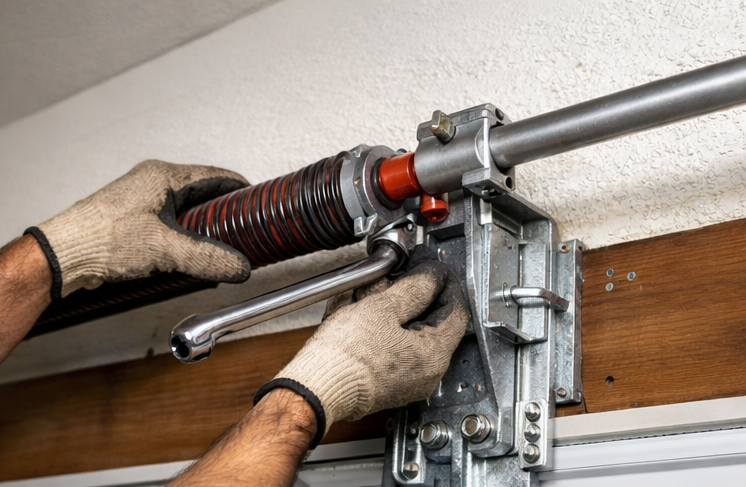
Garage door systems rely on a set of mechanical components that must support the full weight of the door. These include torsion springs, tracks, rollers, hinges, and mounting brackets.
A double garage door generally requires:
Heavier torsion springs
Reinforced tracks
Stronger mounting hardware
Wider support brackets
Because the door spans a wider opening, maintaining smooth and balanced movement becomes more technically demanding. The hardware itself costs more, and installation often requires additional alignment work.
In many homes, installers also assess the condition of the header beam above the garage opening. If structural reinforcement is necessary, costs can increase further.
Material Choices and Their Impact on Price
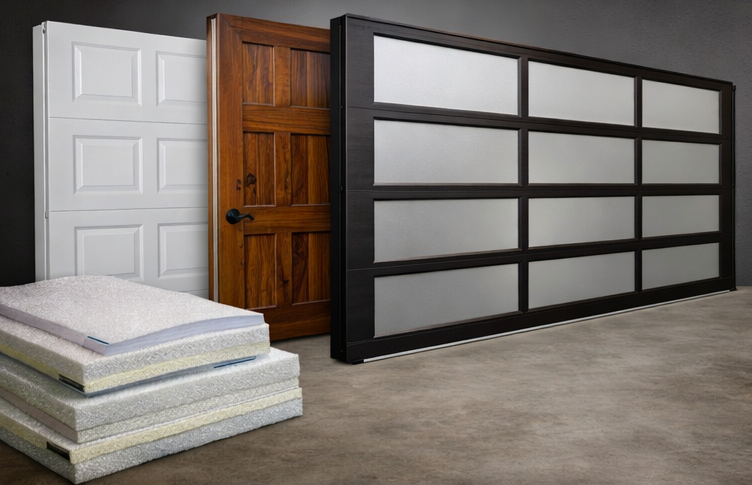
Beyond door size, material selection is one of the most influential factors affecting the garage door replacement cost.
Steel Garage Doors
Steel remains the most widely used garage door material in the US due to its balance of affordability, durability, and low maintenance.
Typical price ranges:
Single steel door: $800 – $1,800 installed
Double steel door: $1,200 – $3,000 installed
Insulated steel doors cost more but improve energy efficiency, particularly in attached garages where temperature fluctuations can affect indoor living spaces.
Wood Garage Doors
Wood doors are often selected for architectural appeal, particularly in traditional or custom-built homes. However, the cost difference between single and double doors becomes especially pronounced with wood.
Typical ranges:
Single wood door: $1,500 – $3,500 installed
Double wood door: $2,500 – $6,000 or more
Maintenance is another consideration. Wood requires periodic sealing or painting to prevent moisture damage.
Aluminum and Glass Doors
Modern homes sometimes feature aluminum frames with glass panels. These contemporary designs can be visually striking but may carry higher costs.
Typical pricing:
Single aluminum/glass door: $1,500 – $3,000
Double aluminum/glass door: $3,000 – $6,500+
Because these doors often involve custom fabrication, installation costs can also increase.
Installation Complexity and Labor Costs
Labor typically accounts for $200 to $800 of the total project cost, though complex installations can exceed this range.
Several factors influence installation pricing.
Removal of Existing Doors
Older doors may require careful dismantling, especially if the torsion spring system is under tension. Installers must safely release stored energy before removing the door panels and tracks.
Opener Compatibility
In some cases, the existing garage door opener can remain in place. However, if the new door is heavier or larger, the opener may need replacement or recalibration.
Double doors often require higher-capacity openers, which can add $300 to $600 to the total project.
Framing Adjustments
If the garage opening has shifted or sustained damage over time, framing repairs may be necessary. While not always required, these structural adjustments can add several hundred dollars to the project.
This type of hidden repair is relatively common in older homes, particularly in regions where seasonal moisture affects structural materials. Similar structural concerns sometimes appear during projects like foundation moisture control and basement waterproofing, where underlying conditions influence final costs.
Energy Efficiency and Insulated Garage Doors
In colder climates, garage door insulation can significantly affect home energy performance.
Insulated doors typically contain polyurethane or polystyrene foam sandwiched between steel panels. The insulation value is expressed as an R-value, with higher numbers indicating better thermal resistance.
Common ranges include:
R-6 to R-9: Basic insulation
R-12 to R-16: Mid-range residential doors
R-18+: High-performance insulated doors
While insulation increases upfront costs, it can help reduce heat loss when the garage shares walls with living areas. Double garage doors benefit particularly from insulation due to their larger surface area.
For detached garages, however, insulation may have less impact on household energy usage, so homeowners sometimes choose simpler door designs.
Regional Factors That Influence Replacement Costs
Garage door replacement pricing is not uniform across the United States. Regional construction markets affect both materials and labor costs.
Several regional factors play a role.
Labor Market Conditions
Urban areas and regions with higher construction wages tend to have higher installation costs. For example, labor in large metropolitan areas often costs significantly more than in rural regions.
Climate Considerations
Homes in colder climates may require insulated doors or weather-resistant materials. Coastal areas sometimes favor corrosion-resistant aluminum or fiberglass doors.
Local Building Codes
Some regions require wind-rated garage doors capable of withstanding hurricane-force winds. These reinforced doors are common in states such as Florida and parts of the Gulf Coast.
Wind-rated models include reinforced tracks, stronger panels, and specialized anchoring systems, which can increase overall costs.
Common Situations That Increase Garage Door Replacement Cost

While basic replacements are relatively straightforward, certain scenarios can increase the final price of the project.
Custom Door Sizes
Older homes sometimes have garage openings that do not match modern standard dimensions. Custom-sized doors require special manufacturing, which increases both production time and cost.
Decorative Upgrades
Windows, carriage-style designs, and decorative hardware can add visual appeal but also increase price.
Glass inserts, for example, may add $100 to $500 depending on the design and material.
Structural Repairs Around the Garage
In some cases, replacing the garage door reveals issues with surrounding structural components, such as deteriorating framing or damaged masonry.
These problems occasionally overlap with broader exterior repair projects. For instance, homeowners dealing with aging masonry structures may encounter similar issues when evaluating typical chimney repair expenses for brick and flashing damage, where hidden deterioration can influence total project cost.
Because these conditions vary widely from home to home, contractors usually assess them during on-site inspections rather than including them in initial estimates.
Evaluating Quotes from Garage Door Installers
When homeowners receive multiple quotes for garage door replacement, differences in pricing often reflect variations in materials, hardware quality, and installation scope.
Important factors to review include:
Door material and insulation rating
Hardware type and spring system
Warranty coverage for panels and components
Whether opener replacement is included
Disposal of the old door
Lower quotes may exclude certain components that appear in higher estimates. Comparing itemized proposals can clarify which contractor is providing a complete installation.
For many households, replacing a garage door becomes part of a broader cycle of exterior home maintenance. Evaluating costs in the context of other structural upgrades can make long-term planning more manageable, particularly for homeowners maintaining older properties where multiple repair projects eventually overlap.