buildcostguide.site – An in-depth analysis of siding replacement cost in the US comparing vinyl, fiber cement, and wood across materials, labor, durability, and long-term value.
Replacing exterior siding is often prompted by visible deterioration—cracking panels, moisture intrusion, fading, or rising maintenance demands. For many homeowners, the immediate concern is straightforward: how much will it cost? Yet siding replacement cost varies widely depending on material choice, labor conditions, home size, and regional factors.
Among the most common options in the United States are vinyl, fiber cement, and wood siding. Each carries distinct pricing structures, installation requirements, maintenance expectations, and long-term performance profiles. Understanding how these materials differ financially and structurally helps frame realistic budgeting decisions.
What Drives Siding Replacement Cost in the US
Nationally, siding replacement cost typically ranges from $8,000 to $30,000 for an average single-family home, though high-end installations can exceed that range. The total project cost generally includes:
Removal and disposal of existing siding
House wrap or moisture barrier upgrades
Material purchase
Labor and installation
Trim, flashing, and finishing details
Permit fees (if required locally)
Cost per square foot is often used for comparison. In most markets:
Vinyl siding: $5–$12 per square foot installed
Fiber cement siding: $8–$16 per square foot installed
Wood siding: $9–$18+ per square foot installed
These figures fluctuate based on region. Labor tends to cost more in coastal states and major metro areas, while rural markets may see slightly lower installation rates. Homes with complex architecture—multiple stories, dormers, intricate trim—also increase labor intensity.
Material selection plays a central role not only in upfront price but in lifecycle cost over decades.
Vinyl Siding: Lower Initial Investment, Moderate Longevity
Vinyl siding remains one of the most widely installed exterior materials in the United States, largely due to its accessible upfront cost and relatively straightforward installation.
Cost Profile
For a 2,000-square-foot home, vinyl siding replacement often falls between $10,000 and $20,000 depending on thickness, insulation backing, and regional labor pricing. Premium insulated vinyl panels cost more than basic hollow-back versions.
Labor is generally less intensive compared to fiber cement or wood. Vinyl panels are lightweight and easier to cut and secure, reducing installation time.
Durability and Maintenance
Vinyl does not require painting and resists insect damage and rot. However, it can crack in extreme cold, warp under high heat, and fade over time with prolonged UV exposure.
Typical lifespan: 20–40 years depending on climate and product grade.
Maintenance costs are relatively low, usually limited to occasional washing. Repairs, though less frequent, often require panel replacement rather than patching.
Long-Term Financial Implications
Vinyl’s lower upfront siding replacement cost makes it appealing for homeowners prioritizing short- to mid-term budgets. However, resale perception varies. In higher-end neighborhoods, vinyl may be viewed as less premium than other materials.
Its cost efficiency is strongest in moderate climates where temperature extremes are less severe.
Fiber Cement Siding: Higher Installation Cost, Extended Durability
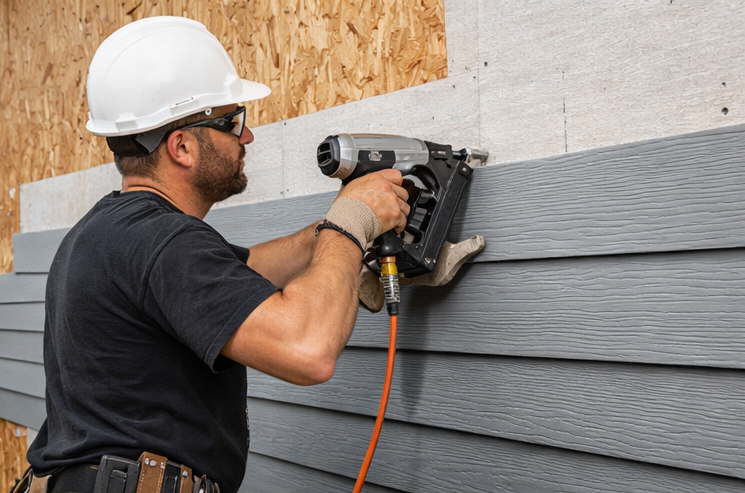
Fiber cement siding, often associated with manufacturers such as James Hardie, has gained traction for its balance of durability and aesthetic flexibility.
Cost Profile
Fiber cement typically ranges from $8 to $16 per square foot installed. For a standard home, total project costs often fall between $15,000 and $30,000.
Installation costs are higher for several reasons:
Heavier material requiring specialized handling
Cutting processes that demand proper safety equipment
More labor-intensive fastening and finishing
Skilled contractors often required
Removal of old siding can also add to overall cost if underlying sheathing needs repair.
Durability and Maintenance
Fiber cement is resistant to fire, insects, rot, and severe weather. It performs well in humid and coastal environments where wood may deteriorate more quickly.
Typical lifespan: 30–50 years with proper maintenance.
Unlike vinyl, fiber cement requires repainting approximately every 10–15 years depending on climate exposure. That ongoing maintenance cost should be factored into long-term budgeting.
Long-Term Financial Implications
Although initial siding replacement cost is higher than vinyl, fiber cement often holds stronger resale appeal due to its durability and architectural appearance. It can mimic wood grain without the same susceptibility to rot.
In markets prone to wildfires or high humidity, fiber cement’s resilience may justify its higher upfront investment.
Wood Siding: Premium Aesthetics, Higher Ongoing Costs
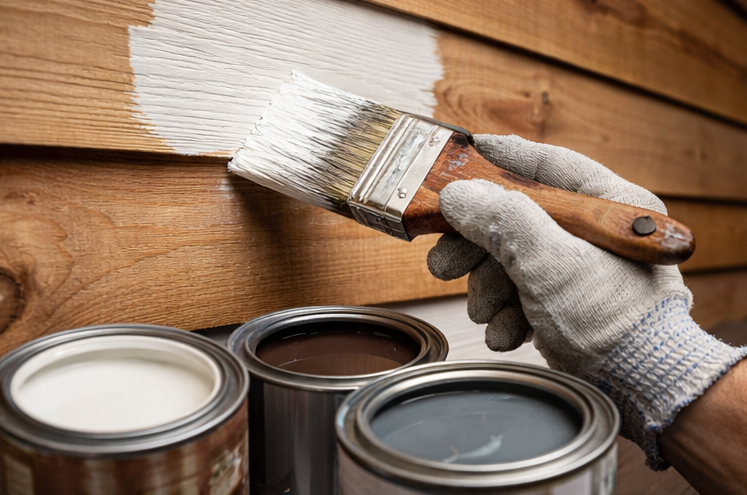
Wood siding is often selected for architectural authenticity, particularly in historic homes or regions where traditional materials are preferred.
Cost Profile
Installed costs typically range from $9 to $18 per square foot, though premium species such as cedar or redwood can exceed that range. Total project cost for a 2,000-square-foot home often lands between $18,000 and $35,000 depending on wood type and finish.
Installation is labor-intensive. Wood requires careful alignment, sealing, and finishing. Homes with custom millwork or decorative trim further increase labor hours.
Maintenance Requirements
Wood siding requires ongoing maintenance:
Painting or staining every 3–7 years
Inspection for rot and insect damage
Occasional board replacement
Typical lifespan: 20–40 years, though well-maintained wood can last longer.
Moisture management is critical. In humid or rainy climates, maintenance costs accumulate more rapidly than with vinyl or fiber cement.
Long-Term Financial Implications
Wood offers strong curb appeal and may increase perceived property value in certain markets. However, its lifetime cost often exceeds both vinyl and fiber cement due to maintenance frequency.
For homeowners prioritizing long-term budget predictability, wood requires careful cost projection beyond installation alone.
Labor Variables and Regional Pricing Differences
Siding replacement cost is heavily influenced by labor conditions across the United States. States with higher prevailing wages, strict building codes, or strong contractor demand generally see elevated installation costs.
Key labor variables include:
Number of stories (multi-story homes require scaffolding)
Removal complexity of existing siding
Structural repairs beneath old siding
Seasonal demand (spring and summer peak pricing)
Permit requirements and inspections
In coastal regions, additional moisture barriers or corrosion-resistant fasteners may increase material costs. Northern states may require thicker insulation upgrades during siding replacement to meet energy codes.
Because siding projects intersect with insulation and exterior envelope performance, they often tie into broader considerations found within complete home repair and replacement cost planning across the US, especially when combined with roofing, window, or exterior trim upgrades.
Energy Efficiency and Insulation Considerations
While siding itself provides limited insulation, certain products integrate insulated backing. Vinyl with foam backing slightly improves thermal performance, though it does not replace full wall insulation upgrades.
Fiber cement and wood offer minimal intrinsic insulation. However, replacing siding creates an opportunity to:
Add house wrap improvements
Install rigid foam board insulation
Seal air leaks around windows and doors
Energy efficiency upgrades can increase project cost by $1–$4 per square foot but may reduce long-term heating and cooling expenses.
In colder climates, improved insulation during siding replacement may produce measurable energy savings. In moderate climates, the financial return may be more gradual.
Resale Value and Return on Investment
Exterior remodeling projects tend to rank favorably in resale value assessments. According to national remodeling cost analyses, siding replacement often recoups 60–80% of its cost at resale, depending on material and regional housing market conditions.
Fiber cement frequently reports stronger resale recovery percentages compared to vinyl. Wood’s return varies significantly by region and neighborhood expectations.
However, resale value is influenced by:
Overall property condition
Market demand
Competing homes in the area
Quality of installation
Improper installation can reduce both durability and resale appeal, regardless of material type.
Comparing Long-Term Cost Trajectories
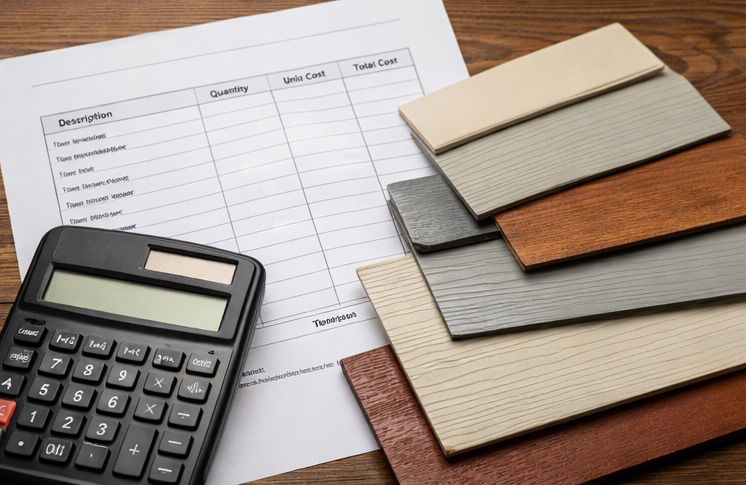
Looking beyond initial siding replacement cost reveals distinct long-term financial patterns.
Vinyl
Lower upfront cost
Minimal maintenance expenses
Moderate lifespan
Potential for earlier full replacement in extreme climates
Fiber Cement
Higher upfront cost
Periodic repainting expenses
Longer structural lifespan
Strong durability in varied climates
Wood
High upfront cost
Frequent maintenance spending
Vulnerable to moisture and pests
Strong aesthetic appeal in select markets
Over a 30-year horizon, vinyl may require one full replacement cycle in harsher climates, while fiber cement may only need repainting. Wood may require multiple repainting cycles and periodic repairs.
Total lifecycle cost often narrows the price gap between materials more than initial estimates suggest.
Practical Considerations Before Choosing a Material
Several factors help determine which siding material aligns with a homeowner’s situation:
Climate conditions (humidity, wildfire risk, freeze-thaw cycles)
HOA or historical district restrictions
Desired maintenance involvement
Planned length of home ownership
Insurance considerations
Neighborhood material standards
For example, in wildfire-prone areas, non-combustible fiber cement may reduce insurance risk exposure. In historic districts, wood may be required by local guidelines.
Financing also affects decision-making. Some homeowners pay cash, while others use home equity loans or renovation financing, making monthly payment impact part of the evaluation.
Careful contractor selection is equally important. Installation quality significantly affects siding performance, moisture control, and structural protection.
Final Analytical Perspective
Siding replacement cost in the United States varies not just by material but by climate, labor conditions, maintenance expectations, and ownership timeline. Vinyl offers lower upfront investment and simplified upkeep. Fiber cement presents a balance of durability and moderate maintenance. Wood delivers architectural character with higher long-term involvement.
Rather than focusing solely on initial price per square foot, homeowners benefit from evaluating 20- to 30-year cost projections, regional environmental conditions, and resale context. Material choice ultimately shapes not only project budget but also future maintenance obligations and property positioning within the local market.