buildcostguide.site – Door replacement cost in the US varies widely by door type, materials, and labor learn what interior vs exterior doors really cost before you decide.
You notice it the first time your front door sticks on a humid morning. Then again when the bedroom door won’t latch unless you push it just right. At some point, the small annoyance turns into a question: is it worth fixing, or is it time to replace the door entirely?
That decision often comes down to cost. But “door replacement cost” isn’t a single number. It changes depending on whether you’re replacing an interior door or an exterior one, the materials involved, and how complex the installation is. What looks like a simple swap can quickly turn into a project with hidden variables.
Why Interior and Exterior Door Costs Are Not Comparable
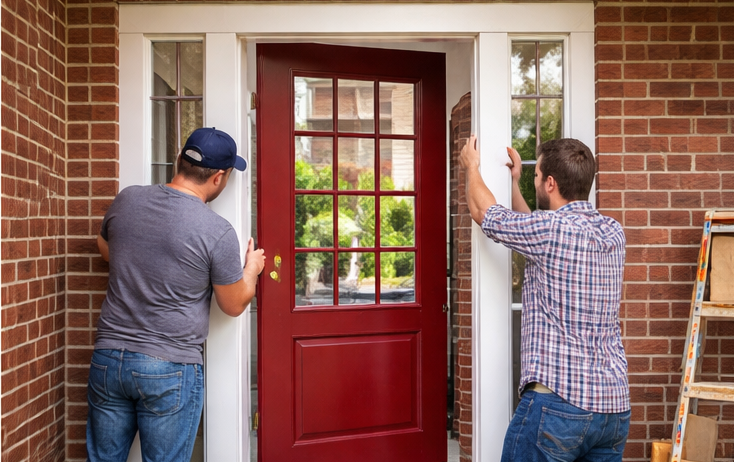
At a glance, a door is a door. In practice, interior and exterior doors serve very different purposes, and that difference drives cost.
Interior doors are primarily about privacy and aesthetics. They’re lighter, thinner, and usually made from materials like hollow core wood or MDF. Because they don’t need to withstand weather or provide security, they are simpler to manufacture and easier to install.
Exterior doors carry more responsibility. They protect against weather, improve energy efficiency, and contribute to home security. That means they are heavier, often insulated, and built with stronger materials like solid wood, steel, or fiberglass.
This difference shows up immediately in pricing. A basic interior door replacement may cost between $150 and $400 installed. An exterior door replacement often starts around $500 and can exceed $2,500 depending on materials and labor.
The mistake many homeowners make is assuming labor will be similar for both. It’s not. Exterior doors require precise sealing, alignment, and sometimes structural adjustments. That adds time, which adds cost.
Interior Door Replacement Cost Breakdown
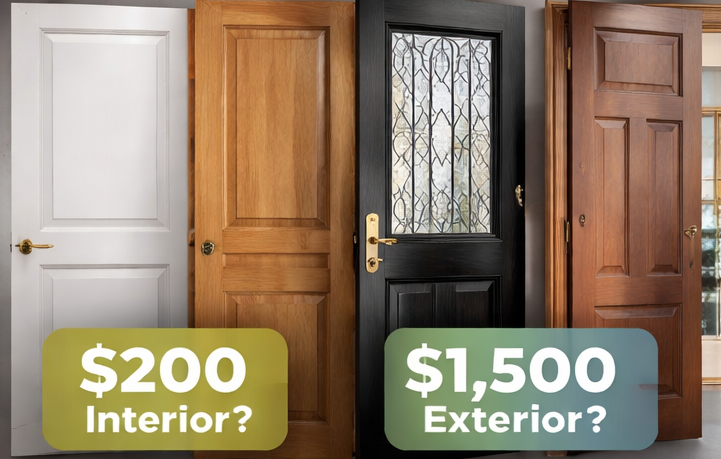
Interior door replacement seems straightforward, but costs vary more than most expect.
The cheapest option is a hollow core door slab. These are lightweight and cost as little as $30 to $80 for the door itself. However, this price only applies if you’re reusing the existing frame and hardware. Once you add hinges, handles, and labor, the total project cost typically lands between $150 and $300 per door.
Solid core doors sit in the middle range. They offer better sound insulation and a more substantial feel. Expect door prices between $70 and $250, with total replacement costs reaching $300 to $600 installed.
Custom or solid wood interior doors push the upper range. These are often chosen for design consistency in higher-end homes. Costs can reach $800 or more per door, especially if custom sizing is involved.
A common mistake is underestimating labor complexity. If the door frame is warped or out of square, the installer may need to adjust or replace it. That adds $100 to $300 to the project.
Another overlooked factor is trim and paint. Replacing a door often means touching up surrounding areas. If you’re hiring professionals for finishing, expect an additional $50 to $150 per door.
For homeowners managing multiple upgrades, interior doors are often bundled into broader renovation planning. This is where a resource like the complete home repair cost breakdown becomes useful for understanding how these smaller projects stack up.
Exterior Door Replacement Cost Breakdown
Exterior doors are where costs escalate quickly, and for good reason.
The entry-level option is a steel door. These are durable, relatively affordable, and provide good security. A basic steel door costs between $150 and $400, but installation brings the total to $500 to $1,200.
Fiberglass doors offer better insulation and can mimic the look of wood without the maintenance. These typically cost $300 to $1,000 for the door alone, with total installed costs ranging from $800 to $2,000.
Solid wood doors are the premium option. They offer unmatched aesthetics but require regular maintenance. Prices often start at $800 and can exceed $3,000 with installation.
Labor is a bigger factor here. Installing an exterior door may involve:
Adjusting the opening
Replacing or repairing the frame
Installing weatherproofing
Ensuring proper insulation and sealing
Each of these steps adds time and cost. Labor alone can range from $300 to $1,000 depending on complexity.
Another cost driver is whether the door includes glass panels or sidelights. These features improve natural light but increase both material and installation costs.
Homeowners often underestimate how much exterior doors impact energy efficiency. A poorly installed door can lead to drafts and higher utility bills. In some cases, spending more upfront on a high-quality door reduces long-term costs.
Hidden Costs That Change Your Budget
The quoted price for a door rarely reflects the final bill. Hidden costs are where many budgets go off track.
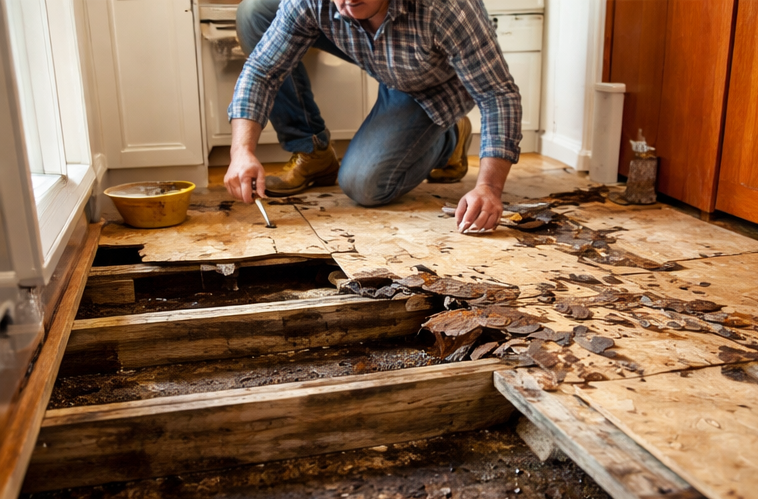
One common issue is frame damage. If the existing frame has rot, water damage, or structural problems, it must be repaired or replaced. This can add $200 to $600.
Another factor is wall condition. Removing an old door can reveal issues with drywall, insulation, or even wiring. Fixing these problems increases both labor time and material costs.
Permits are another variable, especially for exterior doors. Some municipalities require permits for structural changes, which can add $50 to $200.
Disposal fees also come into play. Contractors often charge $20 to $100 to remove and dispose of old doors.
Then there’s hardware. Many estimates exclude handles, locks, and hinges. High-quality hardware can add $50 to $300 depending on style and security features.
A realistic budget should always include a contingency. Adding 10 to 20 percent to your estimate helps absorb these unexpected costs without stress.
When Replacing a Door Is Not the Best Option
Not every door problem requires replacement. In some cases, repair is more practical and cost-effective.
If the issue is cosmetic, such as scratches or minor dents, refinishing or repainting can extend the door’s life at a fraction of the cost.
Alignment problems are also common. Doors that stick or don’t close properly often just need hinge adjustments or minor frame corrections. These fixes typically cost under $150.
Weather stripping and sealing issues can also mimic the need for replacement. Replacing worn seals is inexpensive and can significantly improve energy efficiency.
However, there are clear signs replacement is the better choice. These include:
Structural damage or warping
Significant drafts or energy loss
Security concerns with exterior doors
Outdated design affecting home value
The key is evaluating function versus cost. Spending $300 on repeated repairs may not make sense if a $600 replacement solves the issue permanently.
How Door Replacement Fits Into Larger Home Upgrades
Door replacement rarely happens in isolation. It often aligns with broader home improvement projects.
For example, replacing an exterior door may lead homeowners to consider upgrading nearby elements like windows. Costs and energy efficiency gains are closely related. A deeper look at window replacement pricing by material and glass type helps put those decisions into perspective.
Garage doors are another related upgrade. They play a similar role in security and insulation but come with different cost dynamics. Understanding garage door replacement cost differences can help prioritize which upgrades deliver the most value.
Timing matters. Bundling projects can reduce labor costs since contractors are already on-site. It also ensures design consistency across the home.
That said, combining projects isn’t always ideal. Budget constraints or seasonal factors may make it better to phase upgrades over time.
Replacing a door seems like a small decision, but it sits at the intersection of cost, functionality, and long-term value. Interior doors offer a relatively low-cost way to refresh a space. Exterior doors demand more investment but directly impact comfort, security, and efficiency.
The real challenge isn’t just choosing a door. It’s understanding what you’re actually paying for, and why the price can vary so much from one project to another.