buildcostguide.site – When your water heater starts failing, the first question most homeowners ask isn’t about features or brands. It’s about cost. Specifically, how much does it cost to replace a water heater in the United States—and how does the price differ between a traditional tank system and a tankless unit
Understanding the financial difference between these two options is essential before scheduling an installation. The upfront expense, long-term operating costs, and home compatibility factors can vary significantly. This guide focuses specifically on water heater replacement cost in the US, comparing tank and tankless systems in practical, real-world terms.
Average Water Heater Replacement Cost in the US
In the United States, replacing a traditional storage tank water heater typically costs between $1,100 and $3,500, including equipment and professional installation. Electric models tend to fall at the lower end of that range, while gas-powered units are often more expensive due to venting requirements and labor.
Tankless water heater replacement generally ranges from $3,000 to $7,500 or more. The higher upfront cost reflects both the equipment price and the additional labor often required to retrofit plumbing, gas lines, or electrical systems.
These figures represent national averages. Local labor rates, permit requirements, and access complexity can move costs up or down depending on your region and home layout.
Why Tank Systems Cost Less Upfront
Traditional tank water heaters remain common in American homes for a reason. They are simpler systems with standardized installation requirements.
Equipment Pricing
A standard 40- to 50-gallon tank water heater typically costs between $500 and $1,500 for the unit itself. Electric models are usually less expensive than gas units.
Tank systems are mass-produced and widely available, which helps stabilize pricing across the country.
Installation Simplicity
If you’re replacing an existing tank system with another tank model in the same location, installation is often straightforward. The plumbing connections, venting path, and energy source are already in place.
In many cases, this means:
Minimal structural changes
No need to upgrade gas lines
No electrical panel modifications
That simplicity reduces labor time and overall project cost.
However, if the replacement requires bringing older installations up to modern building code standards, costs may increase.
Why Tankless Systems Cost More

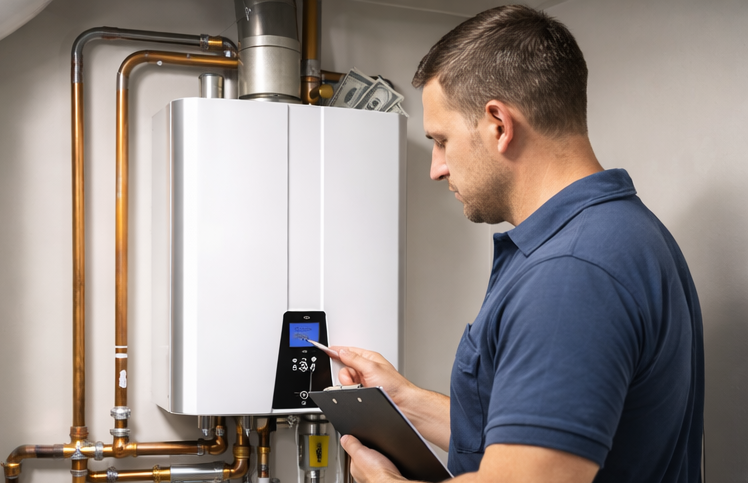
Tankless water heaters heat water on demand rather than storing it. While this design offers efficiency advantages, it often requires more extensive installation work.
Higher Equipment Costs
Tankless units generally cost between $1,500 and $3,500 for the equipment alone. Premium models, larger capacity systems, or units designed for high-demand households may cost more.
Unlike tank systems, tankless heaters rely on advanced heating components and electronic controls, which contribute to the higher price.
Retrofit Expenses
The most significant cost driver for tankless replacement is retrofitting. Many homes built with tank systems require upgrades such as:
Larger gas supply lines
Dedicated high-voltage electrical circuits
New venting systems
Wall mounting adjustments
In some homes, especially older properties, these upgrades can add thousands to the total project cost.
If your plumbing system is already due for updates, the economics of installing a tankless unit may change. For homeowners planning a broader plumbing overhaul, reviewing these expenses within a comprehensive overview of home repair and replacement expenses in the United States can help determine whether coordinated upgrades make financial sense.
Operating Costs and Energy Efficiency Differences
Upfront cost is only part of the equation. Long-term operating expenses can shift the financial picture over time.
Tank Water Heater Operating Costs
Tank systems continuously heat stored water, even when not in use. This standby heat loss increases energy consumption.
In the US, annual operating costs for a gas tank heater often range from $200 to $400, depending on fuel prices and household usage. Electric units can be slightly higher depending on local electricity rates.
Tankless Operating Costs
Tankless systems heat water only when needed. This eliminates standby heat loss and can improve efficiency, particularly in households with moderate daily use.
Energy savings vary by region and usage pattern. Some homeowners see noticeable reductions in monthly utility bills, while others see modest differences. The payback period for the higher upfront investment typically depends on local energy rates and how long you plan to stay in the home.
For broader context on how this project fits into overall housing expenses, many homeowners review comprehensive resources such as the national home repair and replacement cost breakdown in the US housing market to understand how water heater upgrades compare to other common investments.
Lifespan and Replacement Frequency
Another financial consideration is system longevity.
Traditional tank water heaters usually last between 8 and 12 years. In areas with hard water, lifespan can be shorter without regular maintenance.
Tankless systems often last 15 to 20 years when properly maintained. That extended lifespan may offset part of the higher upfront cost, particularly for homeowners who expect to remain in their property long-term.
However, maintenance requirements differ. Tankless units require periodic descaling to prevent mineral buildup. Neglecting this maintenance can shorten system life and increase repair costs.
Installation Variables That Influence Total Cost
Even within the same system type, replacement costs can vary widely. Several factors influence final pricing.
Fuel Type
Gas water heaters often cost more to install than electric models due to venting and gas line requirements. In some areas, switching from electric to gas may require significant upgrades.
Home Age and Plumbing Condition
Older homes may not meet current building codes. Installers may need to:
Add expansion tanks
Upgrade shut-off valves
Improve venting
Replace corroded connections
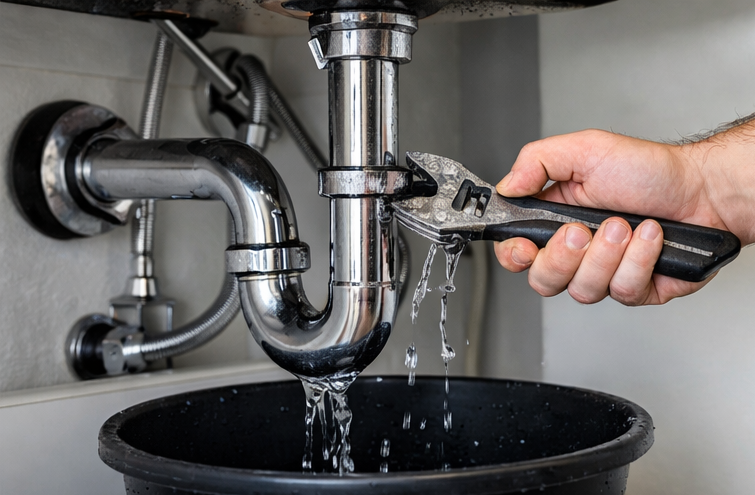
If underlying plumbing issues exist, replacement costs may increase. For instance, hidden leaks discovered during installation could require additional work similar to costs typically encountered for residential plumbing repairs across different regions and pipe materials in the U.S.
Permit and Inspection Fees
Most municipalities require permits for water heater replacement. Permit costs typically range from $50 to several hundred dollars depending on local regulations. Inspections may also be mandatory.
Location Within the Home
Replacing a unit in a garage or basement is usually simpler than accessing one installed in a tight attic or crawl space. Limited access increases labor time.
When a Tank Replacement Makes More Financial Sense
A traditional tank replacement may be financially practical if:
Your existing system is already tank-based
Your household water demand is moderate
Your budget prioritizes lower upfront cost
You plan to sell the home within a few years
In many markets, a standard tank replacement is viewed as routine maintenance rather than a value-adding upgrade. This doesn’t diminish its importance—it simply reflects how buyers typically evaluate utility systems.
When Tankless May Be Worth the Investment
Tankless systems often appeal to homeowners who:
Plan to stay in the home long-term
Want improved energy efficiency
Need continuous hot water for larger households
Are already upgrading plumbing or gas infrastructure
In some real estate markets, tankless systems are viewed as a modern upgrade. However, the impact on resale value varies by region and buyer expectations.
It’s also important to note that installation quality matters significantly. Poorly sized or improperly installed tankless units can lead to inconsistent performance, reducing the expected benefits.
Key Questions to Ask Before Deciding

Before committing to either option, homeowners should consider:
What is the total installed cost, not just equipment pricing
Does my current plumbing and energy system support tankless without major upgrades
How long do I plan to stay in this home
What are local energy rates
What maintenance requirements am I prepared to manage
Getting multiple written estimates from licensed contractors is standard practice in the US. Detailed quotes help clarify whether a higher initial investment translates into meaningful long-term value.
Final Cost Perspective
Water heater replacement cost in the US depends heavily on system type, home infrastructure, and regional labor rates. Traditional tank systems generally offer lower upfront expense and simpler installation. Tankless systems require a larger initial investment but may provide efficiency gains and longer lifespan.
The right choice isn’t universal. It depends on your household’s usage patterns, budget flexibility, and long-term housing plans. Evaluating both immediate installation costs and broader infrastructure factors allows for a more informed decision tailored to your specific property and goals.