buildcostguide.site – A detailed look at termite damage repair cost in the US, including inspection fees, treatment options, and structural repair pricing homeowners may face.
Termites rarely cause visible problems overnight. Damage usually accumulates quietly over months or years, often inside walls, beneath floors, or within structural wood components. By the time signs appear—such as sagging floors, hollow wood, or mud tubes—the repair process can involve far more than a simple extermination visit.
Understanding termite damage repair cost in the United States requires looking at multiple stages of the problem. Inspection, extermination treatment, and structural repairs each carry separate costs, and the final price depends heavily on the extent of damage and the parts of the house affected.
Inspection and Damage Assessment Costs
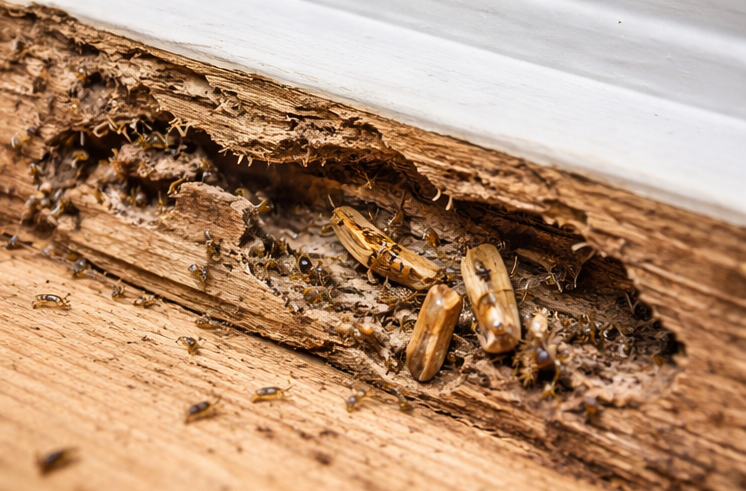
Before any treatment begins, a professional termite inspection determines the scope of the infestation and evaluates potential structural damage. In many regions, standalone termite inspections typically range between $75 and $250, though some pest control companies waive the fee if treatment services are purchased afterward.
The inspection stage plays an important role in estimating broader repair expenses. Termites often target load-bearing wood components, including joists, support beams, and framing lumber. When these areas are compromised, the cost may extend beyond pest control into broader structural repair categories similar to other home restoration projects outlined in comprehensive guides like this breakdown of common residential repair pricing across the US.
A thorough inspection may also involve moisture readings, probing damaged wood, and identifying entry points around foundations or crawl spaces. Inspectors typically provide written reports describing the severity of damage, the type of termites involved—commonly subterranean or drywood—and recommended treatment methods.
Termite Treatment Methods and Pricing
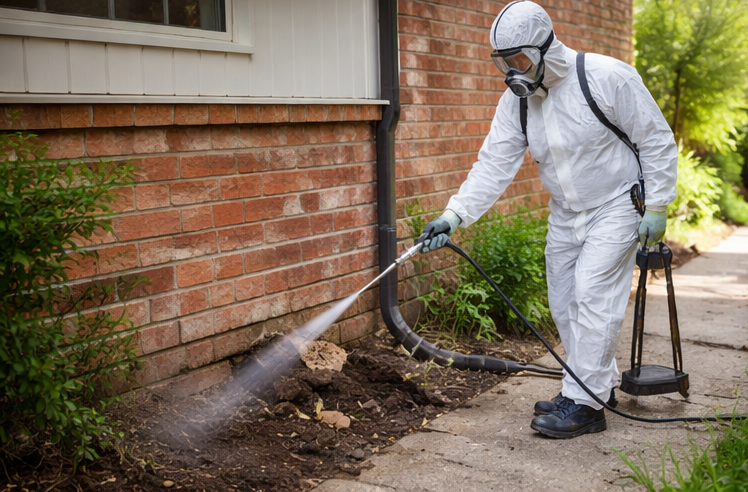
After confirming an infestation, the next step involves eliminating the termite colony. Treatment methods vary significantly depending on termite species, infestation size, and home construction.
Liquid Soil Treatments
Liquid termiticides are one of the most widely used solutions for subterranean termites. Technicians apply a chemical barrier around the home’s perimeter by trenching and drilling into soil near the foundation.
Typical costs range from $800 to $2,500 for an average single-family home. Larger properties or homes with complex foundations may fall closer to the upper end of that range.
The barrier prevents termites from entering while also eliminating existing colonies that travel through treated soil.
Termite Bait Systems
Bait stations placed around the home perimeter attract worker termites carrying poisoned bait back to the colony. This approach is slower but effective for long-term monitoring.
Installation usually costs between $1,200 and $3,000, with annual monitoring plans adding $200 to $400 per year. Many homeowners choose this system for ongoing prevention after an infestation is removed.
Localized Drywood Termite Treatments
Drywood termites often live entirely within wooden structures rather than soil. In smaller infestations, localized treatments may involve injecting insecticides into affected wood.
Costs typically range from $300 to $1,200 depending on the number of treatment points and accessibility of the infested areas.
For severe infestations affecting large portions of a structure, full-home fumigation may be required, which often ranges from $1,500 to $4,000 or more.
Structural Repairs After Termite Damage
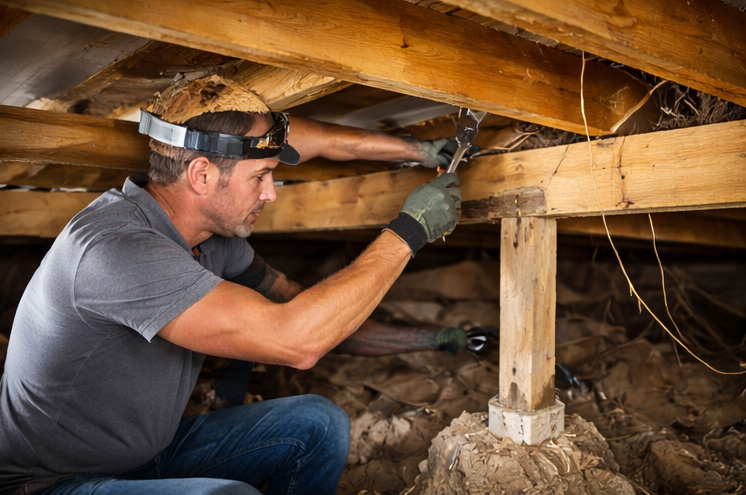
Extermination removes the insects, but it does not reverse the damage they leave behind. Structural repairs frequently account for the largest portion of termite damage repair expenses.
Termites primarily consume cellulose in wood framing. Over time this can weaken floor joists, wall studs, roof rafters, and support beams. Repairing these elements requires carpentry work that may involve partial demolition and reconstruction.
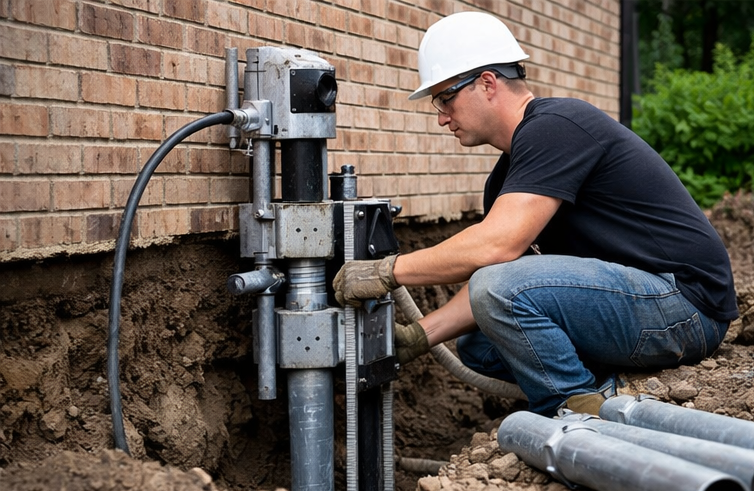
When termite activity affects load-bearing structural areas near the base of the home, repairs can overlap with structural stabilization projects similar to those discussed in this analysis of repair approaches and pricing for damaged foundations. In such cases, contractors may need to reinforce beams, replace sill plates, or install additional supports to restore stability.
Typical structural repair costs vary widely:
Minor wood replacement: $500 – $2,000
Partial framing repairs: $2,000 – $6,000
Extensive structural reconstruction: $8,000 – $20,000+
The final cost depends heavily on accessibility and the number of structural components involved.
Crawl Space and Subfloor Damage
Many termite infestations originate in crawl spaces where humidity, exposed wood, and soil contact create favorable conditions for colonies. Unfortunately, these areas are also among the most difficult parts of a home to inspect and repair.
Damage in crawl spaces often involves floor joists, rim joists, support posts, and subfloor panels. Repair work may require lifting sections of flooring above the damaged area to replace structural lumber.
Moisture management frequently becomes part of the repair process. High humidity levels contribute to wood decay and termite attraction, so contractors sometimes recommend additional work such as vapor barriers, insulation replacement, or improved drainage systems.
These combined structural and moisture-control upgrades are similar to the types of projects covered in detailed pricing breakdowns for crawl space restoration and structural repair work, where costs can vary significantly depending on moisture damage and accessibility.
For homes with large crawl spaces, repairs may reach $5,000 to $15,000 when structural replacement, insulation, and moisture mitigation are addressed together.
Factors That Influence Total Repair Costs
The wide range in termite damage repair costs comes down to several key variables that determine how extensive repairs become.
Extent of the infestation.
Small, localized infestations are usually less expensive to resolve. Large colonies that remain undetected for years can affect multiple structural areas.
Location of the damage.
Damage confined to non-structural trim or decorative wood is relatively inexpensive to repair. Damage involving framing, floor systems, or roof supports increases costs significantly.
Accessibility of the affected area.
Repairs inside walls, ceilings, or crawl spaces require more labor. Contractors may need to remove drywall, flooring, or insulation to reach damaged components.
Home size and construction style.
Larger homes require more treatment materials and labor. Older homes with traditional wood framing can sometimes experience more extensive termite activity.
Regional labor costs.
Repair pricing varies widely across the US. Metropolitan areas with higher construction labor rates tend to have higher structural repair costs.
These factors explain why two homes with similar infestations may end up with very different repair estimates.
Insurance, Prevention, and Budget Planning
One of the most surprising aspects for homeowners is that termite damage is rarely covered by standard homeowners insurance policies. Insurers typically consider termite activity a preventable maintenance issue rather than a sudden accident.
As a result, homeowners are usually responsible for both extermination and structural repair costs.
Preventive measures can significantly reduce long-term risk. Routine termite inspections every one to two years help identify early signs of infestation before structural damage occurs. Moisture control around foundations, proper drainage, and keeping wood materials away from soil contact are also widely recommended preventive strategies.
From a financial perspective, many homeowners choose to set aside a maintenance reserve fund for pest control and structural upkeep. While termite damage repair cost varies widely, early intervention typically keeps total expenses far lower than large-scale structural reconstruction.