buildcostguide.site – When a septic system starts failing, most homeowners aren’t thinking about upgrades—they’re thinking about urgency. Slow drains, soggy patches in the yard, or recurring backups can quickly turn into health and property concerns. At that point, one question becomes unavoidable: what is the real septic tank replacement cost in the United States?
The answer depends on more than just the tank itself. Soil conditions, local permitting rules, property layout, and system design all influence the final bill. Understanding these variables can help homeowners prepare financially and avoid surprises during the replacement process.
Why Septic Tank Replacement Is So Expensive
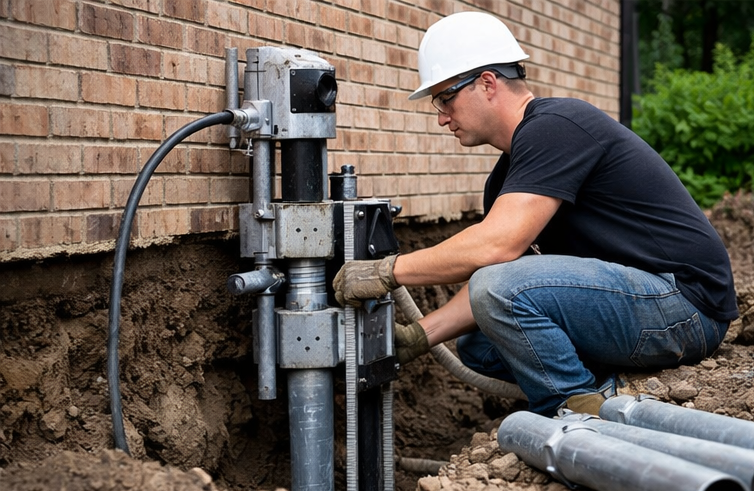
Septic systems are buried infrastructure. Replacing one is not a simple swap—it’s a coordinated construction project involving excavation, plumbing reconnection, inspection, and restoration of disturbed land.
A typical septic tank replacement cost in the US ranges from $3,500 to $10,000, though more complex systems can exceed $15,000. The national average often falls between $6,000 and $8,000 for a standard residential property.
Several components are included in that estimate:
Removal or abandonment of the old tank
Purchase of a new tank (concrete, fiberglass, or polyethylene)
Excavation and heavy equipment use
Labor for installation and plumbing reconnection
Permits and inspections
Soil testing if required
Landscaping restoration
Costs increase when drain fields must also be replaced, which can add $5,000 to $15,000 or more depending on the size and soil absorption capacity.
Key Factors That Influence Septic Tank Replacement Cost
No two properties are identical. Even homes in the same neighborhood may receive significantly different estimates.
Tank Size and Household Usage
Septic tanks are sized according to home square footage and number of bedrooms. A three-bedroom home typically requires a 1,000-gallon tank, while larger homes may need 1,250 to 1,500 gallons.
Larger tanks cost more not only in materials but also in excavation depth and equipment requirements.
Soil Conditions and Drain Field Requirements

Soil composition directly affects installation complexity. Sandy soil drains well and usually requires less engineering. Clay-heavy soil drains slowly and may require larger or specially designed drain fields.
In some regions, health departments mandate percolation (perc) tests before issuing replacement permits. If soil fails testing, alternative systems such as mound or aerobic systems may be required, increasing total project cost significantly.
Accessibility of the Installation Site
If heavy equipment can easily access the yard, labor costs tend to be lower. Narrow lots, fenced areas, steep slopes, or landscaped backyards may require additional labor hours or smaller specialized machinery.
Driveway removal or tree removal can also increase project scope.
Regional Labor and Permit Costs
Labor rates vary widely across the country. Replacement in rural Midwest areas often costs less than in coastal states like California, Washington, or parts of the Northeast.
Permit fees range from under $200 in some counties to over $1,000 in areas with strict environmental regulations.
Homeowners who are evaluating multiple infrastructure repairs at once often compare septic costs with other major plumbing work, such as the main water line replacement cost in the U.S. to the street, since both projects typically involve excavation and coordination with the local municipality.
When Replacement Is Necessary Instead of Repair
Not every septic issue requires full replacement. In some cases, repairs may extend system life for several years.
However, replacement becomes more likely when:
The tank is cracked or structurally compromised
The system is over 25–40 years old
There is recurring drain field failure
Sewage backs up despite pumping and maintenance
The system no longer meets updated local code
Older steel tanks are especially prone to corrosion and collapse. Concrete tanks, while more durable, can deteriorate over decades.
Sometimes homeowners go through several rounds of repairs before realizing that a full replacement may offer better long-term value. Reviewing septic system costs within a comprehensive overview of home repair and replacement expenses in the United States can help put those decisions into perspective, especially when comparing a major one-time investment to the ongoing cost of repeated service visits.
What’s Included in a Typical Replacement Estimate
Contractor quotes can vary in structure. Some offer a bundled price, while others itemize components.
Here’s what is generally included:
Tank Removal or Decommissioning
In many jurisdictions, old tanks must be removed entirely. In others, they can be pumped, crushed, and filled with sand or gravel before burial.
Full removal is more expensive but may be required if the tank is structurally unsafe.
Excavation and Site Preparation
Heavy equipment is used to expose the old tank and prepare the new tank site. Depth, soil condition, and weather can influence how long this phase takes.
New Tank Installation
Concrete tanks are common and durable but heavier and more expensive to transport. Fiberglass and polyethylene tanks are lighter and often easier to install but may cost more upfront depending on region.
Drain Field Work (If Required)

If the drain field is failing, this portion can become the largest part of the project budget. Modern regulations sometimes require larger fields than those originally installed decades ago.
Inspections and Final Approval

County or state health departments typically inspect the installation before approving system use. Final grading and soil compaction may be required before sign-off.
For broader context on how septic replacement fits within overall property maintenance expenses, many homeowners consult resources like this comprehensive breakdown of residential repair pricing across the country:
[Home Repair and Replacement Costs in the US: Complete Pricing Guide](Home Repair and Replacement Costs in the US: Complete Pricing Guide).
Financial Implications for Homeowners
Septic replacement is rarely planned years in advance. That makes the financial impact more significant.
Insurance Coverage
Most homeowners insurance policies do not cover septic tank replacement due to age or wear and tear. However, damage caused by specific covered events—such as a fallen tree damaging the tank—may qualify.
Separate septic insurance riders are available in some states but are not universal.
Home Value Considerations
A failing septic system can delay or derail a home sale. Lenders often require proof of a functioning system before closing.
While replacement is costly, a new septic system can remove negotiation pressure during resale and provide reassurance to buyers.
Financing Options
Because replacement costs can exceed $10,000, some homeowners explore:
Home equity loans or lines of credit
Personal loans
Contractor financing programs
Local government low-interest septic upgrade programs (available in select counties)
Interest rates and eligibility vary by state and credit profile.
Regional Cost Differences Across the US
Geography plays a meaningful role in septic tank replacement cost.
Northeast
States like Massachusetts and New York often have stricter environmental regulations and higher labor costs. Replacement projects in these states frequently fall in the upper national range.
Midwest
Costs in states such as Ohio, Indiana, or Missouri tend to be closer to or slightly below national averages, assuming standard soil conditions.
South
In many Southern states, sandy soil can simplify installation. However, flood-prone areas may require elevated or engineered systems, increasing complexity.
West Coast
California, Washington, and Oregon frequently require updated system designs that comply with modern environmental protections. Permit fees and labor costs can push totals above $15,000 for complex systems.
Local building codes and health department requirements should always be verified before budgeting.
Planning Considerations Before Moving Forward
Homeowners facing septic replacement often benefit from slowing down long enough to evaluate a few practical factors.
Get Multiple Licensed Estimates
Septic installation must comply with local health regulations. Working with licensed, insured contractors ensures adherence to state and county standards.
Comparing at least two or three estimates helps clarify scope differences and pricing transparency.
Confirm Permit Requirements
Some counties require engineered drawings or soil studies before approval. Others have streamlined replacement procedures if the system footprint remains unchanged.
Understanding the approval timeline can prevent unexpected delays.
Evaluate Long-Term System Type
Standard gravity systems are common, but alternative systems—like aerobic treatment units—may offer environmental advantages in certain soil conditions. These systems can carry higher installation and maintenance costs.
Long-term operating expenses, including pumping frequency and maintenance contracts, should factor into decision-making.
Consider Future Property Plans
If a homeowner plans to expand the home, add bedrooms, or build an accessory dwelling unit, septic capacity requirements may increase.
Replacing a tank with minimal capacity now could limit future options.
Understanding the Bigger Picture of Underground Infrastructure
Septic tank replacement is part of a broader category of hidden infrastructure expenses. Unlike visible renovations, these systems operate quietly beneath the surface—until something fails.
Homes with private septic systems often also rely on private wells, buried water lines, and aging underground plumbing. Coordinating major excavation projects strategically can sometimes reduce overall disruption.
For example, if both a failing septic system and a deteriorating water service line are present, scheduling work sequentially may reduce repeated landscaping restoration costs.
While these projects are significant, they also protect long-term property health and environmental safety. A properly installed septic system can last 20 to 40 years with routine pumping and maintenance.
The key is understanding the full scope of septic tank replacement cost before committing. Informed homeowners are better positioned to evaluate contractor proposals, anticipate regulatory requirements, and make decisions that align with their financial plans and long-term property goals.