buildcostguide.site – When your heating or cooling system stops working properly, the immediate concern is comfort—but the next question is usually about hvac repair cost. For many U.S. homeowners, repair pricing can feel unpredictable, especially when issues arise during extreme weather.
The reality is that residential HVAC repairs tend to follow recognizable pricing patterns. Costs vary based on the type of problem, the system involved, and local labor rates. Understanding these variables helps homeowners interpret estimates more confidently and plan household budgets with fewer surprises.
This article focuses specifically on average residential HVAC repair pricing in the United States and the practical factors that shape what homeowners typically pay.
What Counts as an HVAC Repair in U.S. Homes
HVAC repair is a broad category that covers work performed on heating, ventilation, and air conditioning equipment. In most American homes, this includes central air conditioners, furnaces, heat pumps, and related control components.
A standard residential repair visit often includes:
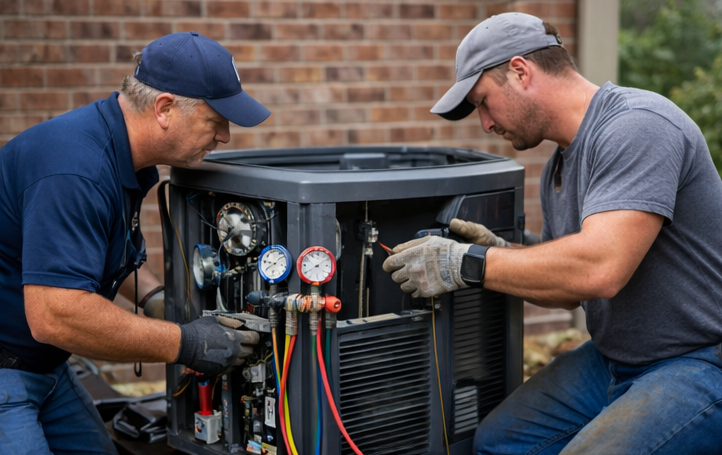
System diagnostics
Electrical testing
Replacement of small components
Labor for installation or adjustment
Operational testing after the fix
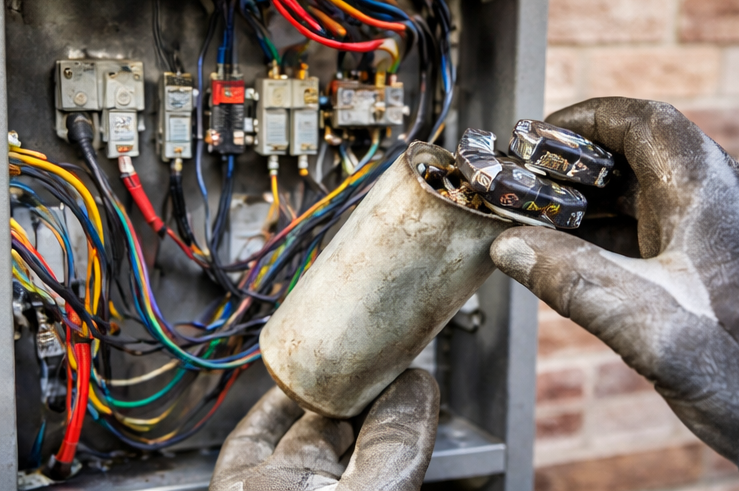
However, the scope can vary widely. Replacing a capacitor is very different from repairing a refrigerant leak or installing a new blower motor.
Most service calls in the United States begin with a diagnostic fee, typically ranging from $75 to $150. Some contractors apply this fee toward the repair, while others treat it as a separate charge.
Average HVAC Repair Cost Across the United States
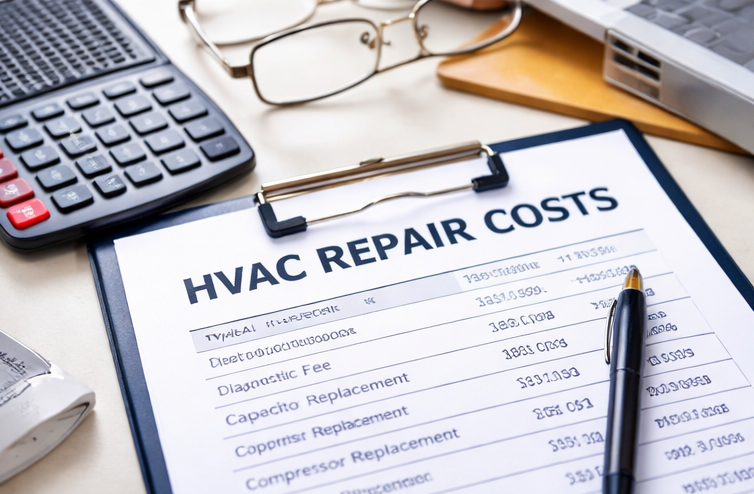
While every home and system is different, national data shows that hvac repair cost usually falls within a predictable range for residential properties.
Typical residential ranges:
Minor repairs: $100–$350
Moderate repairs: $350–$900
Major repairs: $900–$2,000+
These ranges reflect common pricing across many U.S. markets. Homes in higher-cost metro areas—such as parts of California, the Northeast, and major urban centers—often land near the upper end.
Common Residential Repair Examples
To provide context, here are typical price ranges homeowners often encounter.
Thermostat replacement
$150–$400 installed
Capacitor replacement
$120–$350
Contactor replacement
$150–$350
Blower motor repair or replacement
$400–$1,200
Refrigerant leak repair and recharge
$300–$1,500
Compressor replacement
$1,200–$2,500+
These figures represent general residential averages and can vary based on system size, accessibility, and regional labor rates.
Key Factors That Drive HVAC Repair Pricing
Several variables influence how much homeowners ultimately pay. Even similar systems can produce very different repair estimates depending on the situation.
System Age and Condition
Older HVAC systems often cost more to repair. Components may be harder to source, and technicians sometimes need additional time to diagnose wear-related problems.
According to the U.S. Department of Energy, typical HVAC equipment lifespans range from about 10 to 20 years depending on maintenance and usage. As systems approach the later stages of that range, repair frequency tends to increase.
Type of Failure
Electrical issues—such as failed capacitors or relays—usually fall on the lower end of the price spectrum. Mechanical failures involving sealed components tend to be more expensive.
Higher-cost scenarios often involve:
Compressor problems
Refrigerant leaks
Heat exchanger issues
Major motor failures
These repairs require more labor time and specialized tools, which raises overall costs.
Seasonal Demand
Timing plays a meaningful role in hvac repair cost. During peak summer heat waves and winter cold snaps, service demand rises sharply.
In busy seasons, homeowners may encounter:
Longer scheduling times
Emergency service premiums
After-hours fees
While many contractors maintain consistent base pricing, emergency conditions can increase the final bill.
Geographic Location
Labor rates vary significantly across the United States. Several location-based factors influence pricing:
Local cost of living
Contractor availability
Climate-driven demand
State and municipal regulations
For example, densely populated metro areas typically have higher hourly labor rates than smaller regional markets.
Financial Impact of Delaying HVAC Repairs
Some homeowners choose to postpone minor fixes to avoid immediate costs. In many cases, this approach can lead to higher expenses later.
Higher Energy Bills
An HVAC system that is not operating properly often runs longer to maintain the same indoor temperature. The Environmental Protection Agency notes that poorly maintained heating and cooling equipment can increase household energy consumption over time.
Even relatively small issues—such as weak airflow or low refrigerant—can reduce efficiency.
Risk of Secondary Damage
Minor electrical problems can place stress on larger components. For instance:
A failing capacitor can strain the compressor
Restricted airflow can overwork the blower motor
Refrigerant loss can damage internal components
What begins as a modest repair may escalate into a much larger expense if ignored.
Comfort and Indoor Air Quality Concerns
Beyond cost, delayed repairs can affect humidity control, airflow balance, and filtration performance. Homes in humid regions of the U.S. may notice comfort changes quickly when cooling systems are not functioning properly.
For homeowners evaluating HVAC repairs within their broader maintenance budget, this broader cost landscape is often easier to understand alongside a comprehensive overview of home repair and replacement expenses in the United States.
Typical Repair Process Used by HVAC Professionals
Understanding how contractors approach repairs can help homeowners interpret estimates and service recommendations more clearly.
Initial Diagnostic Evaluation
Most service visits begin with a structured diagnostic process. Technicians typically check:
Voltage and electrical connections
Refrigerant pressures
Thermostat communication
Airflow measurements
Safety controls
This step identifies the root cause rather than just the visible symptom.
Targeted Component Replacement
If the issue is isolated, contractors usually recommend replacing the specific failed component rather than the entire system. For systems under roughly 10–12 years old, targeted repair is often the most practical path.
System Performance Verification
After completing the repair, technicians generally run the system to confirm normal operation. This may include temperature split testing, electrical readings, and airflow checks.
This step helps ensure the repair addresses the underlying problem.
What Homeowners Should Consider Before Approving Repairs

Before authorizing HVAC work, it helps to step back and evaluate the broader context of the system and the home.
Remaining Equipment Lifespan
If the HVAC system is approaching the end of its expected service life, repeated repairs may become less economical. Many homeowners begin weighing replacement options once major components start failing.
Repair History
A single repair is common over the life of any HVAC system. However, multiple service calls within a short period can indicate broader system wear.
Tracking repair frequency can provide useful context when reviewing estimates.
Warranty Coverage
Manufacturer warranties can significantly reduce out-of-pocket expenses. Many residential systems include:
5–10 year parts coverage
Extended compressor warranties
Optional labor protection from installers
Verifying warranty status before approving major repairs can prevent unnecessary spending.
Energy Efficiency Considerations
Older systems often operate at lower efficiency levels compared with modern equipment. Programs such as Energy Star provide efficiency benchmarks that homeowners sometimes use when evaluating long-term operating costs.
While repair decisions should focus primarily on the current issue, efficiency trends may factor into longer-term planning.
Situations That Typically Increase HVAC Repair Costs
Certain conditions consistently push hvac repair cost toward the higher end of the residential range.
Emergency and After-Hours Service
Evenings, weekends, and holiday calls often include premium labor rates. Emergency cooling failures during extreme heat can be especially costly due to high demand.
Refrigerant-Related Work
Repairs involving refrigerant leaks are often more expensive than standard electrical fixes. Systems that still use older refrigerants—particularly R-22—can be more costly to service due to limited supply in the United States.
Difficult Equipment Access
Units located in tight attics, crawl spaces, or complex mechanical closets require more labor time. Accessibility is one of the most overlooked cost drivers in residential HVAC work.
Major Mechanical Failures
Compressor, condenser coil, and heat exchanger problems typically fall into the highest repair brackets. In some cases, contractors may present both repair and replacement options when these components fail.
How Preventive Maintenance Affects Future Repair Costs
Routine HVAC maintenance does not eliminate the need for repairs, but it often reduces the likelihood of sudden breakdowns.
Typical preventive service in U.S. homes includes:
Cleaning condenser and evaporator coils
Replacing or checking air filters
Inspecting electrical connections
Verifying refrigerant levels
Flushing condensate drains
Homes that receive regular maintenance commonly experience fewer emergency calls and more predictable repair patterns over time.
Annual maintenance visits in many U.S. markets typically range from $100 to $300 per system, depending on service scope and contractor structure.
Understanding hvac repair cost is ultimately about recognizing patterns rather than focusing on a single national number. Pricing depends on system age, failure type, location, and timing. With a clearer picture of how residential repair costs are structured in the United States, homeowners can approach HVAC service decisions with greater confidence and more realistic expectations.