buildcostguide.site – House repainting cost in the US typically ranges by size and condition, with labor, materials, and prep work all influencing the final price.
Understanding the house repainting cost in the United States requires more than a quick price estimate. Exterior repainting is a layered project—one that involves preparation, materials, labor, and sometimes repairs that go beyond the paint itself. Costs can vary widely depending on the condition of the home, the type of siding, and the level of detail required, especially when trim and architectural features are involved.
For homeowners planning to repaint, it’s helpful to break the cost into its core components. This guide focuses specifically on exterior repainting and trim work, offering a realistic look at what you might expect to pay and why.
Average House Repainting Cost in the US
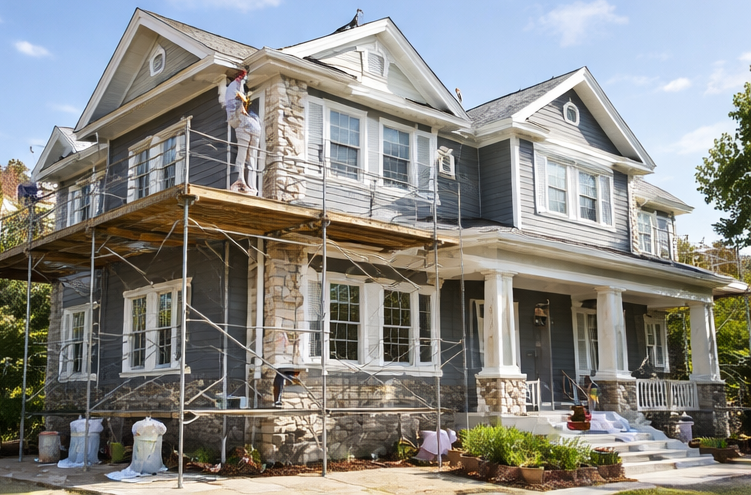
On average, the cost to repaint the exterior of a house in the US falls between $3,500 and $10,500. Smaller homes or basic repainting jobs may land closer to the lower end, while larger or more complex properties can easily exceed $12,000.
A standard single-story home of about 1,500 square feet typically costs around $4,000 to $7,000, while a two-story home closer to 2,500 square feet may range from $6,500 to $10,000 or more.
Trim painting is often included in these estimates, but not always. If priced separately, trim repainting can add $1,000 to $3,000, depending on how detailed or extensive the trim work is.
These numbers assume standard conditions—minimal repairs, average accessibility, and common siding materials like wood or vinyl. Costs rise quickly when those assumptions change.
Cost Per Square Foot
Most contractors calculate exterior repainting using a per-square-foot model. On average, homeowners can expect to pay:
$1.50 to $4.50 per square foot for exterior repainting
$2.50 to $6.00 per square foot when extensive prep or trim detail is involved
The variation depends largely on preparation requirements. A house that needs scraping, sanding, priming, and caulking will fall on the higher end of the spectrum.
It’s also important to note that “square footage” often refers to paintable surface area, not the home’s interior living space. This distinction can lead to confusion when comparing estimates.
Homes with more exterior wall surface relative to their footprint—such as those with multiple stories or complex designs—will naturally cost more to repaint.
Factors That Affect the Cost
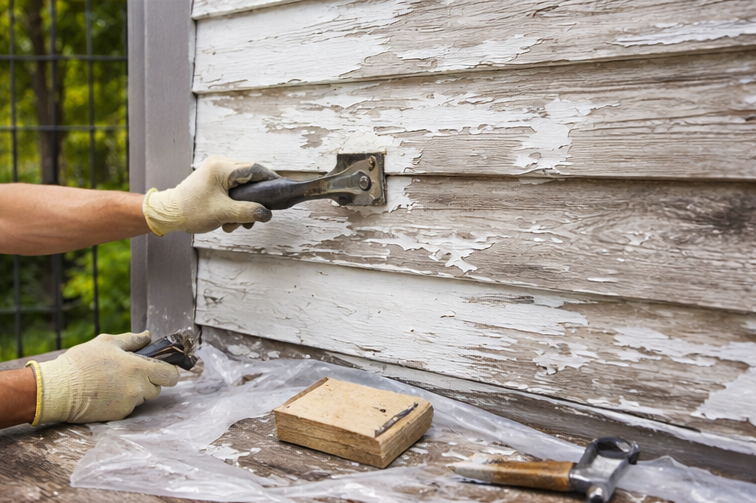
Several key factors influence the final house repainting cost, and most projects involve a combination of these variables.
Condition of Existing Paint
If the existing paint is in good condition, repainting may only require light cleaning and minimal prep. However, peeling, cracking, or blistering paint requires more labor-intensive work like scraping and sanding.
Homes with lead-based paint (common in properties built before 1978) also require specialized handling, which increases both labor time and compliance costs.
Type of Siding Material
Different materials require different preparation techniques and types of paint:
Wood siding: Typically higher maintenance and more prep-intensive
Vinyl siding: Easier to repaint but may need specific paint formulations
Stucco or brick: Requires specialized coatings and sometimes sealing
If siding is severely damaged, repainting alone may not be enough. In such cases, comparing repainting with larger upgrades like siding replacement considerations and costs can provide better long-term value.
Paint Quality and Coatings
Paint quality has a direct impact on cost. Premium exterior paints can cost $50 to $100 per gallon, while standard options may be closer to $25–$40.
Higher-end paints tend to last longer, resist weather damage better, and require fewer coats. While they increase upfront cost, they can reduce repainting frequency over time.
Number of Stories and Accessibility
Multi-story homes are more expensive to repaint due to increased labor complexity and safety requirements. Ladders, scaffolding, or lifts may be needed, all of which add time and cost.
Difficult access areas—such as steep roofs, tight spaces, or landscaping obstacles—also contribute to higher labor charges.
Labor Cost Considerations
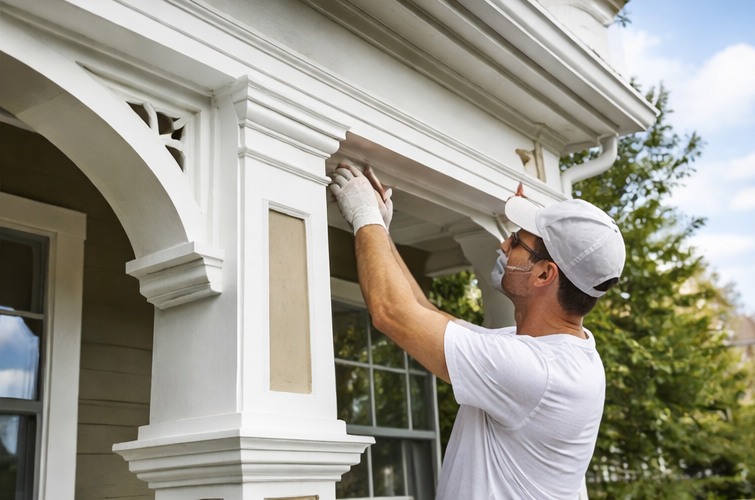
Labor typically accounts for 60% to 75% of the total repainting cost. This is because exterior painting is highly labor-intensive, especially when proper preparation is involved.
Professional painters charge anywhere from $25 to $75 per hour, depending on location and experience. However, most contractors provide project-based pricing rather than hourly rates.
Labor costs include:
Surface cleaning (pressure washing)
Scraping and sanding
Caulking and sealing gaps
Priming surfaces
Applying multiple coats of paint
Detailing trim, edges, and corners
Trim work, in particular, requires precision and often increases labor time significantly. Homes with extensive decorative trim, shutters, or window frames will see higher labor costs compared to simpler designs.
For homeowners comparing different exterior projects, reviewing a broader breakdown like how exterior painting costs are structured across materials and labor can help clarify where labor fits into the overall budget.
Repair vs Repainting Cost Comparison
One of the most common decisions homeowners face is whether repainting is sufficient—or if underlying repairs are needed first.
When Repainting Is Enough
Repainting alone is usually sufficient when:
Paint is faded but structurally intact
Minor cracks or chips are present
Siding is in good condition
In these cases, repainting serves both aesthetic and protective purposes without major additional costs.
When Repairs Are Necessary
Repainting costs increase significantly when underlying issues must be addressed first. Common examples include:
Rotting wood siding
Cracked stucco
Warped or damaged trim
Mold or mildew growth
Repair costs can add anywhere from $500 to $5,000+, depending on severity. Ignoring these issues before repainting often leads to premature paint failure, meaning the project may need to be redone sooner than expected.
In some cases, repainting becomes a temporary fix rather than a long-term solution.
Situations That Increase the Project Cost
Certain conditions can push repainting costs well above average ranges. These are often overlooked during initial budgeting.
Extensive Prep Work
Homes that haven’t been repainted in many years typically require:
Full paint removal in some areas
Deep cleaning
Multiple primer coats
Prep work alone can account for 30% or more of the total project cost.
Complex Architectural Details
Decorative elements such as:
Crown molding on exteriors
Intricate trim patterns
Multiple color schemes
These features require more time and precision, increasing both labor hours and total cost.
Regional Price Differences
Labor rates and material costs vary by region. Urban areas and high-cost-of-living states tend to have higher repainting costs compared to rural regions.
Weather conditions also play a role. Areas with high humidity, extreme heat, or frequent storms may require more durable (and expensive) paint products.
Permit and Compliance Requirements
While repainting typically doesn’t require permits, certain neighborhoods—especially those governed by homeowners associations—may have rules regarding color choices or project approvals.
Additionally, homes with lead paint must comply with federal safety regulations, which can increase costs.
When Repainting Becomes Necessary
Exterior repainting isn’t just about appearance—it’s also about protecting the home from environmental damage.
Most homes in the US need repainting every 5 to 10 years, depending on:
Climate exposure
Paint quality used previously
Siding material
Maintenance habits
Signs that repainting is necessary include:
Fading or discoloration
Peeling or cracking paint
Visible wood or substrate exposure
Mold, mildew, or stains
Delaying repainting can lead to more expensive problems, such as water damage or structural deterioration.
For homeowners planning broader maintenance or upgrades, it’s often helpful to review a comprehensive overview like typical home repair and replacement cost categories to understand how repainting fits into overall property upkeep.
Exterior repainting is one of those projects where the visible result is straightforward, but the cost structure behind it is anything but simple. From preparation and materials to labor and structural condition, each element plays a role in determining the final price.
Understanding these variables allows homeowners to approach repainting with realistic expectations—and avoid the common pitfalls that lead to unexpected expenses.