buildcostguide.site – Owning a home in the United States inevitably means facing home repair and replacement costs at some point, often at moments when timing and budgeting matter most. Many homeowners discover that the real challenge is not simply paying for repairs, but understanding what drives costs, how to prioritize projects, and how to avoid expensive surprises. A clear understanding of how major repair expenses develop can make the difference between manageable maintenance and financially disruptive emergencies.
This guide examines the structure behind home repair and replacement costs across typical American homes. Rather than focusing on isolated repairs, the goal is to provide a practical framework that helps homeowners evaluate projects realistically. Some repairs are predictable and gradual, while others arise suddenly due to system failures or structural problems. Knowing where each category fits helps homeowners plan intelligently and reduce long-term risk.
Home repair decisions often involve trade-offs. Choosing to repair instead of replace may lower short-term expenses but increase long-term costs. Postponing maintenance can conserve cash flow temporarily but may lead to more serious damage. In many cases, homeowners must balance immediate affordability against future reliability.
Understanding home repair and replacement costs requires looking at a home as an integrated system. Structural components, mechanical systems, and protective elements all interact over time. When one component deteriorates, related systems may also be affected. For this reason, evaluating costs in isolation rarely provides an accurate picture.
This article introduces the major categories of home repair expenses, the factors that influence pricing across the United States, and the underlying structure of repair decisions. Later sections will explore additional categories and long-term planning considerations in greater depth.
Understanding the Scope of Home Repair and Replacement Costs
Home repair and replacement costs include a wide range of expenses associated with maintaining a safe and functional residence. These costs extend beyond obvious repairs such as fixing a damaged roof or replacing a broken appliance. They also include system upgrades, preventative maintenance, and structural improvements required to keep a property in good condition.
In practical terms, these expenses fall into three broad categories. The first involves routine maintenance tasks that extend the life of major systems. The second includes repairs that restore a system to working condition after partial failure. The third involves full replacement when components reach the end of their useful life.
In the United States housing market, replacement projects often represent the largest financial commitments. Major systems such as roofing, plumbing, heating, and electrical infrastructure eventually require full replacement rather than incremental repairs. These projects typically require careful planning and contractor coordination.
Regional factors strongly influence how home repair and replacement costs develop. Homes in northern climates often face higher maintenance demands due to freeze-thaw cycles and snow loads. Properties in coastal regions may experience accelerated deterioration from humidity and salt exposure. In dry regions, soil movement can create structural stresses that increase repair frequency.
Home age is another important factor. Properties built decades ago may require extensive upgrades to meet modern safety standards. Electrical systems, plumbing materials, and insulation levels in older homes often differ significantly from current construction practices.
The financial impact of repairs depends not only on the size of the project but also on timing. Planned replacements generally cost less than emergency repairs. When systems fail unexpectedly, homeowners may have limited time to compare contractors or explore alternatives.
For many homeowners, understanding the full scope of repair costs is the first step toward making informed decisions.
How Major Home Systems Drive Long-Term Expenses
Most home repair and replacement costs come from a small number of major systems. These systems operate continuously and gradually deteriorate over time, making them the primary drivers of long-term maintenance expenses.
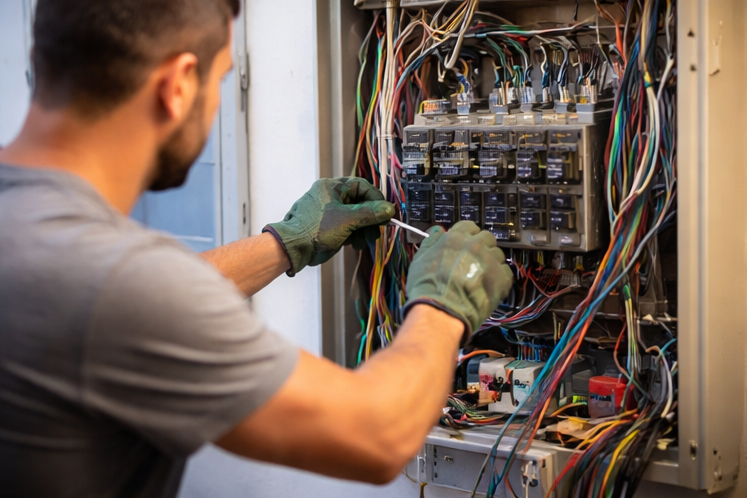
Electrical infrastructure is one of the most critical systems in a modern home. As households add appliances, electric vehicles, and smart technologies, electrical demand often increases beyond the capacity of older systems. Many homeowners begin their research by reviewing typical electrical panel upgrade cost estimates to understand what is involved in modernizing power distribution.
Electrical upgrades often occur in conjunction with other projects. Renovations, appliance replacements, and renewable energy installations frequently require additional electrical capacity. As a result, electrical improvements often form part of broader repair planning.
Roofing systems represent another major cost category. Roofs protect the entire structure from moisture and environmental damage, and their condition directly affects long-term repair costs. When roofing materials deteriorate, water intrusion can damage insulation, framing, and interior finishes.
Homeowners frequently compare different approaches before committing to major work. Reviewing typical roof replacement cost breakdowns helps establish realistic expectations and highlights the variables that influence contractor estimates.
Mechanical systems such as heating and cooling equipment also play a major role in repair budgets. These systems operate year-round and contain components subject to wear and mechanical stress. Over time, efficiency declines and repair frequency increases.
When systems begin to fail, homeowners often examine common HVAC repair cost estimates to evaluate whether continued repairs remain cost-effective compared with replacement.
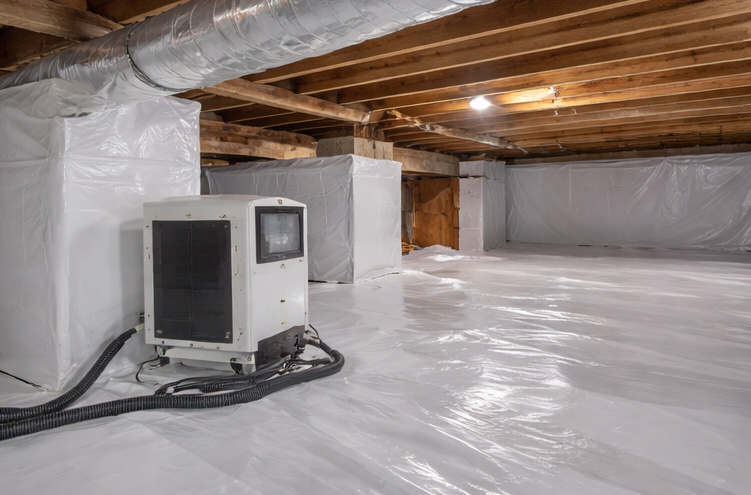
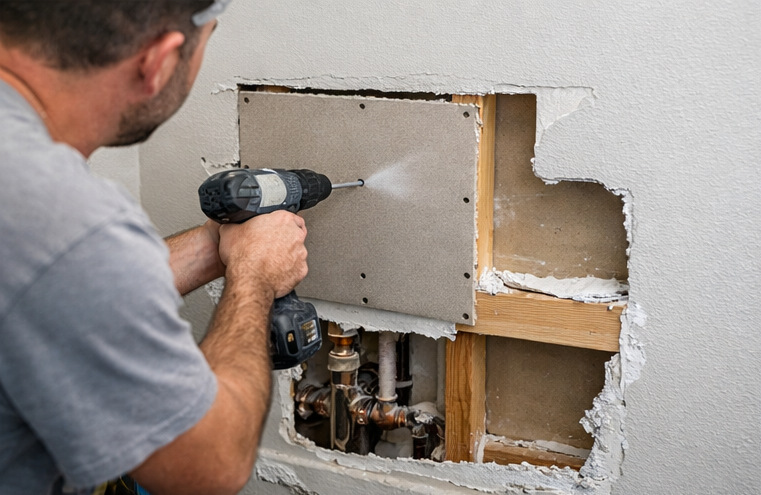
Plumbing systems also represent a significant long-term expense. Hidden pipes can deteriorate gradually without visible warning signs. Corrosion, mineral buildup, and aging materials may eventually require extensive replacement.
In many older homes, homeowners eventually investigate broader plumbing repair cost considerations to understand the scale of plumbing modernization projects and how they affect overall budgets.
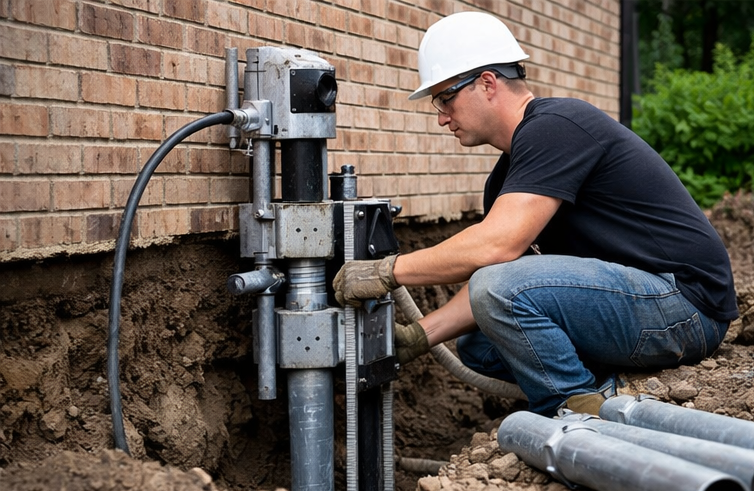
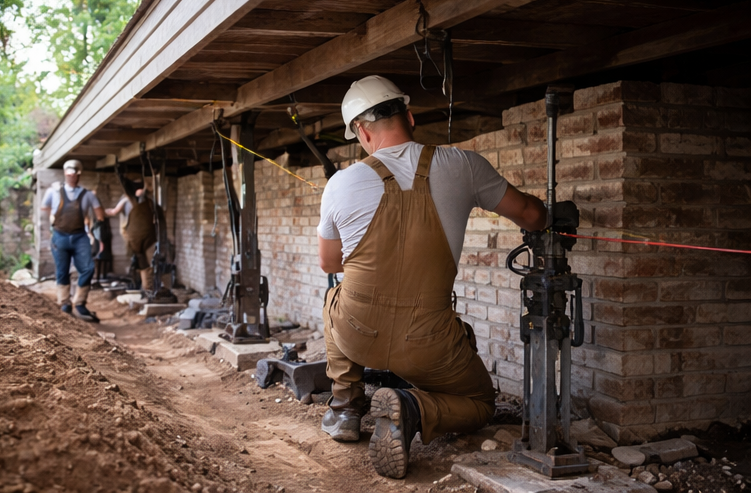
Structural components represent the most serious repair category. Foundation problems can affect the entire building and often require specialized engineering solutions. These repairs tend to be complex and may involve excavation, stabilization, or reinforcement.
Because structural problems carry long-term consequences, Homeowners often research typical foundation repair cost estimates to understand potential financial exposure before visible damage becomes severe.
Together, these major systems account for the majority of long-term repair expenses in typical American homes.
Cost Factors That Influence Repair Pricing
Home repair and replacement costs vary widely across the United States due to a combination of economic and physical factors. Understanding these variables helps homeowners interpret estimates more accurately and plan realistic budgets.
Labor costs represent one of the largest influences on pricing. Skilled trades such as electricians, plumbers, and structural specialists command different rates depending on regional demand. Metropolitan areas typically have higher labor costs than smaller cities and rural regions.
Material prices also fluctuate over time. Construction materials are affected by supply chains, transportation costs, and market demand. These fluctuations can change project costs significantly from year to year.
Accessibility plays a practical role in determining costs. Repairs that require difficult access, specialized equipment, or extensive preparation generally cost more. Roof work on steep structures or plumbing work behind finished walls may require additional labor.
Permit requirements and local regulations can also affect overall expenses. Many replacement projects require inspections and approvals that add both time and administrative costs.
The condition of surrounding components is another important consideration. Replacing a single system may reveal additional problems that require attention. For example, replacing a roof may expose deteriorated sheathing, while plumbing repairs may uncover structural damage from long-term leaks.
Homeowners who understand these cost drivers are better equipped to interpret contractor proposals and compare options effectively.
Repair Versus Replacement Decisions
One of the most important decisions homeowners face involves choosing between repairing an existing system and replacing it entirely. This decision affects both short-term spending and long-term reliability.
Repairs often appear less expensive initially. Replacing individual components can extend system life without requiring a large upfront investment. For homeowners managing limited budgets, repairs may provide a practical solution.
However, repeated repairs can accumulate over time. Aging systems often require increasingly frequent service, and repair costs may eventually approach replacement costs without delivering equivalent reliability.
Replacement projects typically involve higher upfront expenses but may reduce long-term uncertainty. New systems often operate more efficiently and require fewer repairs during their early years.
Timing plays an important role in this decision. Planned replacements allow homeowners to compare contractors and schedule work conveniently. Emergency replacements often occur under time pressure, limiting opportunities for cost control.
Evaluating repair versus replacement requires balancing financial constraints against long-term goals. This balance varies depending on home age, expected ownership duration, and overall maintenance strategy.
Planning for Predictable and Unexpected Repairs
Homeowners who approach home repair and replacement costs strategically often divide expenses into predictable and unpredictable categories.
Predictable repairs include projects with known life spans. Roofs, water heaters, heating systems, and exterior finishes typically have expected replacement intervals. Planning for these projects reduces the risk of financial disruption.
Unexpected repairs involve sudden failures or hidden problems. Storm damage, plumbing leaks, and structural issues may occur without warning. Emergency repairs often cost more due to urgent scheduling and limited preparation time.
Financial planning helps reduce the impact of unexpected repairs. Many homeowners maintain dedicated savings accounts for maintenance expenses. Others incorporate repair planning into long-term household budgets.
Insurance coverage may offset some costs, particularly for sudden damage caused by external events. However, most routine deterioration is considered normal maintenance and remains the homeowner’s responsibility.
Balancing predictable and unpredictable expenses is a central part of managing home repair and replacement costs effectively.
Understanding how major systems age and interact provides a foundation for evaluating repair priorities, and the next section examines additional categories and longer-term considerations that influence maintenance decisions across American homes.
Regional Cost Differences Across the United States
While national averages provide a useful reference point, home repair and replacement costs vary significantly depending on geographic location. Regional differences affect labor pricing, material availability, permit requirements, and even the types of repairs that are most common.
In coastal metropolitan areas such as New York City, Boston, and San Francisco, labor rates often represent the largest portion of total project costs. Skilled contractors in high-cost urban markets typically charge substantially more per hour than those in smaller cities or rural areas. Higher insurance premiums, stricter building codes, and limited scheduling availability also contribute to elevated project pricing.
In contrast, many parts of the Midwest and South tend to offer lower labor rates and more competitive contractor markets. Projects in these regions often cost noticeably less even when identical materials are used.
Climate also plays an important role. Homes in northern states frequently face higher long-term expenses related to freeze–thaw cycles, heavy snow loads, and seasonal moisture. These environmental factors accelerate wear on structural components and exterior systems.
Southern states present a different set of challenges. Heat, humidity, and storm exposure increase maintenance demands for roofing, HVAC systems, and exterior finishes, often leading to higher storm damage repair cost expectations in high-risk regions. These conditions can shorten replacement cycles and influence long-term budgeting.
Western states introduce additional considerations. Drought conditions may affect foundation stability in certain regions, while wildfire-prone areas often require specialized materials that increase overall project costs.
Local permitting requirements also influence pricing. Municipalities with complex inspection procedures typically add both time and expense to projects. Permit fees themselves can vary from modest administrative charges to substantial regulatory costs.
Because of these regional differences, homeowners should treat national averages as broad reference points rather than precise estimates.
How Property Type Influences Repair Expenses
Property type is another major factor shaping long-term repair planning. Different housing structures require different materials, maintenance approaches, and contractor expertise.
Single-family homes generally offer the most flexibility for repairs and upgrades. Owners have full control over scheduling and contractor selection, which can help manage costs more effectively. However, all maintenance responsibilities fall on the homeowner.
Townhouses often share structural components such as roofing systems or exterior walls, and understanding long-term roofing replacement considerations helps clarify how shared responsibilities may affect long-term budgeting. Homeowners’ associations may manage some repairs while leaving others to individual owners. This division of responsibility can complicate budgeting and planning.
Condominiums typically involve fewer individual repair obligations, but association fees often include long-term maintenance reserves. These reserves fund major building repairs that might otherwise appear as large one-time expenses.
Multi-unit properties introduce additional complexity. Rental properties, duplexes, and small apartment buildings often require more durable materials due to higher occupancy levels. Increased wear and tear tends to raise ongoing maintenance costs.
Older multifamily buildings may require specialized contractors familiar with outdated construction methods. This requirement can increase labor costs and extend project timelines.
Detached homes in suburban settings often involve larger exterior surfaces, longer utility runs, and more extensive landscaping. These characteristics increase exposure to environmental wear and severe weather events, which may significantly affect long-term storm damage repair cost expectations.
Urban properties present different challenges. Limited site access can complicate material delivery and equipment use, increasing project costs even when repair scopes remain similar.
The Role of Home Age and Construction Era
The age of a property strongly influences expected repair patterns and long-term replacement cycles. Different construction eras used different materials and building practices, each with distinct maintenance implications.
Homes built within the past 10 to 15 years typically require fewer major replacements. Modern building codes and improved materials often extend system lifespans. Repairs in newer homes are more likely to involve isolated component failures rather than full system replacements.
However, newer construction sometimes uses lightweight materials designed for efficiency rather than durability. While these materials reduce initial construction costs, they may require more frequent replacement over time.
Homes built between the 1970s and early 2000s often fall into a transitional category. Many of these properties begin requiring significant system replacements after 20 to 30 years of use. Roofing systems often approach the end of their service lives during this period, prompting homeowners to review typical roof replacement cost expectations before visible deterioration becomes severe.
Older homes present a different set of cost considerations. Houses built before 1960 frequently contain outdated wiring, aging plumbing systems, and structural components that require specialized repairs.
Historic homes may require custom materials and preservation techniques. These requirements can increase project costs substantially compared to modern renovations.
Older construction may also reveal hidden problems once repair work begins. Structural deterioration, outdated insulation, or moisture damage often becomes visible only after demolition starts.
Because of these uncertainties, contingency budgets are particularly important when planning repairs in older homes.
Budgeting for Long-Term Replacement Cycles
One of the most practical ways to understand home repair and replacement costs is through long-term replacement planning. Major systems rarely fail at the same time, but over decades, predictable replacement cycles emerge. Exterior materials such as siding also deteriorate over time, and comparing siding replacement cost estimates allows homeowners to incorporate façade updates into long-term capital planning.
Most homes follow a pattern in which several major systems require replacement within overlapping time frames. Roofing systems often last between 20 and 30 years. HVAC equipment typically falls within a similar range. Windows also follow predictable lifespan patterns depending on material and climate exposure, and reviewing window replacement cost expectations can help homeowners prepare for future exterior upgrades. Water heaters and appliances often require replacement more frequently, which is why reviewing current water heater replacement cost averages can improve long-term planning accuracy.
Homeowners who plan for these cycles can avoid sudden financial pressure. Setting aside funds gradually allows large projects to be handled without emergency borrowing.
Long-term planning also makes it easier to prioritize improvements. Projects that affect safety or structural integrity typically deserve attention before cosmetic upgrades.
Replacement timing can sometimes be adjusted strategically. For example, replacing aging systems before failure may allow homeowners to schedule work during slower contractor seasons when pricing is more competitive.
Energy efficiency improvements sometimes align naturally with replacement cycles. When systems must be replaced anyway, upgrading to more efficient models may provide long-term operating savings.
Long-term budgeting also benefits from realistic expectations about maintenance costs between major replacements. Smaller repairs often prevent larger failures and extend system lifespans.
These considerations transform repair planning from a reactive process into a structured financial strategy.
Understanding Cost Variability Within Individual Projects

Even well-defined projects can produce a wide range of estimates. Two contractors may propose substantially different prices for similar work, and both estimates may be reasonable.
Labor assumptions often account for a significant portion of these differences. Some contractors include larger crews to shorten project timelines, while others focus on minimizing hourly costs.
Material selections also influence total expenses. Higher-quality materials often cost more initially but may last longer and reduce maintenance needs.
Project scope definitions frequently vary between estimates. One contractor may include additional preparation work or upgraded components that another contractor excludes.
Site conditions also play a major role. Limited access, steep terrain, or confined interior spaces increase labor requirements and equipment needs.
Hidden conditions create additional uncertainty. Contractors must anticipate potential complications such as moisture damage, structural weaknesses, or outdated wiring, which can significantly affect overall home structural repair cost scenarios depending on severity. Some estimates include allowances for these risks, while others do not.
Timing can also influence pricing. High-demand seasons often lead to higher contractor rates and longer scheduling delays.
Because of these variables, homeowners often benefit from comparing multiple estimates and carefully reviewing scope details.
Understanding these differences helps explain why published averages rarely match final project costs exactly.
Planning Repairs Around Market Conditions
Construction market conditions influence repair costs in ways that are not always immediately visible. Material prices, labor availability, and economic cycles all shape the cost environment.
During periods of high construction activity, contractor availability may become limited. Longer wait times and higher bids often follow.
Material pricing can fluctuate significantly. Lumber, metals, and petroleum-based products sometimes experience sharp price changes due to supply disruptions or economic shifts.
Interest rates indirectly affect home repair and replacement costs as well. Higher borrowing costs can reduce renovation demand, which may stabilize pricing. Lower rates often stimulate increased construction activity.
Insurance-driven repairs also influence market conditions.After major storms or regional disasters, contractor demand can rise quickly, increasing prices across affected areas and raising overall storm damage repair cost expectations.
Supply chain disruptions sometimes create delays even when contractors are available. Specialized materials or equipment may require extended delivery times.
These broader economic forces do not eliminate the need for repairs, but they can influence project timing and budgeting strategies.
Homeowners who monitor market conditions may find opportunities to schedule projects during more favorable pricing periods.