buildcostguide.site – A detailed guide to chimney repair cost in the US, including brickwork, flashing repairs, and structural fixes that affect pricing and long-term home maintenance.
A chimney often receives little attention until visible problems appear. Cracked mortar, loose bricks, water leaks, or smoke issues can develop slowly over years before homeowners realize repairs are necessary. Once damage becomes visible, one of the first questions is usually about the expected chimney repair cost.
In the United States, repair prices vary widely depending on the type of damage, the chimney’s height and construction, and how accessible the structure is from the roof. Minor maintenance may cost a few hundred dollars, while structural repairs or partial rebuilds can reach several thousand.
Understanding where those costs come from—and what type of repair is actually required—helps homeowners make informed decisions before small issues turn into larger structural problems.
What Typically Influences Chimney Repair Cost
Chimneys are exposed to constant weather stress. Rain, freeze–thaw cycles, wind, and heat from fireplaces all contribute to gradual deterioration. Because of this, repair pricing depends less on a single standard fee and more on the condition of the structure.
Several factors usually determine the final cost.
Extent of damage is the most significant variable. Surface mortar deterioration is relatively inexpensive to repair, while leaning chimneys or cracked flue liners require far more extensive work.
Height and accessibility also matter. Chimneys that extend well above the roofline often require scaffolding or additional safety equipment. Multi-story homes can therefore increase labor costs significantly.
Roof design plays a role as well. Steep or complex roof structures make chimney access more difficult, and contractors often account for this in their estimates. In many cases, chimney repairs are evaluated alongside other structural elements, especially roofing systems. For homeowners already planning major exterior work, it can be useful to understand how those costs relate to broader maintenance expenses such as the overall home repair and replacement cost considerations homeowners face over time.
Finally, the type of chimney construction—brick, stone, or prefabricated metal—affects both materials and labor requirements.
Brick and Mortar Repairs: The Most Common Chimney Work
For masonry chimneys, deterioration of mortar joints is one of the most common issues. Mortar gradually erodes due to weather exposure, allowing moisture to penetrate between bricks.
When this happens, contractors typically recommend tuckpointing, a process that removes damaged mortar and replaces it with fresh material. This restores structural stability and prevents further water infiltration.
Typical tuckpointing costs in the US often fall between $500 and $2,500, depending on chimney height and the amount of joint deterioration. The work itself is labor-intensive but does not usually require structural reconstruction.
Another common repair involves replacing damaged bricks. Individual bricks may crack or crumble over time, particularly in regions with harsh winters. Contractors remove the deteriorated units and install new masonry to match the existing structure.
Although replacing a few bricks may only cost a few hundred dollars, larger sections of damaged masonry can raise repair costs to $1,000–$3,000 or more.
In more severe cases, the top portion of the chimney—often called the chimney crown or upper stack—may need partial rebuilding. Because this requires demolition and reconstruction of brickwork, costs can rise significantly.
Chimney Flashing Repairs and Water Intrusion
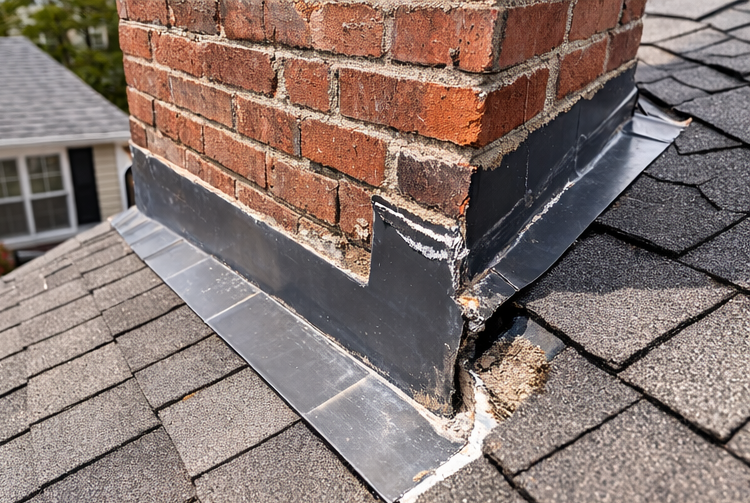
Another major contributor to chimney repair cost involves the flashing system where the chimney meets the roof.
Flashing consists of layered metal pieces that create a waterproof seal between the masonry and roofing materials. Over time, flashing can loosen, corrode, or separate from the chimney surface.
When flashing fails, water often leaks into the attic or roof structure. Homeowners may first notice stains on ceilings or moisture around the fireplace.
Repairing flashing typically costs between $300 and $1,500, depending on the roof structure and how much material must be replaced. In many cases, the work involves resealing the existing metal components. More extensive damage may require full flashing replacement.
Because chimney flashing is integrated with roofing materials, these repairs often occur during roof maintenance or replacement projects. Contractors frequently inspect the area during major roof work since flashing problems can contribute to leaks that are sometimes mistaken for roofing failure. For homeowners evaluating both issues simultaneously, comparing chimney repair needs with broader roofing expenses—such as the typical pricing factors that influence roof replacement cost across the US—can help clarify which repairs should be prioritized.
Ignoring flashing issues rarely resolves the problem. Water infiltration can quickly damage roof decking, insulation, and interior ceilings.
Structural Chimney Damage and Partial Rebuilds
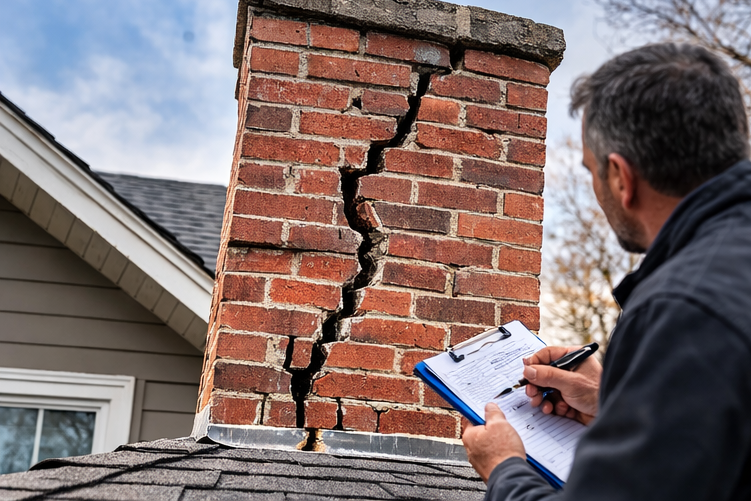
More serious problems occur when the chimney structure itself begins to shift or deteriorate.
Structural damage may appear as:
large vertical cracks in the masonry
leaning chimney stacks
separated bricks near the base
failing foundations beneath the chimney
These issues usually develop slowly but require significant repairs once discovered.
A partial chimney rebuild often costs between $3,000 and $7,000, depending on how much of the structure must be reconstructed. The contractor may dismantle the upper section of the chimney and rebuild it using new masonry materials.
In severe cases, the entire chimney may require reconstruction from the roofline up. This type of repair is far more expensive because it involves demolition, rebuilding, and potentially reinforcing the underlying structure.
Sometimes the root cause lies below the chimney itself. Settling foundations can shift the chimney structure and cause cracking in the masonry above. When that happens, the repair process may involve evaluating the stability of the home’s foundation as well. Situations like these highlight why broader structural assessments—similar to the severity-based analysis used to estimate foundation repair cost in residential homes—are sometimes necessary before chimney reconstruction begins.
Ignoring structural damage can eventually lead to chimney collapse or serious safety risks.
Chimney Crown and Cap Repairs
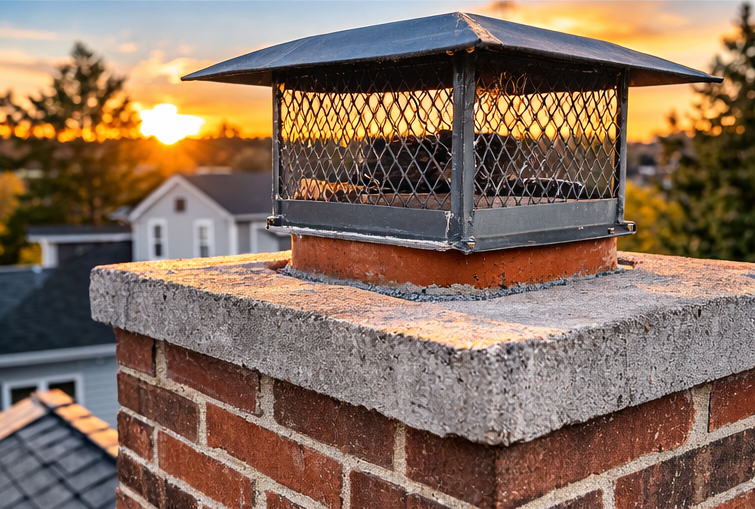
The chimney crown sits at the top of a masonry chimney and serves as a protective barrier against water intrusion. It is usually made from concrete or mortar and slopes slightly outward to direct rain away from the brickwork.
Over time, crowns may develop small cracks. When water penetrates these cracks and freezes during winter, the damage expands.
Repair options typically include:
Crown sealing – applying waterproof sealant to prevent moisture penetration.
Crown resurfacing – adding a thin layer of specialized cement to restore the surface.
Crown rebuilding – replacing the entire crown when cracks are severe.
Costs for these repairs generally range from $300 to $2,000, depending on the method used.
Chimney caps are another relatively small but important component. A metal cap sits above the flue opening and prevents rain, animals, and debris from entering the chimney.
Installing a new cap usually costs $150 to $500, including labor.
While these repairs may appear minor, they often prevent larger masonry problems later.
Hidden Factors That Can Increase Repair Costs
Some chimney issues are not visible from the ground. Contractors typically discover them during inspection or during the repair process itself.
One common example is flue liner damage. The flue liner protects the chimney interior from heat and combustion gases. If the liner cracks or deteriorates, repairs may require specialized materials such as stainless steel inserts.
Flue liner repairs or replacements can add $1,500 to $4,000 to a chimney repair project.
Another hidden cost involves water damage inside the chimney structure. Moisture that penetrates masonry may weaken internal components over time. When contractors remove damaged bricks, they sometimes uncover more extensive deterioration beneath the surface.
Regional climate also affects long-term chimney maintenance costs. Areas with frequent freeze–thaw cycles experience faster masonry deterioration than warmer climates.
Finally, older homes often require repairs that comply with modern building codes. This can include upgrading chimney liners or reinforcing structural components during reconstruction.
When Chimney Repairs Become More Urgent
Some chimney problems can wait until the next maintenance cycle, but others require prompt attention.
Signs that typically indicate urgent repairs include:
visible leaning or separation from the house
large cracks running vertically through the chimney
water leaking into the fireplace or attic
loose bricks falling from the structure
strong smoke odors inside the home
These symptoms suggest structural instability or significant water intrusion.
Professional inspections are often recommended once visible damage appears. Chimneys function as part of a home’s ventilation system, and serious deterioration can affect both safety and indoor air quality.
Minor repairs addressed early are generally far less expensive than large-scale reconstruction.
Over time, the true chimney repair cost often depends less on the individual repair type and more on how long deterioration has been allowed to progress. Regular inspections and maintenance help prevent small masonry issues from evolving into complex structural repairs that involve both roofing and foundation elements.