buildcostguide.site – Attic insulation cost in the US typically ranges from $1,500 to $7,500 depending on material type, attic size, and installation complexity.
Attic insulation cost is one of the most variable home improvement expenses, largely because it depends on the material you choose and the condition of your attic. In most U.S. homes, insulation upgrades fall somewhere between a modest retrofit and a full-scale efficiency project, with pricing influenced by labor, accessibility, and energy goals.
Two of the most common options—blown-in insulation and spray foam—sit at opposite ends of both performance and cost. Understanding how they compare financially, and what drives those differences, is key to setting a realistic budget.
Average Cost Range for Attic Insulation
In the United States, the average attic insulation cost typically falls between $1,500 and $7,500 for a standard single-family home. However, this range can expand depending on the insulation method:
Blown-in insulation: $1,500 to $3,500
Spray foam insulation: $3,500 to $7,500+
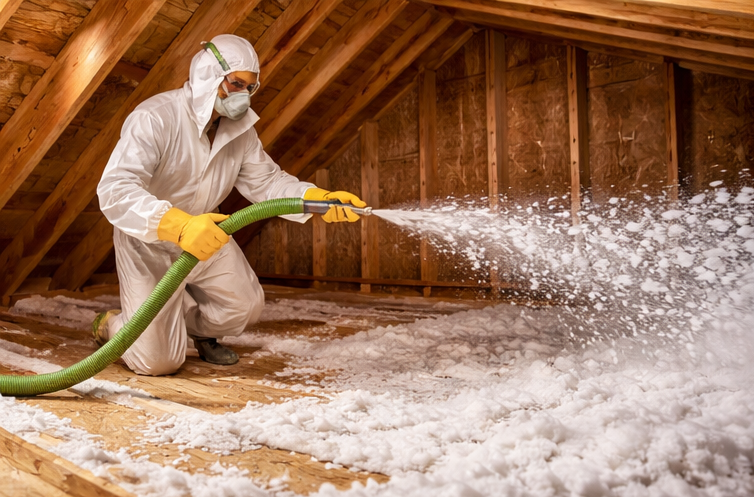
Blown-in insulation is generally the more affordable option because it uses less expensive materials and requires less labor-intensive installation. Spray foam, on the other hand, involves specialized equipment and trained installers, which significantly increases the upfront cost.
Homes with larger attics, irregular framing, or older insulation that needs removal may exceed these ranges. Conversely, small attics with easy access can fall below average pricing.
Cost Per Square Foot Comparison
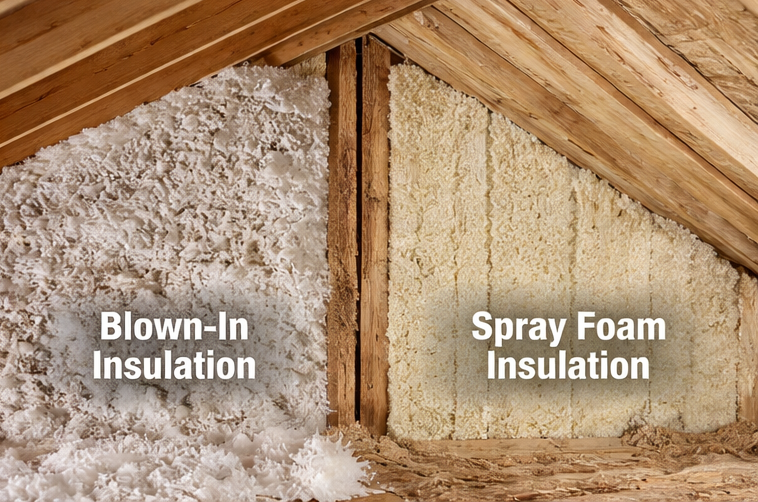
Looking at attic insulation cost per square foot provides a clearer comparison between materials.
Blown-In Insulation
$1.00 to $2.50 per square foot
This includes materials like cellulose or fiberglass, which are blown into place using a machine. It’s commonly used for topping off existing insulation or filling open attic floors.
Spray Foam Insulation
$3.00 to $7.50 per square foot
Spray foam comes in two types:
Open-cell (lower cost, lower R-value)
Closed-cell (higher cost, higher insulation performance)
Closed-cell spray foam sits at the higher end of the price spectrum but offers better air sealing and moisture resistance.
The cost difference becomes more noticeable in larger homes. For example, insulating a 1,500-square-foot attic could cost:
Blown-in: $1,500 to $3,750
Spray foam: $4,500 to $11,000
Factors That Affect the Cost
Several variables influence attic insulation cost beyond just the material choice.
Attic Size and Layout
Larger attics naturally require more material and labor. But layout also matters. Attics with tight corners, low clearance, or obstructions (like HVAC ductwork) take longer to insulate, especially with spray foam.
Existing Insulation Condition
If old insulation needs to be removed, expect an additional $1 to $2 per square foot. This is common in older homes where insulation may be contaminated, compressed, or ineffective.
R-Value Requirements
Different climates require different insulation levels. Colder regions in the northern U.S. typically need higher R-values, which means thicker or denser insulation—and higher costs.
Accessibility
Attics with limited access points or no flooring can increase labor time. Spray foam installations are particularly sensitive to accessibility because technicians need space for equipment and safe movement.
Regional Labor Rates
Labor costs vary widely across the U.S. Urban areas and regions with higher living costs tend to have higher installation rates. This can shift total project costs by 10–30%.
Blown-In vs Spray Foam: Cost vs Performance
While spray foam is significantly more expensive, the decision often comes down to performance rather than price alone.
Blown-In Insulation
Pros:
Lower upfront cost
Quick installation
Suitable for adding insulation to existing layers
Cons:
Does not seal air leaks
Can settle over time
Lower overall efficiency
Spray Foam Insulation
Pros:
Superior air sealing
Higher energy efficiency
Long-lasting performance
Cons:
Higher initial cost
More complex installation
Difficult to remove or modify later
In homes with significant air leakage, spray foam can reduce heating and cooling costs enough to offset part of the higher upfront investment over time.
In fact, insulation upgrades often work alongside other systems. For instance, improving attic insulation can reduce strain on HVAC systems, which ties into broader considerations outlined in this comprehensive home repair cost breakdown.
Labor Cost Considerations
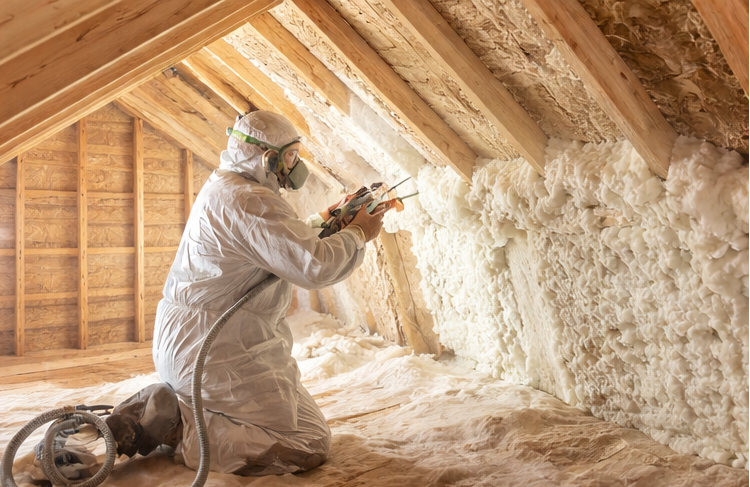
Labor is a significant portion of attic insulation cost, especially for spray foam installations.
Blown-In Installation Labor
Typically $40 to $70 per hour
Often completed in a single day
May be DIY-friendly in some cases
Because blown-in insulation is relatively straightforward, labor costs are lower and more predictable.
Spray Foam Installation Labor
Typically $75 to $150 per hour
Requires certified professionals
May take 1–3 days depending on attic size
Spray foam installation involves precise mixing, application, and curing processes. Improper installation can lead to performance issues, so labor quality is critical.
Additionally, safety measures—such as ventilation and protective equipment—add to the overall cost.
Situations That Increase the Project Cost
Certain conditions can push attic insulation cost well beyond typical ranges.
Mold or Moisture Issues
If mold is present, remediation must be completed before insulation is installed. This can add $500 to $3,000+ depending on severity.
Air Sealing and Repairs
Before adding insulation, contractors may recommend sealing gaps, cracks, and penetrations. While this improves efficiency, it adds to the total cost.
Structural Modifications
Older homes may require adjustments to attic framing or ventilation systems. These upgrades can significantly increase project complexity and cost.
HVAC System Interference
Attics often house ductwork and air handlers. If insulation work interferes with these systems, additional adjustments may be needed. This can overlap with costs typically associated with residential HVAC repair pricing, especially if ducts need sealing or repositioning.
High-Performance Upgrades
Homeowners aiming for energy-efficient certifications or net-zero performance may opt for thicker insulation layers or premium spray foam applications, which raise costs considerably.
When Attic Insulation Becomes Necessary
Not every attic needs immediate insulation replacement, but certain signs indicate it’s time to consider the expense.
Rising Energy Bills
If heating and cooling costs are increasing without a clear reason, poor attic insulation could be a contributing factor.
Uneven Indoor Temperatures
Rooms that are too hot in summer or too cold in winter often point to insulation deficiencies.
Aging or Compressed Insulation
Insulation materials degrade over time. Blown-in insulation can settle, reducing its effectiveness.
HVAC System Overuse
When insulation is insufficient, HVAC systems work harder to maintain indoor temperatures. This can accelerate wear and lead to higher long-term costs, similar to those seen in full air conditioning system replacement scenarios.
Home Renovations
Attic insulation is often upgraded during major home renovations or roof replacements, when access is easier and labor can be combined with other work.
Repair vs Replacement Cost Comparison
In some cases, homeowners don’t need full replacement—just insulation repair or enhancement.
Partial Insulation Upgrade
$800 to $2,500
Involves adding new insulation over existing material
This is common when insulation levels are simply below current standards.
Full Replacement
$2,500 to $7,500+
Includes removal, cleanup, and new installation
Full replacement is necessary when insulation is damaged, contaminated, or severely outdated.
Spray Foam Retrofitting
Often $4,000 to $10,000+
May involve removing existing insulation and sealing the entire attic envelope
This is typically done in energy-efficiency upgrades rather than basic repairs.
The decision between repair and replacement often depends on the condition of existing insulation and long-term energy goals. In many cases, spending more upfront on a comprehensive upgrade can reduce ongoing utility and maintenance costs.
Attic insulation cost ultimately reflects a balance between material choice, labor complexity, and performance expectations. Blown-in insulation offers a cost-effective solution for basic needs, while spray foam represents a higher investment with stronger long-term efficiency benefits.
For most homeowners, the right choice depends less on price alone and more on how the attic functions within the broader home system