buildcostguide.site – Replacing an air conditioning system is one of the more significant home expenses many U.S. homeowners face. When your current unit struggles to cool evenly, runs constantly, or needs frequent repairs, the question becomes practical and financial at the same time: what does AC replacement cost in the United States, and what factors actually drive that number
While national averages provide a starting point, the true cost of replacing an AC system depends heavily on two variables: the type of system you install and the size of your home. Understanding how those pieces fit together can help you approach contractor estimates with more clarity and confidence.
What Typically Falls Within AC Replacement Cost
In most residential projects, AC replacement cost includes more than just the outdoor condenser unit. A complete installation may involve:
A new outdoor condenser
An indoor evaporator coil
Refrigerant line adjustments or replacement
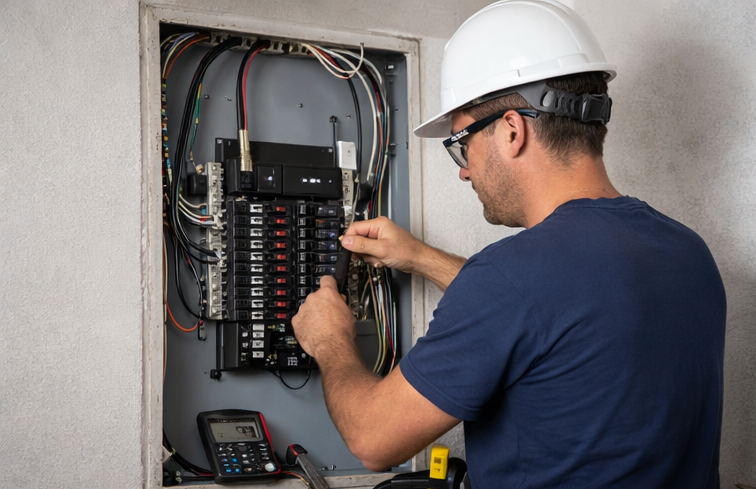
Electrical upgrades or new disconnects
Thermostat replacement
Labor and permitting
If the existing system is older, especially 10–15 years or more, contractors often recommend replacing both the condenser and the indoor coil at the same time. Mixing old and new components can reduce efficiency and shorten the system’s lifespan.
In the U.S. market, full AC system replacement for a typical single-family home often ranges from the mid four figures to well into five figures. However, those numbers shift based on system capacity (measured in tons), brand tier, regional labor rates, and whether ductwork modifications are needed.
Homeowners comparing repair versus replacement may benefit from reviewing broader residential cost benchmarks to better understand how HVAC expenses fit within the wider context of overall property maintenance and long-term upkeep planning.
How System Type Influences Total Cost
Not all air conditioning systems are structured the same way. The type you choose significantly affects both equipment pricing and installation complexity.
Central Air Conditioning Systems
Traditional split-system central air remains the most common option in U.S. homes. It pairs an outdoor condenser with an indoor coil connected to a forced-air furnace or air handler.
Costs here are largely driven by:
Cooling capacity (2-ton, 3-ton, 4-ton, etc.)
SEER2 efficiency rating
Brand and warranty structure
Accessibility of installation area
For an average 2,000-square-foot home, replacing a central AC system can vary widely depending on the size required and the region. Homes in hotter climates like Texas, Arizona, or Florida often require higher-capacity units, which naturally increases equipment costs.
Heat Pumps
In many regions, particularly in the Southeast and parts of the West Coast, homeowners are choosing heat pumps instead of traditional AC-only systems. A heat pump provides both cooling and heating, which can eliminate or reduce the need for a separate furnace.
Heat pump replacement costs are typically comparable to or slightly higher than standard AC systems, especially when upgrading to high-efficiency or cold-climate models. Federal incentives and local utility rebates may help offset part of the upfront cost, depending on eligibility and state regulations.
Ductless Mini-Split Systems
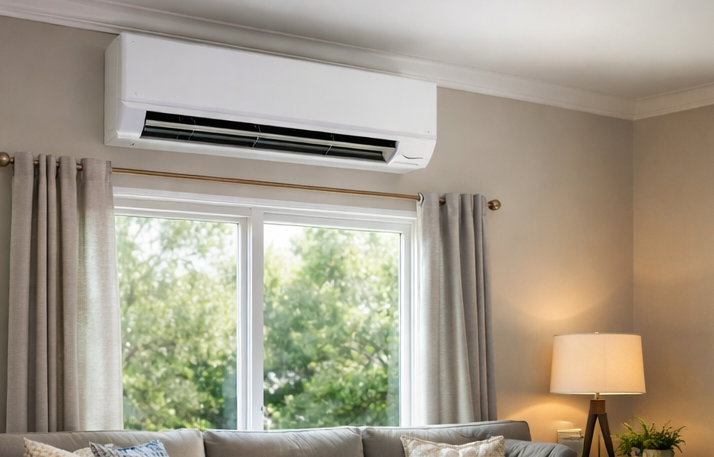
For homes without existing ductwork—or for additions and converted spaces—ductless mini-split systems are a practical alternative.
Instead of one large central unit, mini-splits use individual indoor air handlers connected to an outdoor compressor. Costs scale with the number of indoor zones installed. A single-zone system may cost less than a full central installation, but multi-zone configurations in larger homes can approach or exceed central system pricing.
Installation complexity, wall penetration requirements, and electrical capacity upgrades all affect the final estimate.
The Role of Home Size in AC Replacement Cost
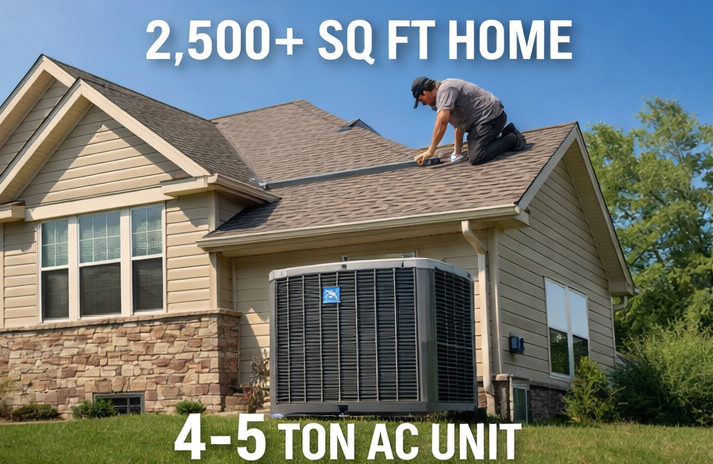
Home size directly influences system capacity, and capacity is one of the largest drivers of AC replacement cost.
Tonnage and Cooling Capacity
Air conditioners are sized in “tons,” with one ton equaling 12,000 BTUs of cooling per hour. Most residential homes require somewhere between 2 and 5 tons, depending on square footage, insulation, window exposure, and climate zone.
As a general reference:
1,000–1,200 sq. ft. homes may require 2 tons
1,500–2,000 sq. ft. homes often require 2.5–3.5 tons
2,500+ sq. ft. homes may need 4–5 tons
Larger capacity units cost more not only in equipment but also in refrigerant volume, electrical demand, and potential duct modifications.
Layout and Ceiling Height
Square footage alone does not tell the full story. Open floor plans, vaulted ceilings, and large south-facing windows increase cooling load. Homes with multiple levels may require zoning or separate systems to maintain consistent temperatures.
Contractors typically perform a Manual J load calculation to determine appropriate system size. Skipping this step and simply matching the old unit’s tonnage can lead to oversizing or undersizing, both of which affect long-term efficiency and comfort.
Insulation and Envelope Efficiency
The condition of your home’s insulation and air sealing can significantly affect system requirements. Poor attic insulation, leaky ductwork, or outdated windows may force a larger AC system to compensate.
In some cases, improving the building envelope can reduce the tonnage required. For homeowners evaluating efficiency upgrades alongside HVAC replacement, reviewing these expenses within a broader home repair and replacement cost overview can help clarify whether investing in insulation improvements first may reduce long-term cooling costs.
Regional Pricing Differences Across the United States
AC replacement cost varies by region due to several factors:
Labor rates and contractor demand
Climate-related capacity requirements
Local permitting fees
Building codes and inspection standards
For example, states with extended cooling seasons often see higher overall HVAC demand, which can influence installation scheduling and pricing. Urban areas typically have higher labor rates than rural regions.
Additionally, local energy codes may require minimum SEER2 ratings that affect equipment selection. As of recent federal standards, minimum efficiency requirements differ by region, meaning homeowners in southern states may be required to install higher-efficiency systems compared to northern states.
When Repair vs. Replacement Makes Financial Sense
Many homeowners face this decision after receiving a repair estimate. If your system requires a major component replacement—such as a compressor—the expense can approach a substantial portion of the cost of installing a completely new unit.
A common rule of thumb in the HVAC industry suggests considering replacement if:
The unit is over 10–12 years old
Repair costs exceed roughly 30–50% of the price of a new system
The system uses outdated refrigerant, such as R-22
Energy bills have steadily increased
Reviewing current average repair pricing in your area can help you weigh short-term fixes against the long-term value of replacement.
However, each situation is different. A well-maintained system with a minor issue may justify repair, while repeated breakdowns and rising operating costs often indicate that full replacement could be more practical over time.
Additional Factors That Influence Total Project Cost
Beyond system type and home size, several secondary factors affect AC replacement cost.
Ductwork Condition
If your existing ductwork is leaking, undersized, or contaminated, contractors may recommend repair or replacement. Duct modifications can add a few hundred to several thousand dollars to the overall project.
Homes built decades ago may not have duct systems designed for modern high-efficiency equipment, which can require resizing or redesign.
Electrical Upgrades
Older homes sometimes lack sufficient electrical capacity for new HVAC equipment. Upgrading a breaker panel or installing new circuits increases total project cost.
Accessibility
Installation difficulty plays a role. Systems located in tight attic spaces, crawlspaces, or multi-story homes often require more labor hours, which affects pricing.
Smart Thermostats and Controls
Upgrading to a programmable or smart thermostat adds incremental cost but may improve energy management. While not required, many homeowners choose to update controls during system replacement.
Energy Efficiency and Long-Term Operating Costs
Higher efficiency systems typically cost more upfront. However, they may reduce monthly energy bills, especially in warmer climates with extended cooling seasons.
SEER2 ratings measure cooling efficiency under standardized conditions. The higher the rating, the less electricity the system uses for the same cooling output. That said, payback periods vary depending on local utility rates and household usage patterns.
Homeowners should evaluate:
Upfront price difference between standard and high-efficiency models
Estimated annual energy savings
Available rebates or tax incentives
Expected time remaining in the home
For some households, moderate efficiency upgrades provide a balanced approach between cost and performance. For others, especially in high-usage climates, premium efficiency may deliver measurable long-term value.
What to Consider Before Signing a Contract
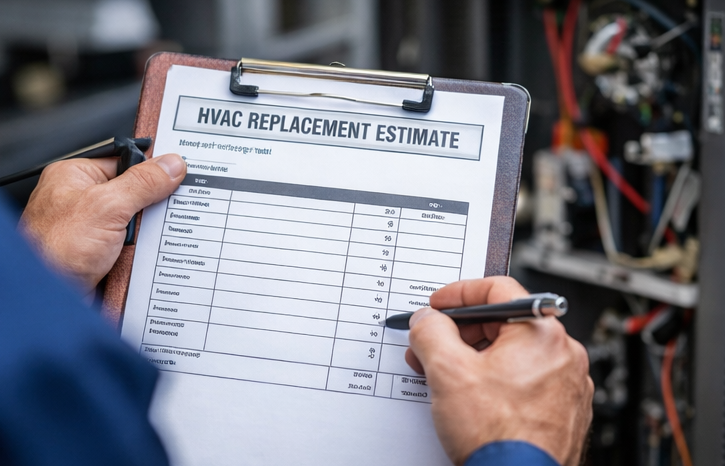
Replacing an AC system is not just about selecting a unit. It involves contractor selection, warranty review, and understanding the scope of work.
Before committing, consider:
Is a Manual J load calculation included
Are both the condenser and indoor coil being replaced
What warranties apply to parts and labor
Are permits and inspections included in the estimate
Is ductwork evaluation part of the proposal
Obtaining multiple written estimates can provide perspective on pricing consistency in your local market. Significant pricing differences may reflect variations in equipment tier, warranty coverage, or installation scope.
Financing options are also common in the HVAC industry. Many contractors partner with financing providers, allowing homeowners to spread costs over time. Terms vary, so reviewing interest rates and repayment structures is important before proceeding.
AC replacement cost in the United States is shaped primarily by system type and home size, but no two installations are exactly alike. Capacity requirements, regional labor markets, insulation quality, and duct condition all contribute to the final number. By understanding how these factors interact, homeowners can approach estimates with greater clarity and make decisions that align with both immediate needs and long-term household planning.